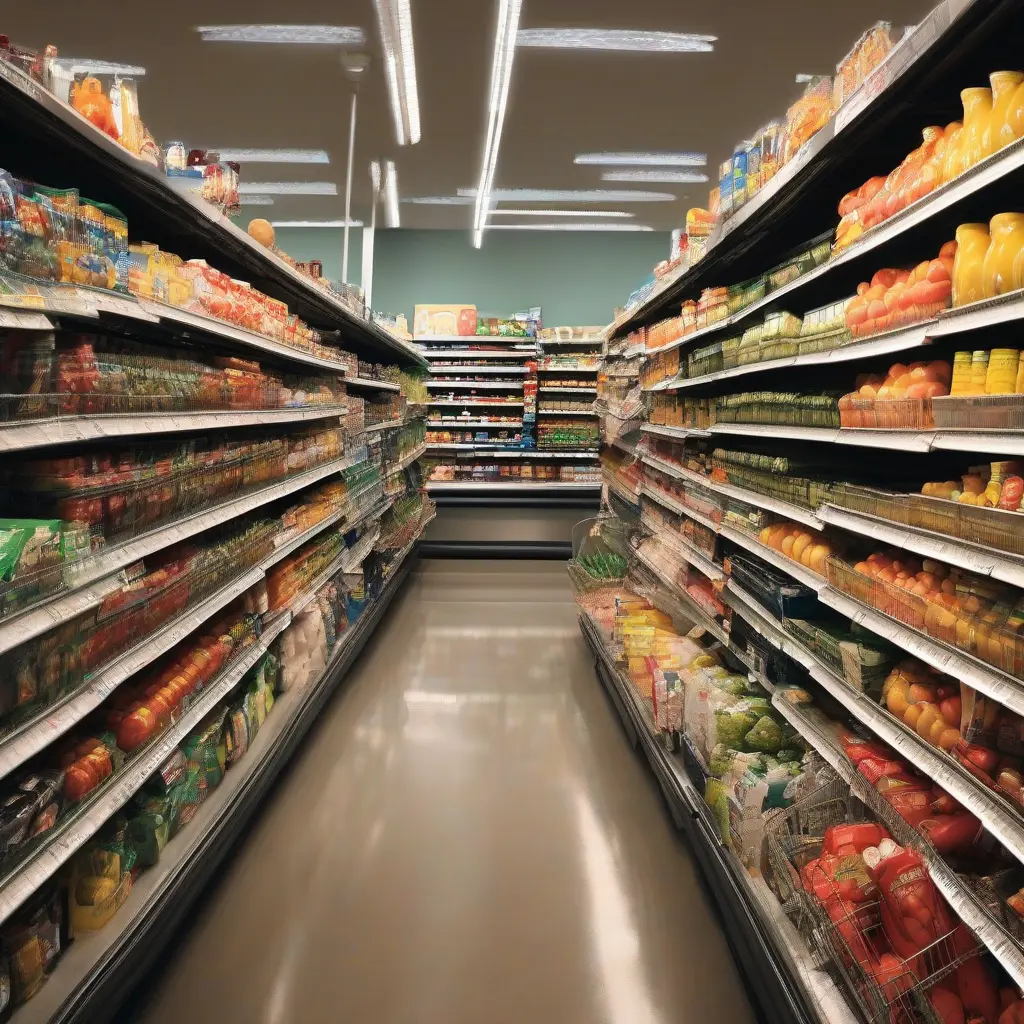
Maintaining a healthy diet on a budget is entirely achievable with some planning and smart shopping strategies. Many people believe that eating healthy means spending a fortune at the grocery store, but that’s a misconception. By utilizing practical tips and tricks, you can enjoy nutritious meals without breaking the bank. This article delves into essential tips for grocery shopping wisely, meal prepping, and making the most of seasonal produce—all aimed at keeping your diet healthy while ensuring your grocery budget remains intact.
Plan Your Meals Ahead of Time
Meal planning is one of the most effective strategies for maintaining a healthy diet on a budget. By dedicating some time each week to plan your meals, you can ensure that you purchase only what you need, reducing impulse buys. Start by selecting recipes that include ingredients already in your pantry. Once you have your meals mapped out, create a grocery list that targets these items specifically. This method not only prevents overspending but also helps minimize food waste, making your eating habits more cost-effective and environmentally friendly.
Create a Weekly Grocery Budget
Establishing a weekly budget is crucial for grocery savings while promoting healthier eating habits. By determining how much you can afford to spend each week on groceries, you create a limit that encourages smarter buying decisions. Track your spending over time to understand where your money goes and adjust your budget as necessary. This disciplined approach allows you to focus on purchasing whole, nutrient-dense foods instead of processed options that often lurk within a flexible grocery budget.
Shop Seasonal and Local Produce
Shopping for seasonal and local produce is a great way to save money while enjoying fresh, healthy foods. Seasonal fruits and vegetables are often more abundant and thus less expensive, providing the best nutrients at a lower cost. Local farmers’ markets are another excellent source for affordable, organic produce without the markup often found in grocery stores. Take time to learn what is in season in your area and make these items the focal point of your meals for optimal health and savings.
Buy in Bulk Wisely
Purchasing in bulk can lead to significant savings when done wisely. Items like rice, beans, and oats tend to be cheaper when bought in larger quantities. However, it’s essential to ensure that you will use these items before they expire or go stale. For perishable items, consider splitting bulk purchases with a friend or family member to avoid waste. Additionally, check unit prices to ensure that buying in bulk genuinely offers a better deal compared to smaller packages.
Utilize Coupons and Discounts
Using coupons and taking advantage of store discounts can significantly lower your grocery bills. Plan your shopping trips around sales and combine them with manufacturer coupons for double savings. Many grocery stores have loyalty programs that offer special discounts and promotions to members. Additionally, smartphone apps can help you find current deals on the items you need, allowing you to create a lower-cost shopping list while maintaining a diverse, healthy diet.
Cook at Home More Often
Cooking at home is a vital habit for budget-conscious individuals aiming to eat healthy. Restaurant meals and fast food can be costly and often less nutritious than home-cooked options. Preparing meals at home gives you control over ingredients, portion sizes, and cooking methods. Invest in a few simple tools and learn to cook basic recipes. This not only allows you to experiment with healthy meals but also empowers you to meet your dietary needs without overspending.
Embrace Meal Prepping
Meal prepping can save both time and money while ensuring you eat healthily throughout the week. This practice involves preparing meals or components in advance, such as cooking grains, roasting vegetables, or portioning proteins. By having ready-to-eat meals on hand, you’re less likely to resort to unhealthy take-out options due to time constraints. Dedicate a few hours one day a week to prep meals, making it easier to stick to your budget and dietary goals.
Make Smart Choices with Protein Sources
Protein is a vital component of a healthy diet, but it can also take a noticeable chunk of your grocery budget. To keep costs manageable, incorporate cost-effective protein sources like beans, lentils, eggs, and canned tuna. These options are generally less expensive than meat but still offer essential nutrients. If you choose to buy meat, consider purchasing less expensive cuts, buying in bulk, or looking for sales on lean options. This way, you can enjoy protein-rich meals without overspending.
Stay Hydrated with Affordable Beverages
Staying hydrated is crucial for overall health, but some beverages can be quite costly. Instead of purchasing soda or expensive juices, opt for water or make your own flavored water with fruits and herbs. Herbal teas and homemade iced teas can be refreshing and affordable alternatives as well. Keeping your beverage choices low-cost will allow you to allocate more of your grocery budget toward nutritious foods, contributing to a healthier overall diet.
Limit Processed Foods and Snacks
Processed foods are often more expensive and can detract from your health goals. By minimizing the amount of processed snacks and meals you purchase, you can save money and prioritize whole foods. Focus on buying ingredients to make your own snacks, such as homemade granola bars or baked goods, using simple recipes. This not only reduces costs but also empowers you to choose healthy ingredients that support your dietary preferences, ultimately fostering a more beneficial eating routine.
Plan for Leftovers
Incorporating leftovers into your meal planning can save both time and money. Preparing larger portions of meals allows you to have ready-made lunches or dinners for the following day. This minimizes food waste and ensures you’re not tempted to buy convenience foods. Additionally, get creative with reinventing leftovers by turning them into new recipes, such as using roasted vegetables in salads or soups. This strategy reinforces your healthy diet while keeping costs low and meals varied.
Conclusion
Maintaining a healthy diet on a budget is achievable through thoughtful planning and strategic shopping. By implementing the tips outlined above, you can enjoy nutritious meals without overspending, ensuring your grocery budget aligns with your health goals. The key lies in being intentional with your purchases, embracing meal preparation, and choosing wholesome ingredients. Start applying these strategies today, and you’ll find that a balanced diet doesn’t have to come with a hefty price tag.