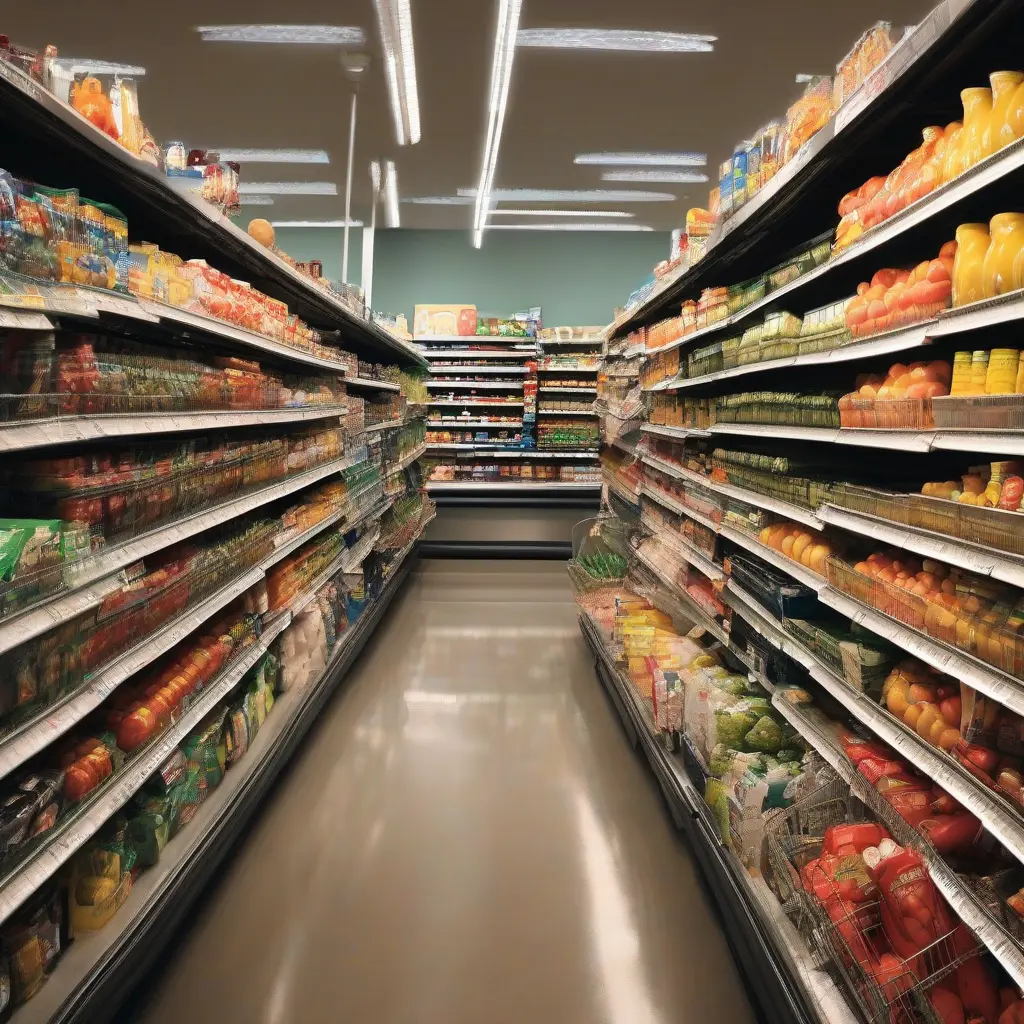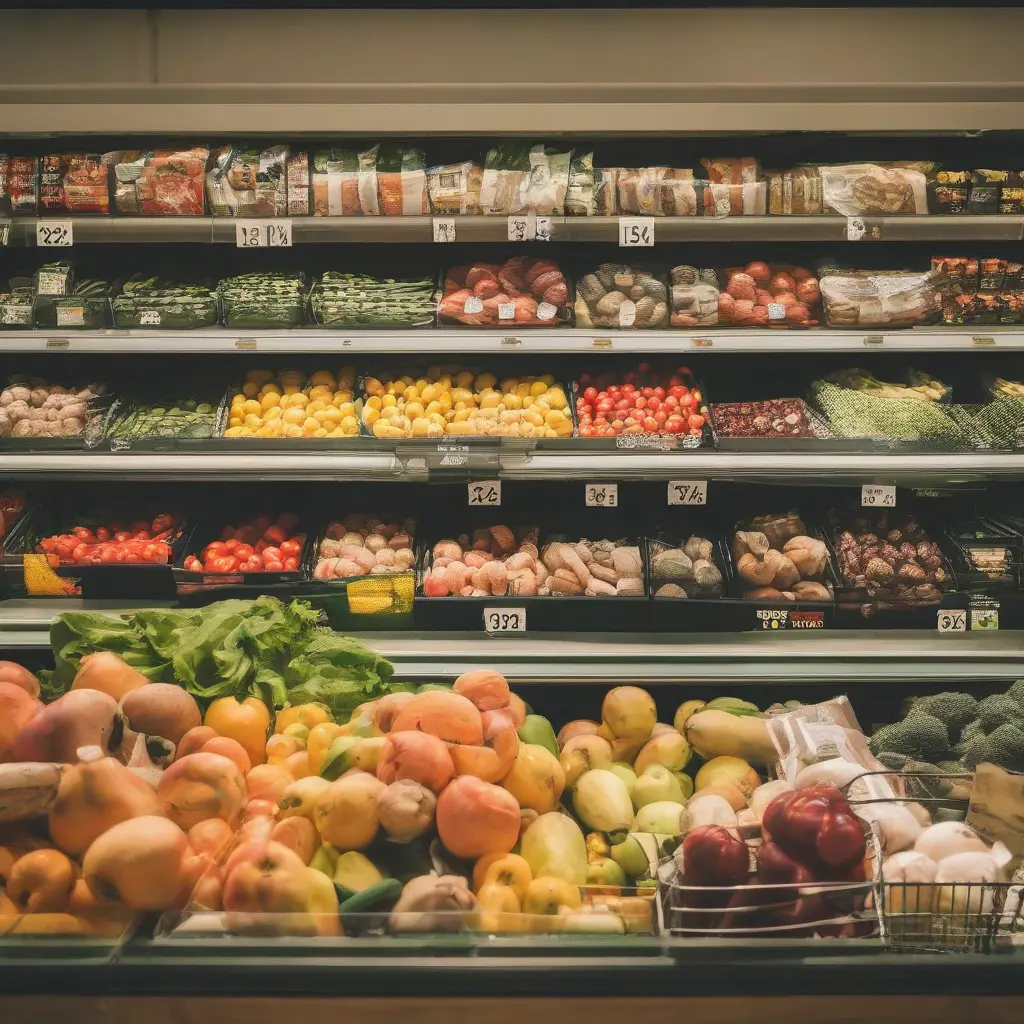
Buying in season is one of the most effective strategies to save on grocery costs. Seasonal produce is typically fresher, tastier, and more affordable due to abundance. Grocery stores and farmers markets often offer discounts on items that are in peak supply. In addition to saving money, purchasing in-season foods supports local agriculture and promotes sustainability. Learning how to identify and incorporate seasonal foods into your meals can lead to healthier eating habits and substantial savings over time.
Understanding Seasonal Produce
Understanding the concept of seasonal produce is essential for maximizing savings. Different fruits and vegetables have specific growing seasons, making them more cost-effective when purchased during their peak ripeness. For instance, strawberries are typically cheaper in late spring and early summer, while root vegetables like carrots and potatoes are more abundant in the fall and winter. Knowing these cycles helps in planning meals around available produce, leading to greater savings and less waste.
Benefits of Buying Seasonal Foods
There are numerous benefits to purchasing seasonal foods that extend beyond mere cost savings. Seasonal produce is often more nutritious because it is picked at its peak ripeness, packed with flavor, and free from long-distance transportation stress. Local farmers benefit from buying in season as they can sell their produce faster and at a better price. These purchases also foster community connections and encourage a diet rich in variety and freshness, enhancing overall well-being.
Tips for Identifying Seasonal Items
Identifying seasonal items can be straightforward with a few tips. Start by consulting seasonal produce guides, which are widely available online and often include charts that break down the best times to buy specific fruits and vegetables. Visiting local farmer’s markets can also provide insight into what is currently in season in your area. Additionally, many grocery stores label their seasonal items, making it easier to spot bargains in-store. Using these resources ensures you purchase items at their most affordable rates.
Planning Meals Around Seasonal Foods
Meal planning around seasonal foods can dramatically reduce grocery costs. Start by making a list of seasonal produce and create a menu that incorporates these ingredients. Not only does this approach help in budgeting, but it can also inspire creativity in the kitchen. Cooking meals with seasonal ingredients often results in fresher flavors and a more satisfying experience. By sticking to a meal plan, you can avoid impulse buys and reduce food waste, ultimately saving more money.
Buying in Bulk When Possible
Buying seasonal produce in bulk can be an excellent way to maximize savings. Many grocery stores and farmer’s markets offer discounts for bulk purchases, especially for items that are in their peak season. Consider purchasing larger quantities of fruits or vegetables that you can easily preserve or use in various recipes. For example, buying extra tomatoes during the summer allows you to can sauces or freeze for later use. This not only saves money but also ensures you have healthy options year-round.
Engaging with Local Farmers
Engaging with local farmers can enhance your understanding of seasonal foods while providing savings opportunities. Many farmers offer shares or subscriptions that include a variety of seasonal produce at a lower cost. This direct connection not only supports local agriculture but also provides insight into the freshest ingredients available. Building relationships with farmers helps in learning about what’s in season and may also lead to exclusive offers or discounts.
Exploring Freezing and Canning Techniques
Freezing and canning techniques can extend the benefits of seasonal buying beyond their peak season. When fruits and vegetables are abundant and inexpensive, preserving them for later use can lead to significant savings. Freezing helps maintain nutritional value, while canning can enhance flavors and make the produce shelf-stable. Both methods are excellent for making the most out of seasonal purchases, allowing you to enjoy seasonal foods throughout the year at lower costs.
Utilizing Online Resources
A variety of online resources can assist you in navigating seasonal buying effectively. Websites and apps provide valuable information on what’s currently in season specific to your location. Additionally, numerous blogs and social media groups focus on seasonal eating, where participants share recipes, tips, and savings strategies. Subscribing to newsletters from local farms or CSA programs can also keep you informed about seasonal offerings and special deals, further enhancing your grocery budget.
Checking Out Seasonal Recipes
Checking out seasonal recipes encourages creativity and helps utilize seasonal produce effectively. Various websites and cookbooks specialize in recipes tailored to what’s currently in season, ensuring that ingredients are both fresh and cost-effective. By exploring different culinary applications for seasonal items, you can avoid the monotony of your usual meals and discover new favorites. Seasonal recipes also align with sustainable eating practices, promoting a healthier lifestyle while contributing to your savings.
Keeping an Eye on Sales and Discounts
Staying alert to sales and discounts on seasonal items can further enhance savings. Many grocery stores have weekly ads that highlight seasonal produce at reduced prices. Keeping an eye out for these discounts can help you stock up on ingredients that are both currently in season and budget-friendly. Taking advantage of store loyalty programs may also yield additional savings, allowing you to get more for your grocery budget without compromising on quality or variety.
Conclusion
In conclusion, buying in season is a smart strategy for reducing grocery costs while supporting local growers. By understanding seasonal cycles, planning meals around these foods, and engaging with your community, you can optimize savings and eat a diverse, flavorful diet. Employing various techniques like freezing and canning can further extend the benefits of seasonal produce, ensuring that healthy options are available throughout the year. Making informed choices about your groceries leads to better financial and dietary outcomes.