Bulk buying can significantly influence your monthly grocery budget, making it an enticing option for many shoppers. While purchasing items in larger quantities often leads to savings, it’s essential to know when this strategy is appropriate. Understanding the factors that contribute to cost efficiency in bulk buying, such as shelf life, storage space, and usage frequency, can aid you in maximizing your grocery budget. This article will explore the impacts of bulk buying on finances, helping you make informed decisions about when and what to buy in bulk.
Understanding Bulk Buying
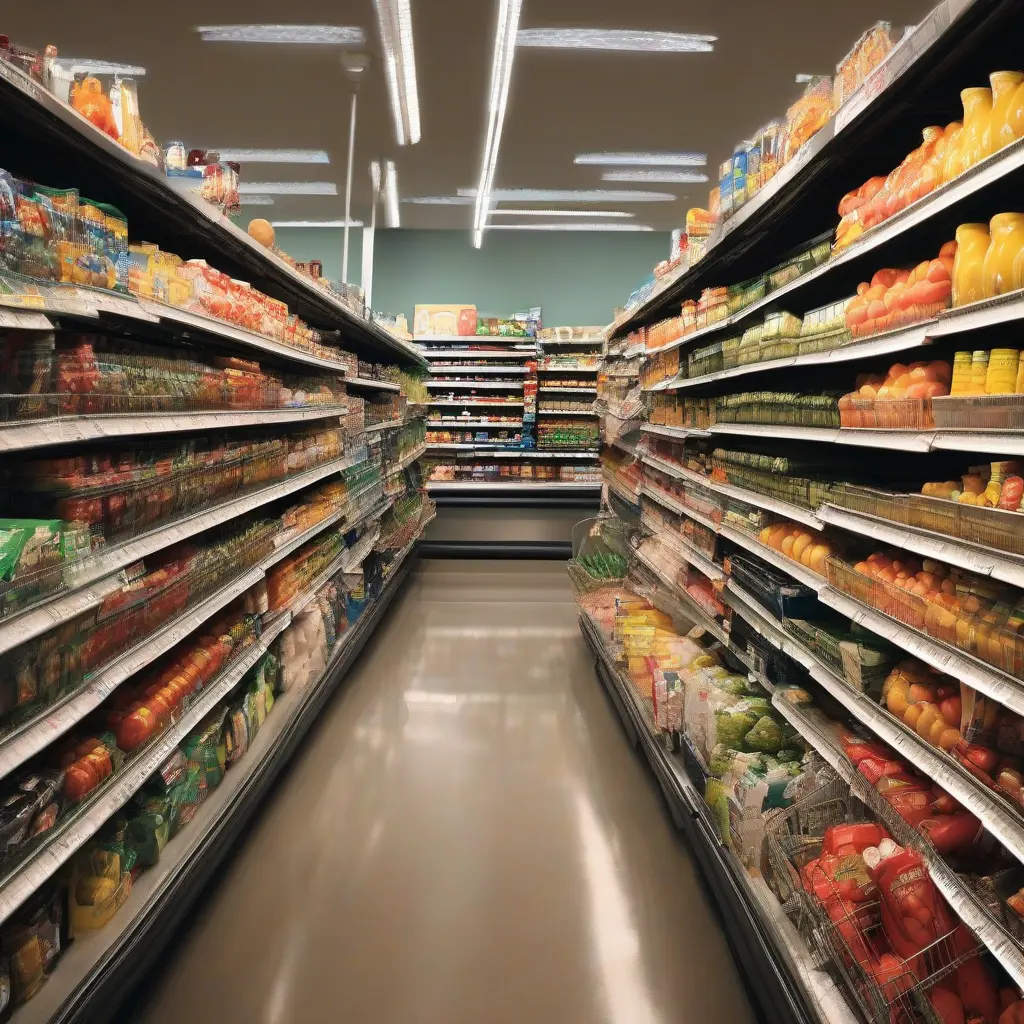
Bulk buying refers to purchasing large quantities of goods, typically at discounted prices per unit. This strategy is often utilized for non-perishable items like canned goods, grains, and household supplies. The main allure is the potential for savings, which can be particularly beneficial for families or individuals with consistent grocery needs. However, it’s also vital to consider factors such as the cost of storage, the risk of spoilage for perishable items, and potential changes in prices, as these can impact the overall financial benefits of bulk purchases.
When Bulk Buying Saves Money
Bulk buying can lead to significant savings when purchasing staple items that have a long shelf life and are frequently used. Items like rice, pasta, and canned goods often fall into this category, allowing you to lock in lower prices and avoid repeated trips to the store. Additionally, if you can find bulk deals on frequently used items during sales or promotions, the cost per unit can decrease substantially. This approach not only helps reduce your grocery bill but also saves time, as fewer shopping trips are needed over the month.
Perishable Items and Bulk Buying
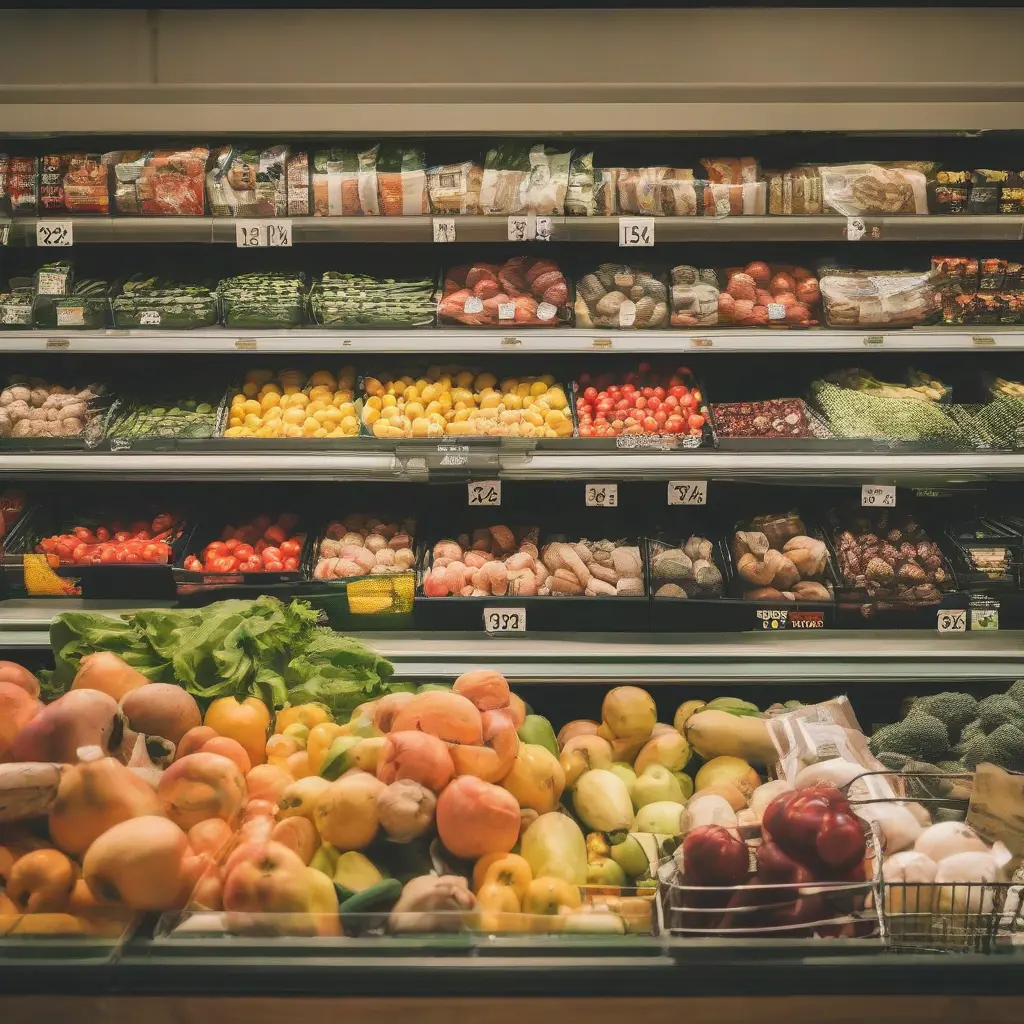
Purchasing perishable items, such as fresh fruits and vegetables, in bulk can be less straightforward. While you might enjoy lower prices, the risk of spoilage means that careful consideration is necessary. Plan to consume these items quickly or consider buying bulk only for items that can be frozen or preserved, like meats and dairy products. Understanding your consumption patterns is essential; if you often find yourself discarding food, it might not be cost-effective to buy perishable items in large quantities.
Storage Space Considerations
One critical factor to evaluate before diving into bulk buying is available storage space. Items bought in large quantities require adequate space to keep them fresh and organized. If you live in a small apartment or have limited pantry space, the potential for clutter and waste increases. Consider whether you can either dedicate a portion of your home for bulk storage or if you should invest in proper shelving units or containers to maximize space efficiency. If storage is a challenge, focus on bulk buying only those items that fit comfortably within your space.
Assessing Product Usage Frequency
Before bulk buying, it’s crucial to assess how often you use specific products. Items that are rarely consumed may not justify a bulk purchase, as they could take up valuable space or lead to waste. Analyze your buying habits over the past few months; if certain items appear consistently in your grocery list, consider exploring bulk options for them. On the other hand, infrequent items might be better purchased individually or in small quantities, ensuring you maximize your grocery budget without clutter.
Seasonal Buying Strategies
Another strategy to consider is seasonal buying, especially for items that are often discounted during specific times of the year. Stockpiling seasonal items like holiday goods or back-to-school supplies can enhance your bulk buying tactics. During peak seasons, many retailers offer sales on bulk products, allowing you to purchase at a lower cost. By aligning bulk purchases with seasonal availability, you can maximize savings while ensuring you have what you need throughout the year without overspending.
Comparison Shopping and Bulk Buying
It’s essential to engage in comparison shopping when considering bulk purchases. Prices can vary significantly between different stores; therefore, taking the time to visit multiple retailers or using online grocery platforms can reveal the best deals. Consider checking the price per unit, not just the total price, as this can help you gauge if bulk buying offers actual savings. Sometimes, purchasing smaller quantities from discount stores may be more cost-effective than buying in larger quantities from warehouse retailers.
How to Avoid Impulse Bulk Buying
Impulse buying can derail the benefits of bulk purchasing, turning potential savings into unnecessary expenses. Establish a shopping list before you go to the store, sticking to essentials and what your budget allows. Avoid browsing aisles with non-essential items unless you have pre-planned to explore those sections. Engaging in mindful shopping helps prevent unplanned bulk purchases that might not align with your needs, ensuring that your budget remains intact while taking full advantage of bulk buying opportunities.
Conclusion
In summary, bulk buying can positively impact your monthly grocery budget when approached thoughtfully. By considering factors such as product types, storage space, and usage frequency, you can maximize savings and minimize waste. Taking time to analyze your grocery habits and shopping strategically will ensure that your bulk buying efforts are both economical and practical, leading to an efficient and budget-friendly grocery experience.