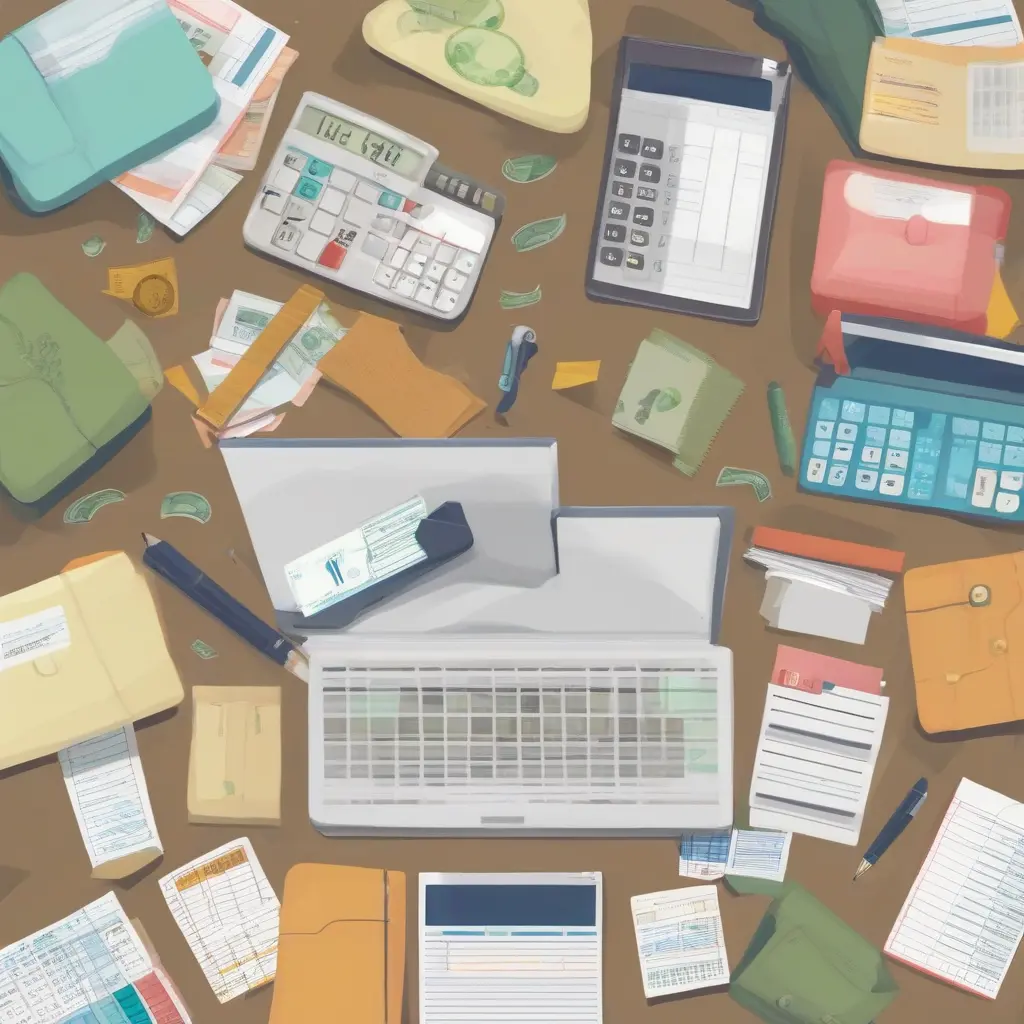
Envelope budgeting is a practical method for managing monthly expenses that has gained popularity due to its simplicity and effectiveness. This technique involves allocating a specific amount of cash into envelopes designated for different spending categories, such as groceries, entertainment, and savings. By sticking to this system, individuals can visually track their expenses and maintain financial discipline. In this guide, we will explore how to implement envelope budgeting in your life, its benefits, and tips to keep you on track.
Understanding Envelope Budgeting
Envelope budgeting is a cash-based budgeting system that helps individuals allocate their income into specific spending categories. This method involves using physical envelopes or digital tools to separate cash for various expenses like housing, utilities, groceries, and entertainment. By seeing how much money is in each envelope, users can easily monitor their spending and prevent overspending. This method encourages mindful spending, as once an envelope is empty, no more money can be spent in that category until the next budgeting cycle.
Benefits of Envelope Budgeting
One primary benefit of envelope budgeting is the enhanced control it offers over personal finances. By visually managing funds for different categories, individuals can avoid accumulating debt and living paycheck to paycheck. Additionally, this system promotes better financial awareness, as users become more conscious of their spending habits. Furthermore, envelope budgeting can reduce financial stress by clearly defining where money is allocated, making it easier to balance expenses and savings without feeling overwhelmed.
Getting Started with Envelope Budgeting
To begin envelope budgeting, start by assessing your monthly income and fixed expenses, such as rent or mortgage, utilities, and loan payments. Next, list all discretionary spending categories, including groceries, entertainment, and personal care. Once you determine your total monthly expenses, allocate specific amounts of cash to each envelope based on your spending priorities. It’s crucial to ensure that your total allocated money does not exceed your income to maintain a balanced budget.
Choosing the Right Categories
Selecting the right categories for your envelopes is essential for effective budgeting. Common categories include groceries, dining out, entertainment, clothing, and transportation. You may also want to include envelopes for savings, emergencies, or debt repayment. Tailor your categories to fit your lifestyle and spending habits. The more precise your categories, the easier it will be to track your expenses, avoid overspending, and fully engage with the budgeting process.
Setting Monthly Spending Limits
After determining your categories, it’s important to set realistic spending limits for each envelope. Analyze past spending habits to find an amount that allows you to live comfortably while adhering to your budget. An effective strategy is to start with a conservative estimate and adjust it as necessary over time. Consistency with these limits promotes discipline in your budgeting efforts and helps individuals stay on track with their financial goals.
Tracking Your Spending
Regularly tracking your spending is crucial in the envelope budgeting process. As you spend from each envelope, keep a record of the amounts used. This can be done manually with a notebook or digitally using budgeting apps designed for envelope systems. Periodically review your spending to identify patterns or areas for improvement. By having a clear understanding of where your money goes, you can make informed decisions and potentially adjust your budget for upcoming months.
Adapting Your Budget as Needed
Budgets are dynamic and may require adjustments over time due to changes in income, expenses, or lifestyle. If you find that you consistently over or underspend in certain categories, consider reevaluating those envelope allocations. Life changes, such as a new job or moving to a new area, can influence your financial situation, necessitating a reassessment of your budget. Stay flexible and open to making necessary changes to keep your budget realistic and effective.
Using Digital Tools for Envelope Budgeting
While traditional envelope budgeting uses physical envelopes, digital tools can provide additional convenience and tracking features. Numerous apps replicate the envelope budgeting system digitally, allowing users to allocate funds to various categories while monitoring spending in real time. These technologies often include features such as transaction notifications, spending analytics, and the ability to set financial goals. Using a digital approach can streamline the budgeting process and help users stay organized.
Combining Envelope Budgeting with Other Techniques
Envelope budgeting can be effectively combined with other budgeting techniques to enhance financial management. For example, consider integrating the 50/30/20 rule, which allocates 50% of income to needs, 30% to wants, and 20% to savings. This approach can provide additional structure while using the envelope system. Additionally, implementing saving techniques like the savings challenge can motivate individuals to put aside surplus funds, supporting financial goals through a holistic budgeting strategy.
Common Challenges and Solutions
Many people face challenges when implementing envelope budgeting, such as sticking to the limits set or dealing with unexpected expenses. One effective solution is to allow some flexibility within budget categories to accommodate fluctuations. If you find that you consistently run out of funds in one envelope, consider rebalancing it by adjusting limits from other categories. Emphasizing a positive mindset and viewing budgeting as a journey will also help you overcome challenges and enhance your financial responsibility.
Conclusion
In summary, envelope budgeting can be a highly effective method for managing monthly expenses and achieving financial stability. By following the steps outlined in this guide, including setting up categories, tracking spending, and adapting your budget, you can gain better control over your finances. Remember to stay flexible and committed to your budgeting journey, and you’re likely to see positive results over time.