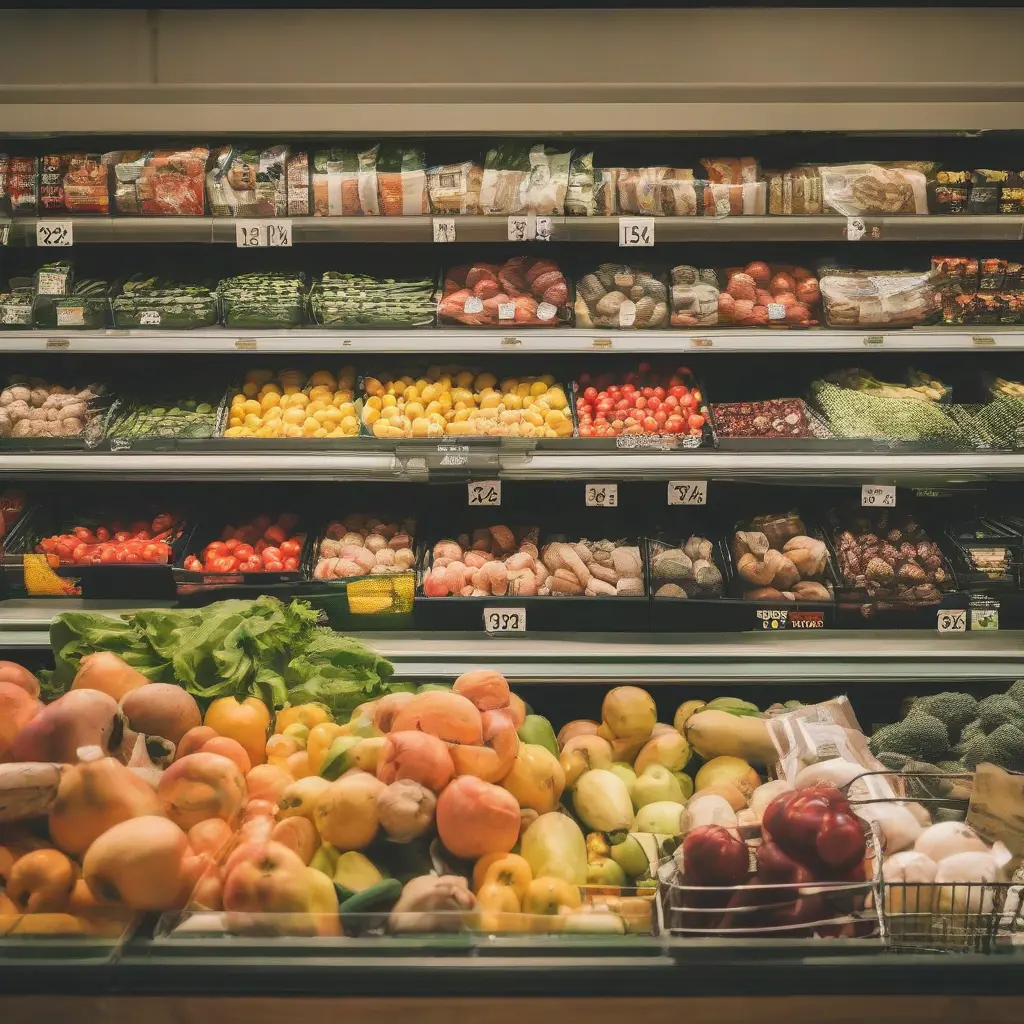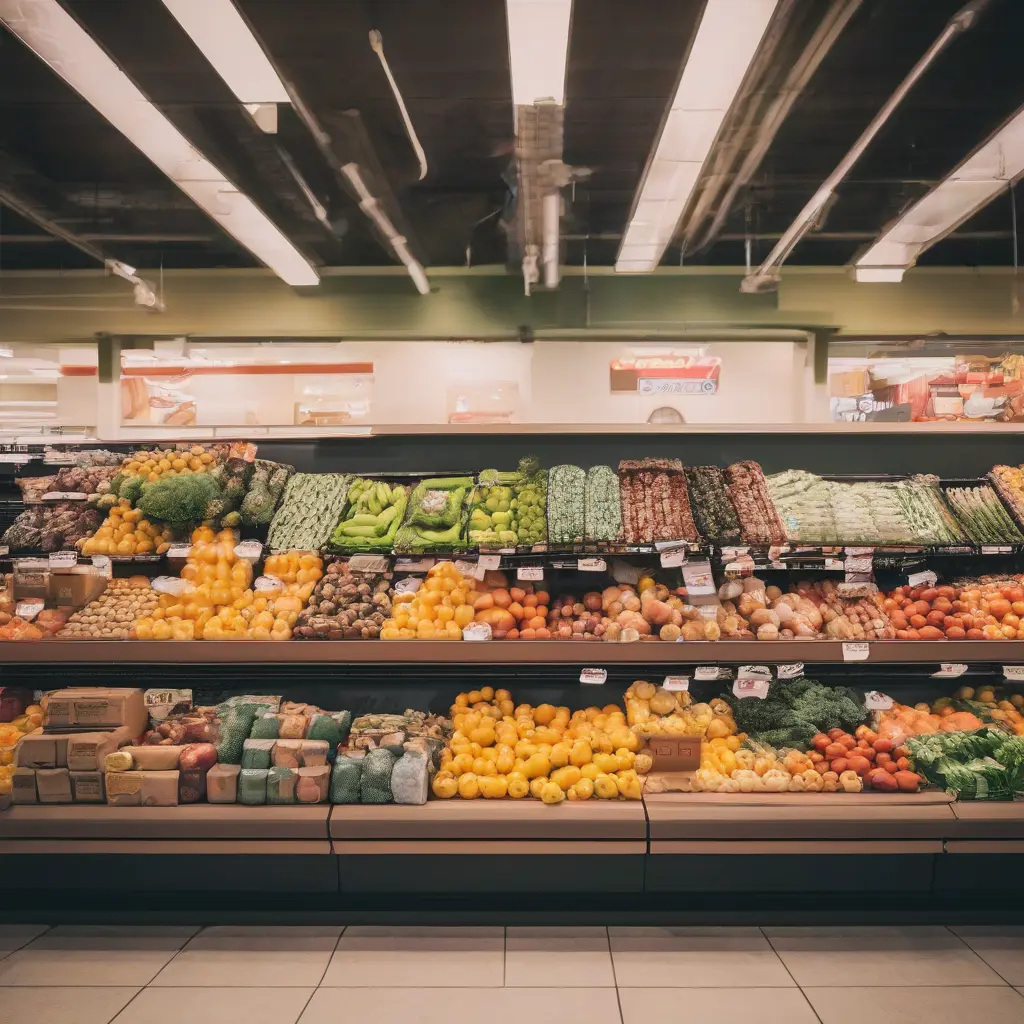
Seasonal shopping is an effective strategy for reducing your grocery expenses. By purchasing fruits, vegetables, and other products that are in peak season, you can often enjoy better prices and fresher options. This approach not only helps you save money but also allows you to take advantage of the natural cycles of production. In this guide, we will explore how seasonal shopping can help you maintain your budget while enjoying a diverse and nutritious diet.
Understanding Seasonal Produce
Knowing what’s in season is crucial for effective seasonal shopping. Fruits and vegetables have specific times of the year when they are harvested at their peak quality and affordability. For instance, strawberries are typically in season from late spring to early summer, while winter squash becomes abundant in the fall. By being aware of these seasonal cycles, you can plan your grocery list around the freshest produce, often leading to significant savings.
Benefits of Buying Seasonal Items
Purchasing seasonal items not only helps your wallet but also impacts the environment positively. Seasonal produce is often grown closer to home, reducing transportation costs and lowering your carbon footprint. Additionally, these items are typically harvested at their peak, meaning they taste better and retain more nutrients. This results in healthier meals without the higher price tag associated with out-of-season produce.
Planning Your Grocery List
Creating a grocery list based on seasonal produce can help streamline your shopping experience. Start by researching what fruits and vegetables are in season during your shopping month. Include recipes that highlight these ingredients, allowing for flexibility in your meals. By planning meals around seasonal items, you’ll be less tempted to splurge on off-season items that may cost more.
Bonus Savings with Local Farmers Markets
Local farmers markets provide a fantastic opportunity to access fresh, seasonal produce while supporting local growers. Many markets offer lower prices than traditional grocery stores, especially when shopping directly from farmers. In addition, buying in bulk at these markets can lead to even more savings. Simply remember to arrive early for the best selection and to negotiate prices where appropriate.
Utilizing Discounts and Coupons
While seasonal shopping already provides savings, leveraging discounts and coupons can amplify your cost reductions. Many grocery stores offer sales based on seasonal items, and combining these with manufacturer coupons can lead to substantial savings. Keep an eye on store flyers and apps for promotions, particularly for abundant seasonal items. This strategy not only saves money but also encourages you to try new foods.
Preserving Seasonal Foods for Later Use
One effective way to maximize savings from seasonal shopping is by preserving excess produce for later use. Techniques such as freezing, canning, or dehydrating allow you to enjoy seasonal flavors during off-peak months. For instance, you can freeze berries or can vegetables to ensure you have them available, minimizing the temptation to buy expensive out-of-season alternatives.
Making Use of Seasonal Proteins
Seasonal shopping extends beyond fruits and vegetables to include proteins. Certain meats and seafood are more abundant and affordable at specific times of the year. For example, many fish varieties are more plentiful in the summer months, while specific cuts of meat may be discounted in the fall. By incorporating these seasonal proteins into your meals, you can diversify your diet while keeping costs in check.
Creating Versatile Recipes
Focusing on versatile recipes can help you make the most of seasonal ingredients. Dishes that can be adapted according to available produce allow for creativity while promoting cost-effectiveness. For example, a stir-fry can incorporate various seasonal vegetables and proteins, making your meals both interesting and budget-friendly. By keeping a repertoire of adaptable recipes, you can easily adjust your meals based on what’s in season.
Educating the Family on Seasonal Benefits
Engaging your family in the benefits of seasonal shopping can lead to collective savings and enhanced meal experiences. Discuss the importance of fresh produce and involve family members in meal prep, helping them appreciate the flavors and nutritional benefits of seasonally available foods. When everyone understands the significance of seasonal cooking, it becomes easier to make smarter choices and reduces waste.
Conclusion
Incorporating seasonal shopping into your grocery routine can dramatically lower your expenses while improving the quality of your meals. By understanding what produce is in season, planning your grocery list accordingly, and utilizing local resources, you can maximize savings and enjoy fresh, nutritious food year-round. Seasonal shopping not only benefits your wallet but also supports sustainability and community health.