Organizing your pantry is not just about creating an aesthetically pleasing space; it’s about maximizing efficiency, saving money, and reducing food waste. By implementing effective organizational strategies, you can keep track of what you have, prevent overbuying, and ensure that ingredients are used before they spoil. This comprehensive guide explores practical techniques for pantry organization while highlighting how these methods can contribute to significant savings on your grocery bill.
Assess Your Current Pantry Situation
Before diving into organization, take time to assess your current pantry situation. Emptying out your pantry allows you to see what you have on hand, spot expired items, and evaluate how different foods are stored. This step is crucial to understanding which products get used frequently and which ones tend to be overlooked. Knowing what you already own helps in planning meals more effectively and reduces the temptation to purchase unnecessary duplicates.
Categorize Food Items Effectively
Grouping similar items together is an essential step in maintaining a well-organized pantry. Organize your food items into categories such as grains, snacks, canned goods, and spices. This categorical approach simplifies meal prep and grocery shopping by allowing you to quickly locate what you need. Additionally, consider using labels for each section, making it easier for all household members to return items to their designated spots after use.
Use Clear Containers for Storage
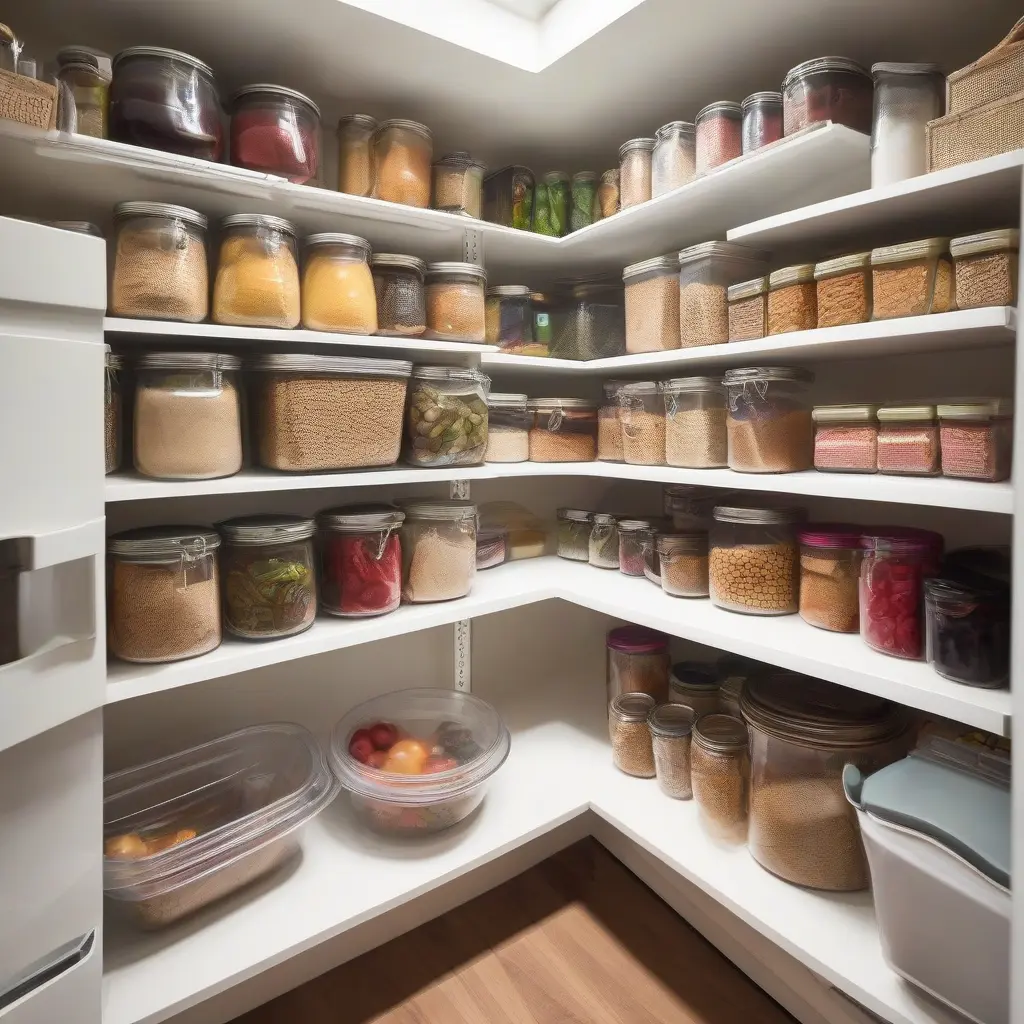
Adopting clear storage containers can significantly enhance your pantry’s organization. By using transparent bins, you can easily see the contents without having to sift through various packages. This not only makes it convenient to find ingredients but also helps monitor inventory levels, reducing food waste. Opt for stackable containers to maximize vertical space and maintain a tidy appearance across your pantry shelves.
Implement FIFO (First In, First Out) System
The FIFO method is an effective strategy for ensuring older items are used before newer ones, thus minimizing food spoilage. Organize pantry items in a way that the oldest products are at the front and the newer ones are placed behind them. This system is particularly useful for perishable items like canned goods, which often have expiration dates. By regularly checking expiration dates and rearranging items based on usage, you’ll further reduce waste and save money.
Make Use of Vertical Space
Vertical space is often underutilized in pantries, yet it offers a simple way to store more items and keep everything organized. Use shelving units, hooks, or tiered racks to maximize this space. Consider mounting small baskets or magnetic spice racks on walls for additional storage options. This not only declutters your countertop but also allows you to arrange ingredients more logically, improving accessibility while preventing waste.
Plan Weekly Meals
Creating a weekly meal plan can significantly increase your pantry’s efficiency and reduce food waste. Spend time each week planning meals that utilize items you already have on hand. This practice helps you make informed shopping decisions and minimizes the risk of purchasing items they may not use. Additionally, planning meals around what needs to be consumed soon can help ensure that perishables are treated with priority, further lowering food spoilage and waste.
Keep Track of Inventory
Maintaining an inventory of your pantry contents can aid in effective organization and food waste reduction. Consider keeping a running list of items, either digital or physical, to monitor what you have and what needs to be replenished. Regularly updating this inventory not only streamlines grocery shopping but also prevents impulsive purchases. When you know exactly what you have, you’re more likely to create meals that use all available ingredients.
Consider Expiration Dates
Keeping an eye on expiration dates is vital for ensuring food quality and safety. As you organize your pantry, pay attention to expiration dates on all products and consider using a system where you periodically check and update them. Discard expired items immediately to maintain a clean and fresh pantry. This ongoing vigilance helps you stay aware of what needs to be used soon, preventing food waste while saving money on unnecessary purchases.
Get Creative with Leftovers
Finding innovative ways to use leftovers can significantly reduce food waste and contribute to savings. Don’t hesitate to reinvent meals by transforming leftover ingredients into new dishes. For instance, overcooked grains can be turned into salads, soups, or stir-fried meals. Get inspired by recipes that focus on utilizing leftovers or challenge yourself to create meals with what you have. This creativity not only reduces waste but can also lead to exciting new culinary experiences.
Utilize Seasonal Ingredients
Incorporating seasonal ingredients into your meal planning can significantly reduce grocery costs while improving freshness and flavor. Seasonal produce is often more affordable and abundant, allowing you to take advantage of local availability. By aligning your meals with what’s in season, you’ll also create a more diverse and interesting menu. This practice encourages variety and can help reduce the urge to purchase out-of-season items that may contribute to higher food waste.
Conclusion
By applying these effective organizational strategies in your pantry, you can mitigate food waste and enjoy significant savings over time. From assessing your current situation to implementing systematic approaches like FIFO, these tips will empower you to create a more efficient and sustainable pantry. By prioritizing organization and mindful consumption, you not only enhance your meal-planning experience but also contribute positively to your budget and the environment.