Cooking for one can be a rewarding yet challenging experience, particularly when it comes to grocery shopping on a budget. Many single individuals find themselves buying more food than they can consume, leading to waste and higher costs. By implementing a few strategic approaches, you can maximize your grocery budget and minimize food waste. This article will explore various techniques designed to help those cooking for one save money while still enjoying flavorful, nutritious meals.
Plan Your Meals in Advance
Meal planning is essential for those cooking for one, as it helps you make informed decisions about what to buy and how to use your ingredients effectively. Take time each week to outline your meals, considering recipes that use similar ingredients to minimize waste. By pre-planning your meals, you can avoid impulse purchases and ensure that you buy only what you need. This method not only saves you money but also simplifies your grocery shopping experience.
Make a Detailed Grocery List
Creating a grocery list is a crucial step in the shopping process, especially when you have a specific budget. Based on your meal plan, jot down the ingredients you need and stick to the list while shopping. A detailed grocery list reduces the temptation to buy unnecessary items and helps you focus on essentials. This not only prevents overspending but also makes your shopping trips more efficient, allowing you to grab what you need quickly.
Embrace Bulk Buying Wisely
Buying in bulk can be a cost-effective strategy, but it’s essential to approach this tactic wisely when cooking for one. Look for items that you frequently use and can be stored for an extended period without spoiling. Dry goods, canned items, and frozen foods often lend themselves well to bulk purchases. However, be cautious with perishable items, as they may go to waste. Assess your consumption patterns before buying in large quantities to maximize your savings.
Explore Seasonal Produce and Sales
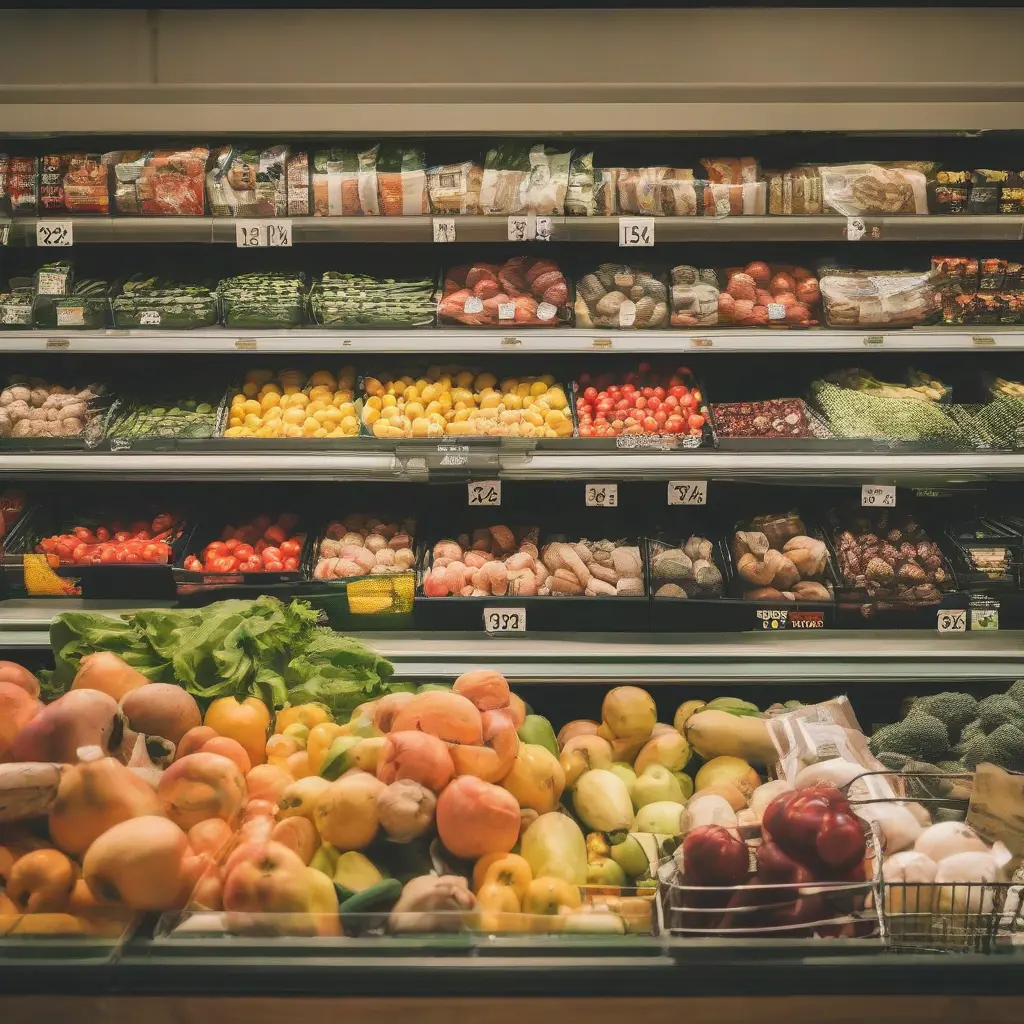
Shopping for seasonal produce can significantly reduce your grocery bills while enhancing the quality of your meals. Seasonal fruits and vegetables are often cheaper and fresher than out-of-season options. Additionally, keep an eye on grocery store sales and discounts to take advantage of lower prices. By aligning your shopping habits with seasonal offerings, you can create budget-friendly meals without sacrificing taste or nutrition.
Utilize Leftovers Creatively
Leftovers can be a lifesaver for those cooking for one, offering a convenient way to turn yesterday’s meal into today’s breakfast or lunch. Instead of letting leftovers sit in the fridge, find creative ways to repurpose them into new dishes. For instance, transform roasted vegetables into a hearty soup or use leftover chicken in a salad. Embracing leftovers creatively not only saves you time and money but also reduces food waste effectively.
Incorporate Versatile Ingredients
Focusing on versatile ingredients can simplify your cooking and grocery shopping experience. Staples like rice, beans, and pasta can serve as the foundation for numerous meals, allowing you to mix and match with different proteins and vegetables. By incorporating these adaptable items into your diet, you can create a variety of dishes while minimizing the number of purchases. This strategy helps ensure that you can enjoy nutritious meals without overspending.
Consider Plant-Based Meals
Exploring plant-based meals can be a budget-friendly way to nourish yourself. Fruits, vegetables, grains, and legumes are often cheaper than meat and dairy products, while still offering a range of flavors and nutrients. By incorporating more plant-based options into your diet, you can significantly cut grocery costs without sacrificing meal quality. Additionally, this approach can promote a healthier lifestyle, benefiting both your wallet and your well-being.
Leverage Store Brands and Discounts
In many grocery stores, store brands are significantly cheaper than name-brand products, often without compromising quality. When shopping, consider trying these store-brand items for basic foods and staples. Additionally, take advantage of discounts, coupons, and loyalty programs to maximize your savings. Being mindful of deals can lead to substantial savings over time, allowing you to stretch your grocery budget further while still enjoying a variety of foods.
Simplify Cooking Techniques
Simplifying your cooking techniques can save both time and money. Focus on one-pot meals or sheet-pan dinners that allow you to cook multiple ingredients simultaneously, reducing dishwashing and prep time. Techniques like batch cooking can also be beneficial, as you can prepare larger quantities of food and store portions for later use. By streamlining your cooking process, you not only save effort but also make the most of your ingredients.
Stay Flexible with Substitutions
Flexibility in your recipe choices can lead to significant savings. If a recipe calls for a specific ingredient that is costly or out of season, consider making substitutions. For example, if a dish requires fresh herbs, use dried alternatives or omit them altogether. Similarly, use whatever vegetables you have on hand, adapting recipes based on what is available and affordable. This adaptability helps you save money while ensuring your meals remain exciting and diverse.
Conclusion
Cooking for one presents unique challenges, particularly when it comes to managing grocery expenses. By implementing strategic approaches such as meal planning, bulk buying, and embracing leftovers, you can effectively save money while enjoying diverse and nutritious meals. Adapting your grocery shopping habits with a focus on seasonal produce and versatile ingredients will further enhance your budget-friendly cooking journey.