Shopping during sales can lead to significant savings, but it’s essential to approach it strategically to avoid overbuying. Understanding your needs and planning ahead can help you stock your pantry effectively and economically. This article will provide valuable insights into how to make the most of sales while ensuring your pantry is stocked with items you genuinely need, rather than ending up with impulse purchases that go unused. By following these tips, you can maximize savings and minimize waste.
Understand Your Pantry Needs
Before diving into sales, it’s crucial to assess what you really need for your pantry. Take inventory of your current stock to identify items that are running low or staples that you consume regularly. By knowing what you have and what you need, you can create a focused shopping list that aligns with your meal planning and avoids unnecessary purchases. This practice not only saves money but also helps reduce food waste, making your grocery trips more efficient.
Make a Detailed Shopping List
A well-prepared shopping list can be your best ally when shopping sales. After determining your pantry needs, create a list that includes specific brands or types of products you want. This minimizes distractions and helps you stay focused on items that are both essential and beneficial. Sticking to your list not only allows for strategic savings but also prevents impulse buying of items that may seem appealing but aren’t part of your regular cooking habits.
Set a Budget for Your Grocery Shopping
Establishing a clear budget is essential when navigating sales and promotions. Factor in how much you want to spend on groceries each month, accounting for both staples and any specialty items you might want to stock up on. Having a set budget empowers you to make informed decisions while shopping and encourages discipline, preventing overbuying during sales events. By tracking your spending, you can assess whether your strategies are working and adjust accordingly.
Utilize Digital Grocery Apps
Digital grocery apps can simplify your shopping experience while maximizing savings. These apps often feature sales alerts, digital coupons, and comparison tools that help you find the best deals. Additionally, many apps allow you to create shopping lists or save favorite items for quick access. By harnessing technology, you not only save money but also streamline the grocery shopping process, ensuring you can focus on essential purchases without temptation.
Understand Sale Cycles and Seasonal Discounts
Becoming familiar with sale cycles can significantly enhance your grocery shopping strategy. Many grocery stores follow predictable patterns for sales, often rotating discounts weekly or monthly on certain items. Seasonal promotions can also present opportunities to buy in bulk at reduced prices. By being aware of these cycles, you can time your shopping trips effectively and stock up on items that are on sale before they revert to higher prices.
Prioritize Perishables Wisely
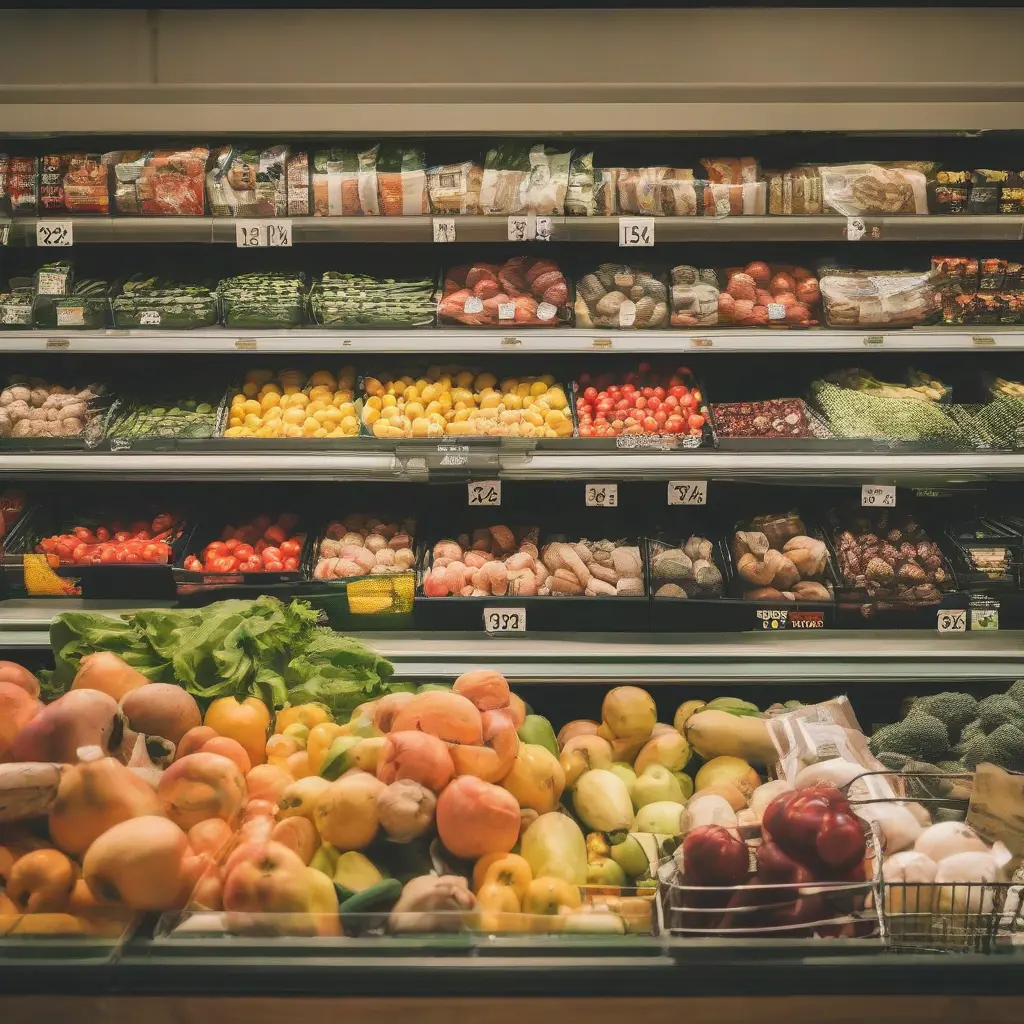
When shopping for perishables like fruits and vegetables, it’s vital to prioritize what you will consume within their shelf life. Although it might be tempting to stock up on discounted items, overbuying these products can lead to waste if they spoil. Focus on selecting perishables you plan to use soon and consider buying smaller quantities of fresh items more frequently. This approach allows you to enjoy fresh produce while minimizing waste.
Choose Versatile Ingredients
Selecting versatile ingredients can help maximize your grocery budget while reducing the chances of overbuying. Focus on foods that can be used in multiple recipes or meal types, such as rice, beans, and various seasonal vegetables. This allows you to purchase fewer items while still having the flexibility to create diverse meals, ensuring that nothing goes to waste and you make the most out of each purchase.
Keep Track of Expiration Dates
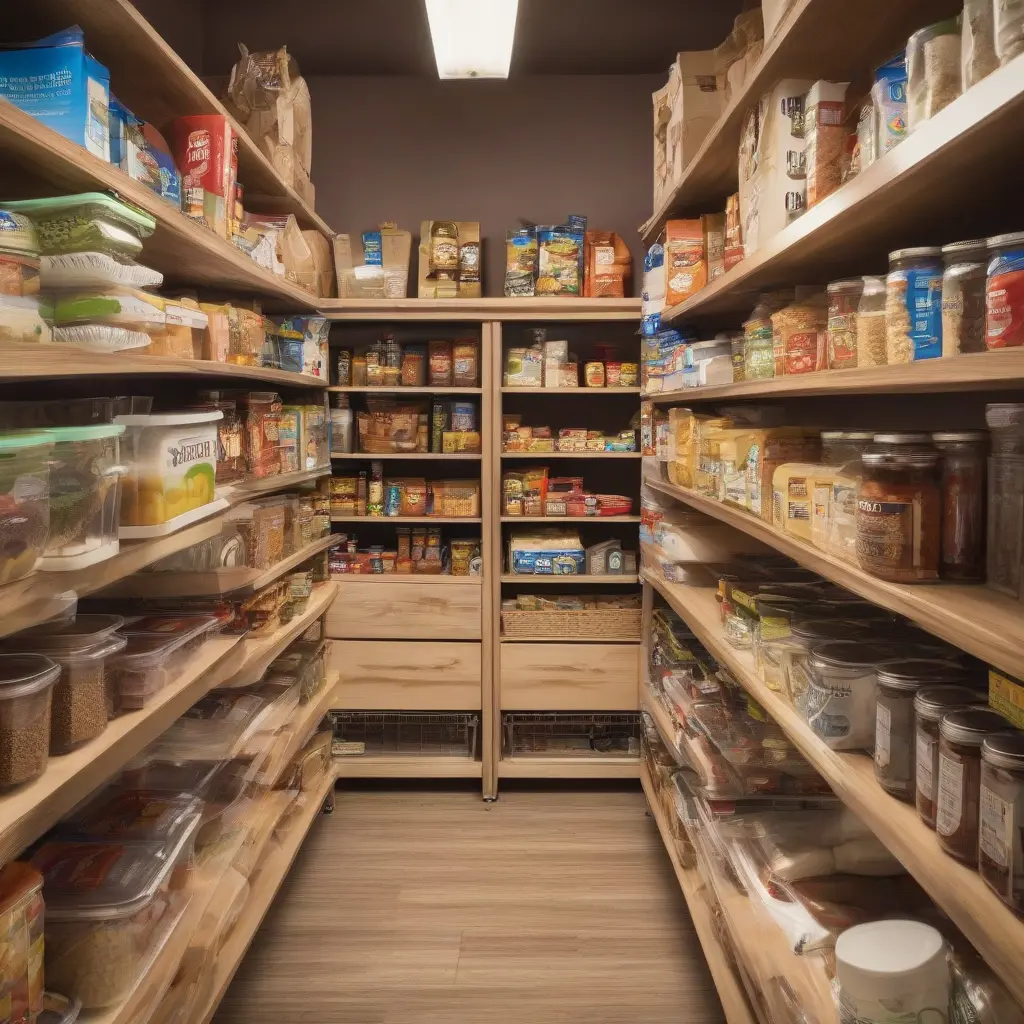
Managing expiration dates is essential for reducing waste and ensuring that the food you buy doesn’t go unused. As you stock your pantry, organize items by their expiration dates, placing those that will expire soon at the front. This simple tactic ensures that you consume perishable items before they spoil, helping you keep track of what needs to be used first and preventing overbuying when there are still items left in stock.
Take Advantage of Bulk Purchasing Smartly
Bulk purchasing can provide significant savings, but it’s crucial to do so wisely. For items with a long shelf life, such as grains, canned goods, and some frozen products, buying in bulk can lead to long-term savings. However, avoid overcommitting to perishable items unless you are sure they will be used before spoiling. Being strategic about bulk buying helps you save money while still stocking your pantry effectively without overbuying.
Incorporate a Meal Planning Routine
Meal planning is a valuable tool for reducing food waste and ensuring that your pantry remains stocked with essentials. By planning meals in advance, you can create a shopping list based on necessary ingredients rather than impulse buys. Additionally, meal planning helps you utilize items already in your pantry, ensuring that nothing goes unused and that your grocery spending aligns with your cooking habits.
Be Cautious with Promotions and Discounts
While promotions and discounts can provide excellent savings, it’s essential to be cautious. Evaluate whether a sale item is genuinely a good deal or an impulse trigger. Sometimes, advertisements can lure shoppers into buying items that are not needed or are purchased in excessive quantities. Before committing to buying an item on sale, consider its actual necessity in your pantry and weigh the benefits against potential waste.
Conclusion
Successfully shopping sales and stocking your pantry requires a combination of planning, awareness, and strategy. By understanding your needs, making detailed lists, and utilizing various tools and techniques, you can minimize waste and maximize savings. Implementing these tips enables you to enjoy the benefits of grocery sales without falling victim to overbuying, making your pantry a well-organized and cost-effective resource.