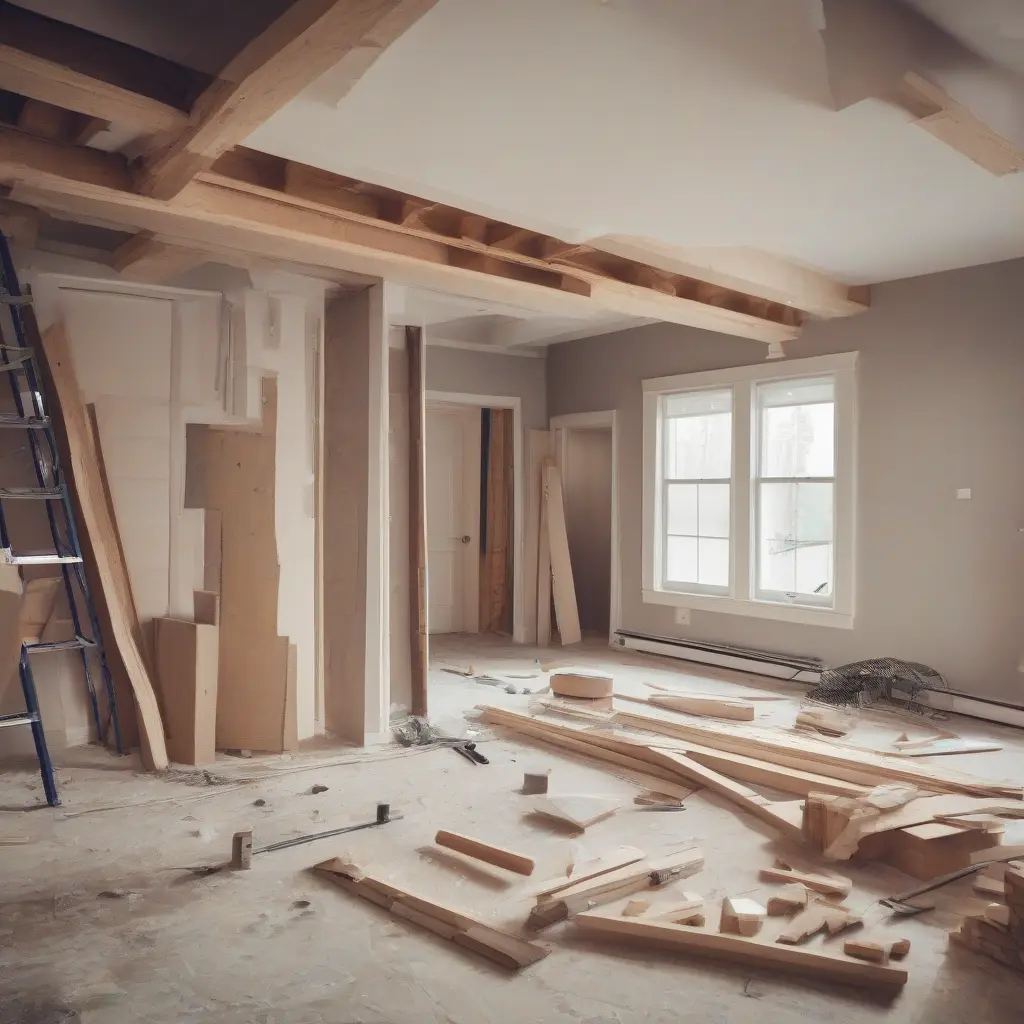
Budgeting for home renovations can seem daunting, especially with the myriad of costs involved. However, adopting simple budgeting methods can help control expenses effectively and reduce financial stress. Whether you’re updating a single room or undertaking a whole-home remodel, understanding how to plan your budget will lead to more informed decisions. This article explores practical strategies to help you manage your home renovation budget, ensuring your project is completed smoothly and within financial limits.
Set a Clear Renovation Goal
Before diving into budgeting, it is crucial to establish clear renovation goals. Determining what you hope to achieve helps define the scope of the project and sets the stage for the entire budgeting process. Whether it’s enhancing functionality, increasing property value, or simply improving aesthetics, having a defined goal allows for prioritization of expenses. This clarity will inform your choices, guiding where to allocate funds and what features to forgo, ultimately controlling costs effectively.
Research Average Costs
An essential step in budgeting for home renovations is to research average costs associated with the desired renovations. This involves gathering quotes from contractors, exploring DIY options, and finding comparable projects online. By understanding typical pricing for labor, materials, and permits, you can build a more accurate budget. Being informed about local market rates helps prevent unexpected overruns and ensures that you’re getting value for your investments during the renovation process.
Create a Detailed Budget Plan
Creating a detailed budget plan is fundamental to managing home renovation costs effectively. List all anticipated expenses, breaking them down into categories such as materials, labor, permits, and furnishings. Include a contingency fund for unexpected costs, typically around 10-20% of the total budget. A meticulous plan allows for better tracking of expenditures and can help identify areas where adjustments can be made. With a structured budget in place, you will have a comprehensive overview of your financial commitments.
Prioritize Must-Have Items
When renovating, it’s important to distinguish between must-have items and nice-to-have features. Prioritizing essential components such as structural repairs or critical appliances ensures that your budget is directed toward areas that will yield the most benefit. By focusing on priorities first, you may find that there’s still room in your budget for additional upgrades that enhance comfort and style. This strategy allows for better financial management while still achieving a satisfactory renovation outcome.
Utilize Cost-Saving Strategies
Employing cost-saving strategies can significantly impact your home renovation budget. Start by sourcing materials wisely—bulk buying, using recycled materials, or shopping during sales can reduce overall costs. Additionally, consider performing some tasks yourself to minimize labor costs. Collaborating with skilled friends or family can also lead to savings. Every proactive step taken to cut expenses contributes to staying within budget while ensuring your aspirations for the renovation are realized.
Track Your Spending
Tracking spending throughout your renovation project is vital for keeping your budget in check. Utilize budgeting apps, spreadsheets, or simple pen and paper to log expenses as they occur. Regularly reviewing your spending against your original budget helps identify discrepancies and areas where you might be overspending. This practice enables timely adjustments, empowering you to make informed financial decisions while staying committed to your renovation goals.
Review and Adjust Your Budget
As the renovation project progresses, reviewing and adjusting your budget becomes crucial. Construction often leads to unexpected challenges that can influence costs, so flexibility is key. By continuously monitoring project developments and associated expenses, you can make informed decisions about reallocating funds or scaling back specific upgrades. This proactive approach minimizes financial strain and keeps your renovation aligned with your overall financial strategy.
Consult with Professionals
Consulting with professionals, such as architects, contractors, or financial advisors, can provide valuable insights into the budgeting process for home renovations. Their experience can help identify potential hidden costs and guide you on realistic budgeting standards in your area. Professionals can also assist in prioritizing tasks based on crucial structural needs versus aesthetic desires. Leveraging their expertise can reduce costly mistakes and ensure that your renovation aligns well with your financial expectations.
Consider Financing Options
Financing options may become necessary for larger renovation projects. Understanding the differences between loans, credits, and personal financing can provide flexibility in managing upfront costs. It’s essential to research interest rates, terms, and stipulations associated with financing before making a decision. Balancing the potential benefits and risks will aid in selecting financing that complements your overall budget. A well-planned financing strategy can facilitate your renovation dreams while keeping long-term financial health in mind.
Embrace Flexibility
Flexibility in your renovation approach can be a key factor in adhering to your budget. Sometimes, the most stunning results come from adapting to challenges and making adjustments as needed. This may involve altering design plans or reconsidering the scope based on emerging costs. By remaining open to change, you not only mitigate stress but also pave the way for creative solutions that can yield impressive results within your financial constraints. Flexibility can be your greatest ally in successful home renovations.
Conclusion
In summary, budgeting for home renovations requires careful planning, foresight, and flexibility. By setting clear goals, researching costs, and employing efficient strategies, homeowners can manage their budgets successfully. Continuous tracking and consultation with professionals aid in navigating challenges, while embracing adaptability fosters creative solutions. Ultimately, a well-thought-out budget not only ensures financial control but also enhances the satisfaction and value derived from your home renovations.