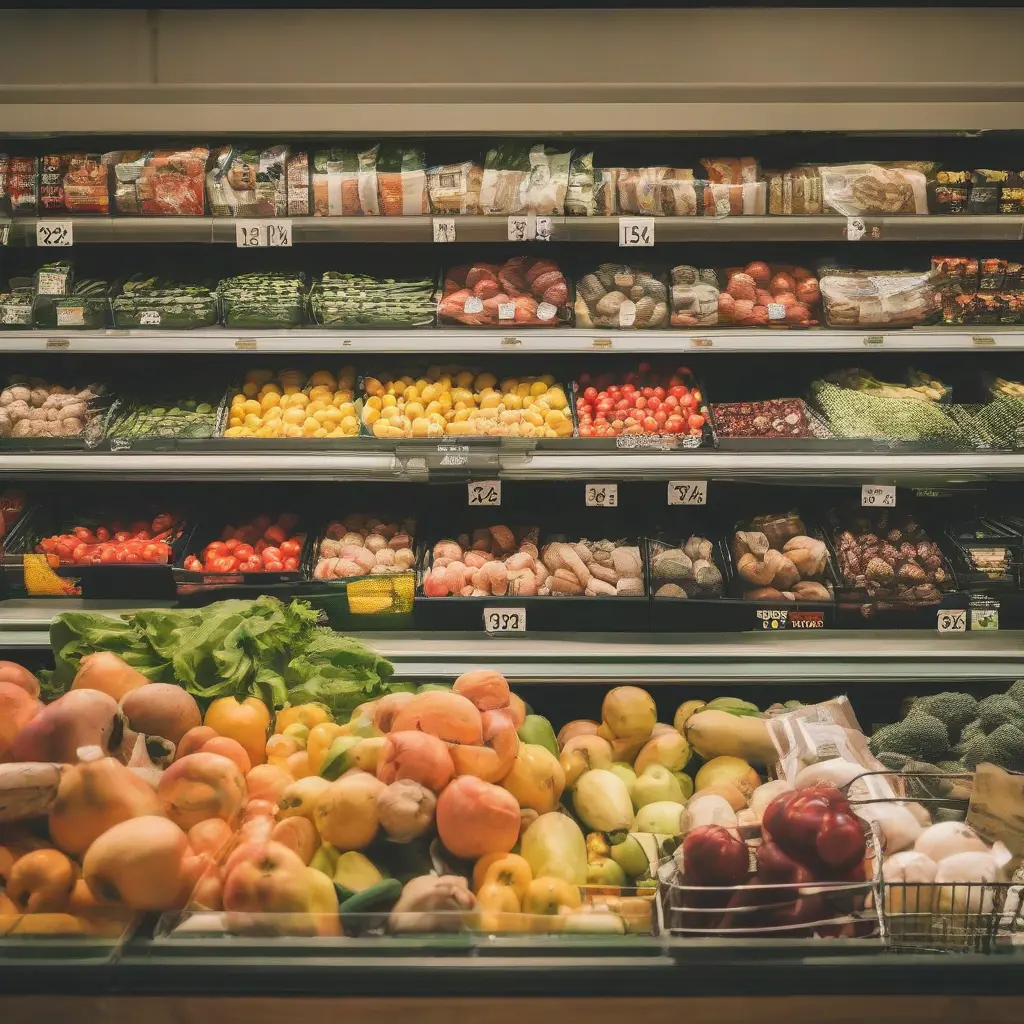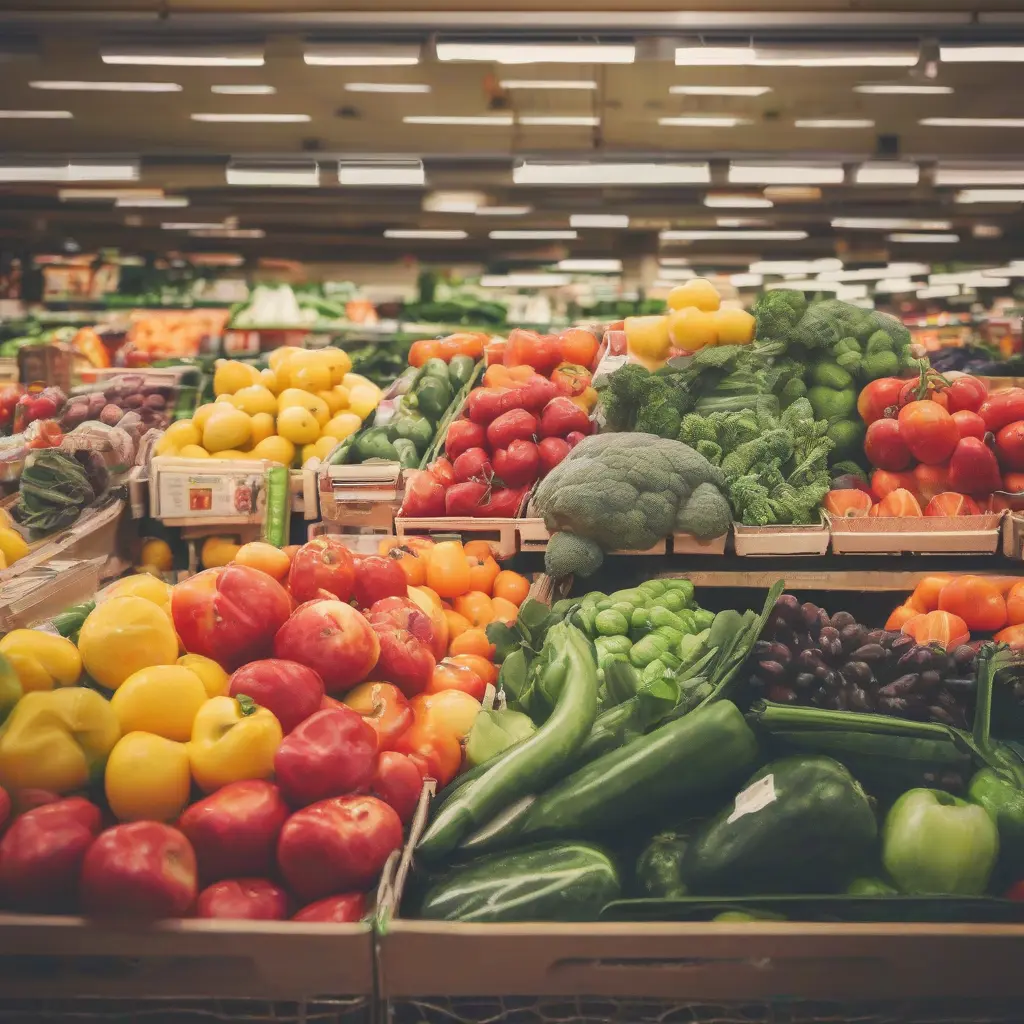
Shopping for fresh produce can be a cost-effective way to eat healthier, but timing plays a crucial role in maximizing savings. Many grocery stores have specific schedules for when they restock their fruits and vegetables, often resulting in sales that can significantly lower your grocery bills. By understanding these trends and learning the best times to shop, you can take full advantage of discounts and offers while ensuring you get the freshest produce available. In this article, we will explore the ideal days and times to grocery shop, the importance of seasonal offerings, and how planning can enhance your savings.
Understanding Grocery Store Restocking Schedules
Most grocery stores have regular restocking schedules to maintain freshness and availability. Typically, stores receive shipments early in the week, often on Sundays or Mondays, ensuring fresh produce is available for the beginning of the shopping week. If you’re looking to buy the freshest fruits and vegetables, plan your trips for these days. Additionally, many stores mark down items that are nearing the end of their shelf life, making these early days the perfect opportunity to snag great deals on fresh produce.
Visiting Grocery Stores Early in the Morning
Shopping early in the morning can often yield the best selections of fresh produce. Many shoppers tend to visit stores later in the day, which can result in diminished options for fruits and vegetables. By arriving right when the store opens, customers have access to the newest stock, ensuring quality and freshness. This practice not only allows you to choose the ripest produce but can also give you a chance to take advantage of any morning promotions that the store may have.
Timing Your Shopping with Weekly Sales Cycles
Every grocery store typically has a weekly sales cycle that starts on a specific day, often aligned with their restocking practices. By familiarizing yourself with each store’s sale days, you can plan your shopping trips accordingly. For example, if a store’s sales flyer begins on Wednesdays, shopping on that day can help you capitalize on both fresh stock and advertised discounts. Keeping an eye on these sales cycles will enable you to stretch your budget further while still enjoying high-quality grocery items.
The Benefits of Seasonal Produce Shopping
Seasonal produce is not only fresher but often less expensive compared to out-of-season items. Understanding the growing seasons for different fruits and vegetables can greatly enhance your grocery savings. Shopping for seasonal produce allows you to take advantage of sales that are aligned with harvest times. For instance, berries are typically in season during the summer months, which means they are fresher and often sold at lower prices. Incorporating this knowledge into your shopping habits can create both financial and culinary advantages.
Utilizing Grocery Store Apps and Loyalty Programs
Many grocery stores offer mobile apps and loyalty programs that can further enhance your savings on fresh produce. These apps often provide digital coupons, exclusive discounts, and notifications about upcoming sales. By downloading your grocery store’s app, you can easily check for seasonal offers on fruits and vegetables, compare prices, and receive loyalty points towards future purchases. Utilizing these tools not only helps you plan your shopping efficiently but also allows you to stay informed about the best deals available.
Exploring Local Farmers’ Markets
Farmers’ markets are an excellent alternative for fresh produce shopping, as they often sell locally-sourced items directly from growers. Visiting farmers’ markets not only supports local agriculture but can also offer significant cost savings on seasonal fruits and vegetables. Since produce at these markets is typically harvested shortly before being sold, the quality is often superior to that found in stores. Additionally, many vendors are more open to negotiation on prices, allowing you to further maximize your grocery savings, especially if you buy in bulk.
Shopping for Produce on Discount Days
Some grocery stores designate specific days for markdowns on items nearing the end of their shelf life, including fresh produce. These discount days can be a golden opportunity for savvy shoppers looking to save. Produce may be marked down significantly, allowing you to purchase high-quality items at a lower price. However, it’s advisable to plan your meals around these items to ensure they are used efficiently and do not go to waste. Keep an eye on the store’s schedule for markdowns to make the most of your grocery trip.
Assessing Your Grocery List for Better Shopping
Having a well-prepared grocery list can significantly enhance your shopping experience. Before heading to the store, take some time to assess what you need based on the current seasonal produce and upcoming sales. This preparation helps avoid impulse buys and ensures you prioritize what’s essential. It can also guide you in purchasing seasonal items that are likely to be on sale, maximizing both freshness and cost-effectiveness. A clear grocery list aligned with your shopping goals allows you to make informed choices when grocery shopping.
Leveraging Bulk Purchases for Fresh Produce
Buying fresh produce in bulk can be an economical strategy, especially when items are in season and abundant. Many grocery stores offer discounts on bulk purchases, allowing you to save money in the long run. This approach is particularly beneficial for items like berries, tomatoes, and greens. However, it’s crucial to ensure that you can consume or preserve these items before they spoil. By planning meals around these bulk purchases or utilizing storage methods like freezing, you can take advantage of the savings while minimizing waste.
Conclusion
Knowing the best times to grocery shop for fresh produce can lead to significant savings and promote healthier eating habits. By understanding restocking schedules, visiting early, aligning with sales cycles, and exploring seasonal offerings, you can optimize your grocery trips for both quality and affordability. Incorporating technology, utilizing local markets, and planning ahead will further enhance your ability to access fresh, cost-effective produce. By following these strategies, you can ensure that you’re not only saving money but also getting the best possible quality in your grocery selections.