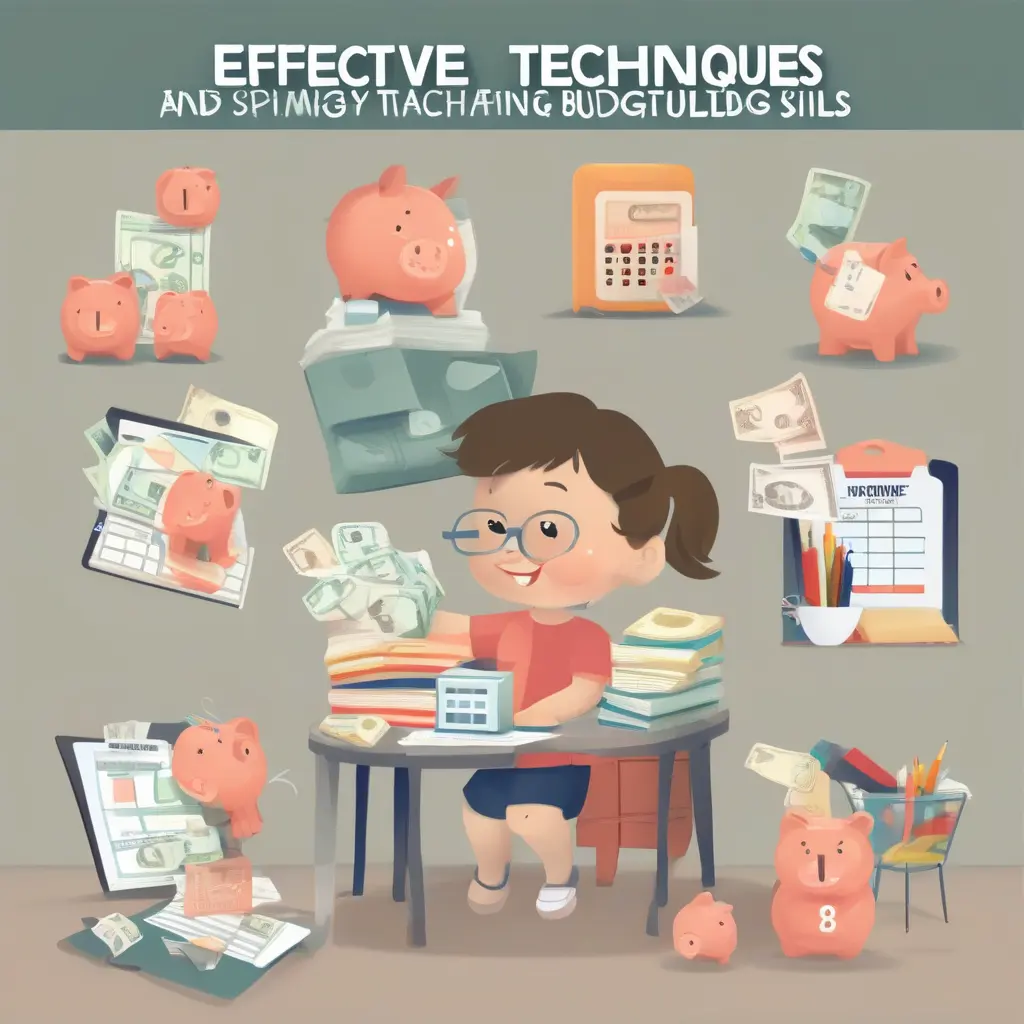
Teaching kids simple budgeting skills at a young age is essential for fostering financial literacy and responsibility. By introducing basic concepts such as saving, spending, and managing money wisely, parents can equip their children with essential tools for future financial success. Through engaging activities, practical examples, and consistent communication, these budgeting techniques can make learning about money enjoyable and productive for kids of all ages.
Introduce Basic Financial Concepts
Begin by introducing basic financial concepts to children, such as money, expenses, and income. Use real-life examples like allowances or chores that result in earning money. Explain how various expenses impact their finances, emphasizing terms like ‘needs’ versus ‘wants’. Children can benefit from using visuals like apps or jars to represent different components of budgeting. This foundational understanding is crucial as it sets the stage for more advanced budgeting techniques in the future.
Use a Budgeting App
In today’s digital age, utilizing a budgeting app can enhance the learning experience for kids. Many user-friendly apps are designed specifically for children to manage their money easily. By allowing kids to track their earnings, spending, and savings through an interactive platform, they can learn to make informed financial decisions. Encourage them to explore their spending habits and analyze trends over time, enhancing their engagement and understanding of budgeting.
Set Up a Savings Goal
Creating a savings goal is an effective way to teach kids the importance of delayed gratification. Help them choose something they want, such as a toy or a game, and calculate how much they need to save weekly to reach that goal. Facilitate discussions about the sacrifices they might need to make in their spending. This method teaches not just budgeting but also the value of patience and planning for the future.
Incorporate Games and Activities
Games are a fun and engaging way to teach budgeting skills. Consider board games like ‘Monopoly’ or ‘The Game of Life’ that incorporate money management. Additionally, create your own budgeting games at home, where kids can earn fake money for completing household chores and learn to allocate their earnings towards various expenses. Such activities make learning about budgeting interactive and entertaining, reinforcing the concepts in a memorable way.
Offer Real-Life Experiences
Intentionally involve kids in real-life financial decisions to improve their understanding of budgeting. Take them shopping and share with them how to compare prices, assess quality, and stick to a budget. Allow them to manage a small portion of the grocery budget, giving them the responsibility of making choices within set limits. This practical approach helps children connect budgeting theory to real-world scenarios, enhancing their practical skills.
Discuss Wants vs. Needs
Teaching children the difference between wants and needs is crucial for effective budgeting. Use everyday situations to illustrate the distinction, such as discussing food purchases—explain that groceries are a need, while treats are generally wants. Encourage kids to think critically when making choices about their money, helping them identify what is essential versus what can be foregone. This understanding fosters mindful spending habits that can last a lifetime.
Create a Weekly Budget Plan
Involve children in creating a simple weekly budget, which can help them visualize their financial decisions. Start by listing all sources of income, like allowances or extra earnings from chores. Then, create sections for savings, spending, and any planned purchases. This exercise teaches them how to allocate resources effectively and prepares them for managing their finances in more expansive contexts later on.
Encourage Reflecting on Spending Habits
Instilling the habit of reflecting on spending is a vital budgeting skill. Regularly sit down with your child, reviewing their transactions from the week. Discuss what they purchased, how it aligned with their budget, and what they might do differently next time. This process not only reinforces learning but also encourages accountability, ultimately steering them towards becoming responsible financial decision-makers.
Teach the Value of Giving
Instilling a sense of generosity can be an essential part of budgeting. Teach your children to allocate a small percentage of their income towards charitable donations or gifts. Discuss how this practice not only helps those in need but also enhances their personal growth. Understanding the importance of giving fosters empathy and reinforces a well-rounded approach to budgeting that values responsibility both to self and community.
Utilize Budgeting Worksheets
Budgeting worksheets can serve as tangible tools for children to learn financial management skills. Provide worksheets that allow them to outline their income, expenses, and savings goals. These can help break down the budgeting process into manageable components. Encourage kids to fill out these worksheets regularly, which will enhance their understanding and make the concept of budgeting feel less abstract and more concrete.
Involve Them in Long-Term Financial Decisions
Involving kids in family long-term financial decisions can significantly enhance their understanding of budgeting. Discuss plans for vacations, big purchases, or savings goals as a family. Allow them to contribute ideas on how to save or spend wisely, fostering a sense of ownership and responsibility over financial decisions. This involvement helps them appreciate the complexities of budgeting in real-life scenarios.
Conclusion
Teaching kids simple budgeting skills is an invaluable investment in their future financial health. By utilizing a variety of methods—from games to real-life experiences—parents can create numerous learning opportunities. These techniques not only make the process enjoyable but also instill critical financial habits that can last a lifetime. Ultimately, equipping children with budgeting skills sets the stage for their success in managing money wisely and responsibly.