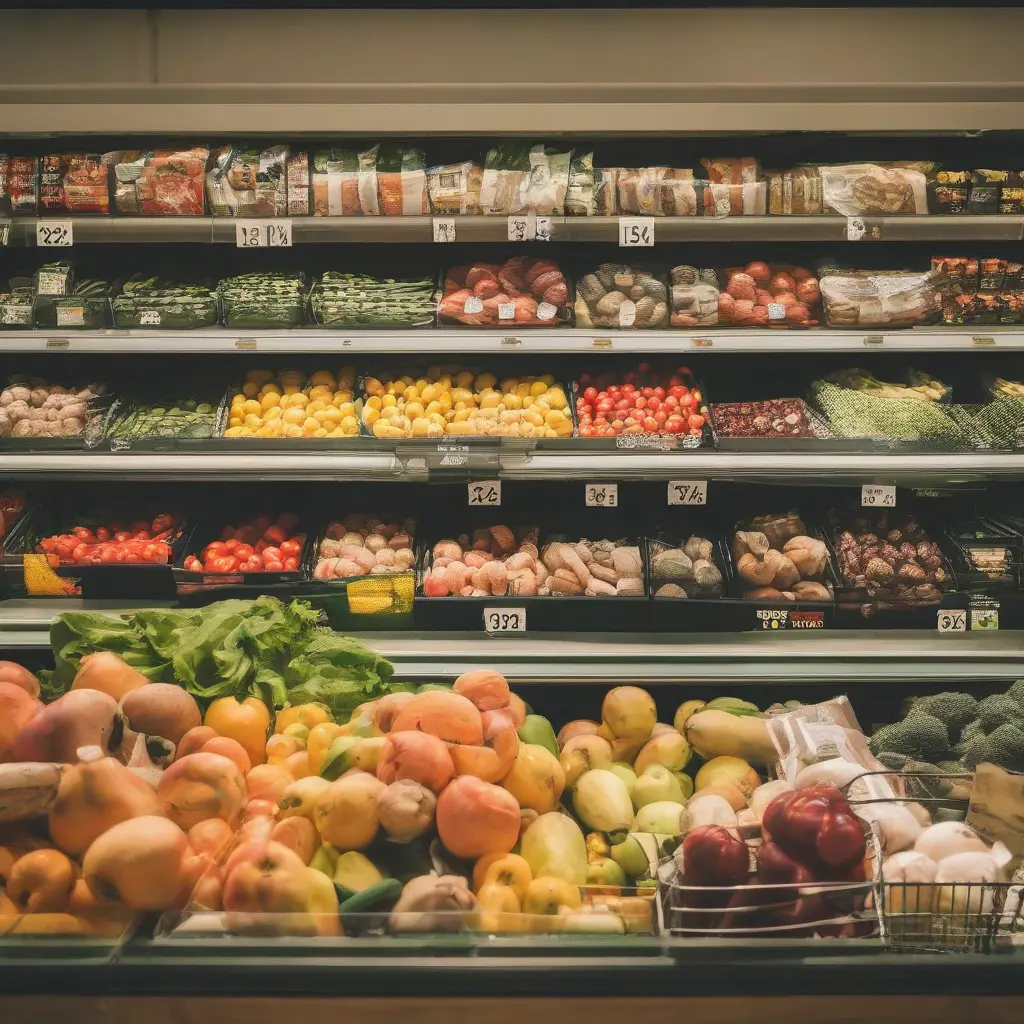
Managing grocery costs can be challenging, especially with rising prices and changing consumer habits. By employing simple budget strategies, you can effectively control your spending without sacrificing quality or nutrition. This article will explore practical techniques such as planning meals, utilizing shopping lists, and taking advantage of discounts. With these strategies, you can streamline your grocery shopping experience and ensure your budget stays intact, making your finances more manageable.
Plan Your Meals Ahead
Meal planning is one of the most effective strategies for keeping grocery costs under control. By organizing your meals for the week, you can focus on purchasing only the ingredients you need, minimizing waste and impulsive buys. Take some time each week to explore recipes and consider using staples that you already have. This foresight not only helps in managing your grocery expenses but also ensures a varied and exciting diet devoid of repetition. Plus, knowing what’s for dinner prevents the last-minute scramble that often leads to unplanned spending.
Create a Detailed Shopping List
A well-structured shopping list is essential for effective grocery budgeting. Before heading out, compile a list based on your meal plan, ensuring it includes only what you need. By sticking to this list, you can avoid the temptation of purchasing unnecessary items that can quickly add up. Consider categorizing your list by sections of the store—like produce, dairy, and grains—to streamline your shopping and reduce time spent in-store. This organized approach not only saves time but also helps in maintaining your budget.
Use Coupons and Discounts
Coupons and discounts are powerful tools for reducing your grocery bills. Many stores offer weekly promotions, loyalty programs, or digital coupons that can lead to substantial savings. Take some time to research and gather these deals before you shop. You can often find coupons in newspapers, online, or through store apps. Combining discounts with your shopping list can maximize your savings, ensuring you get the best deals on necessary items, making premium products more affordable and accessible.
Buy in Bulk Wisely
Buying in bulk can be advantageous for those looking to save money on groceries; however, it’s essential to choose wisely. Focus on non-perishable items or products that you use frequently, like grains, canned goods, or cleaning supplies. While bulk purchases often come with a lower cost per unit, ensure that you’ll be able to use them before they expire. This strategy helps reduce your cost per item and minimizes the need for frequent trips to the store, contributing to long-term savings and reduced impulse spending.
Avoid Shopping on an Empty Stomach
Shopping on an empty stomach can lead to poor purchasing decisions, often resulting in unplanned and unhealthy food choices. When you’re hungry, the likelihood of indulging in impulse buys increases significantly. To counteract this, always plan your grocery trips after a meal or have a healthy snack before you go. This practice helps you stay focused on your shopping list and resist the allure of convenience foods that may not fit into your budget. Consequently, you’re more likely to stick to healthier options that align with your budget goals.
Explore Store Brands
Store brands often provide high-quality products at a lower price compared to name brands. Don’t hesitate to explore these alternatives at your local grocery store. In many cases, the ingredients used in store-brand items are similar to their branded counterparts, yet they offer significant savings. Consider trying a store brand for items you typically purchase; you may discover that you prefer the taste or quality. This strategy not only helps reduce your expenses but also encourages you to be more open-minded when it comes to product choices.
Take Advantage of Seasonal Produce
Buying seasonal produce is not only beneficial for your health but can also be a budget-friendly choice. Fruits and vegetables that are in season are often fresher, more flavorful, and cost-effective compared to out-of-season options. Research what fruits and vegetables are typically in season in your area and base your meals around these choices. By doing so, you can enjoy a variety of nutritious meals while reducing your grocery bill, allowing your budget to stretch further and promoting healthier eating habits.
Practice Mindful Shopping
Mindful shopping involves being conscious of your spending habits and purchasing decisions. When shopping, take the time to evaluate whether each item is truly necessary or if it’s an impulse buy. It can be helpful to set a specific budget before you go shopping and challenge yourself to stick to it. This practice not only encourages more thoughtful purchases but also allows you to build better financial habits, ultimately contributing to improved overall financial wellness and helping you understand the importance of prioritizing your needs over wants.
Incorporate Leftovers Creatively
Incorporating leftovers into future meals is an excellent way to reduce food waste and maximize your grocery budget. Instead of viewing leftovers as old food, consider them as an opportunity to create new dishes. Many recipes can incorporate leftover meats, grains, or vegetables, transforming them into exciting meals with minimal additional ingredients. This approach not only helps you save money but also encourages creativity in the kitchen, allowing you to make the most of what you have on hand while maintaining variety in your diet.
Set a Monthly Grocery Budget
Having a specific grocery budget each month can significantly help in managing costs. Start by reviewing your spending habits to identify a realistic budget that aligns with your financial goals. Track your expenses over a month to find average spending and adjust as needed. By setting this limit, you’re more likely to think critically about each purchase, ensuring you stick to items that are truly essential. This strategy not only aids in tracking your finances but also fosters a habit of financial discipline that can benefit you in other areas.
Conclusion
Incorporating these simple budget strategies into your grocery shopping routine can make a significant difference in managing expenses. By planning meals, creating detailed shopping lists, and being mindful of purchases, you can effectively control your grocery costs. Remember that small adjustments can lead to substantial savings over time, helping you maintain a healthy diet and a balanced budget. By adopting these practices, you’re not only enhancing your financial wellness but also fostering a more organized approach to your grocery shopping.