Creating a DIY budget planner is a proactive step towards managing personal finances effectively. Whether you’re looking to save for specific goals, pay off debt, or simply track spending, designing a budget planner tailored to your unique needs can streamline the financial planning process. In this article, we’ll cover the essential steps and methods to craft a simple yet efficient DIY budget planner. You’ll gain insights into organizing your finances, setting achievable goals, and maintaining a sustainable budget that evolves with your financial situation.
Understanding the Importance of Budgeting
Budgeting plays a crucial role in personal finance management by providing a clear overview of income and expenses. It helps individuals identify spending habits, prioritize needs over wants, and allocate resources wisely. Proper budgeting can alleviate financial stress and prepare you for unexpected expenses, ensuring that you live within your means. Additionally, establishing a budget can enhance savings, making it easier to achieve both short-term and long-term financial goals like buying a home or planning for retirement.
Determine Your Financial Goals
Before creating a budget planner, it’s essential to determine clear financial goals. These objectives can vary widely, ranging from saving for a vacation to paying off debt or building an emergency fund. Defining specific, measurable, achievable, relevant, and time-bound (SMART) goals will help you stay focused and motivated. By understanding what you want to achieve financially, you can better structure your budget to align with these targets, making adjustments as necessary to stay on track.
Collect Necessary Financial Information
Gathering essential financial information is a vital step in the budgeting process. This includes details about your income sources, fixed expenses such as rent or mortgage, utility bills, and variable costs like groceries and entertainment. Organizing this data will provide a clear picture of your financial landscape. You can also consider tracking any irregular expenses that may arise throughout the year. This comprehensive overview will serve as the foundation of your budget planner, allowing you to make informed decisions.
Choose the Right Budgeting Method
Selecting a budgeting method is crucial for creating an effective DIY budget planner. Common budgeting methods include the 50/30/20 rule, zero-based budgeting, and the envelope system. Each method has its unique advantages and may suit different personal finance styles. The 50/30/20 rule allocates 50% of income for needs, 30% for wants, and 20% for savings. Zero-based budgeting focuses on ensuring every dollar has a purpose, while the envelope system provides a tactile approach to managing discretionary spending. Choose the method that aligns best with your lifestyle and financial goals.
Create Your Budget Planner Layout
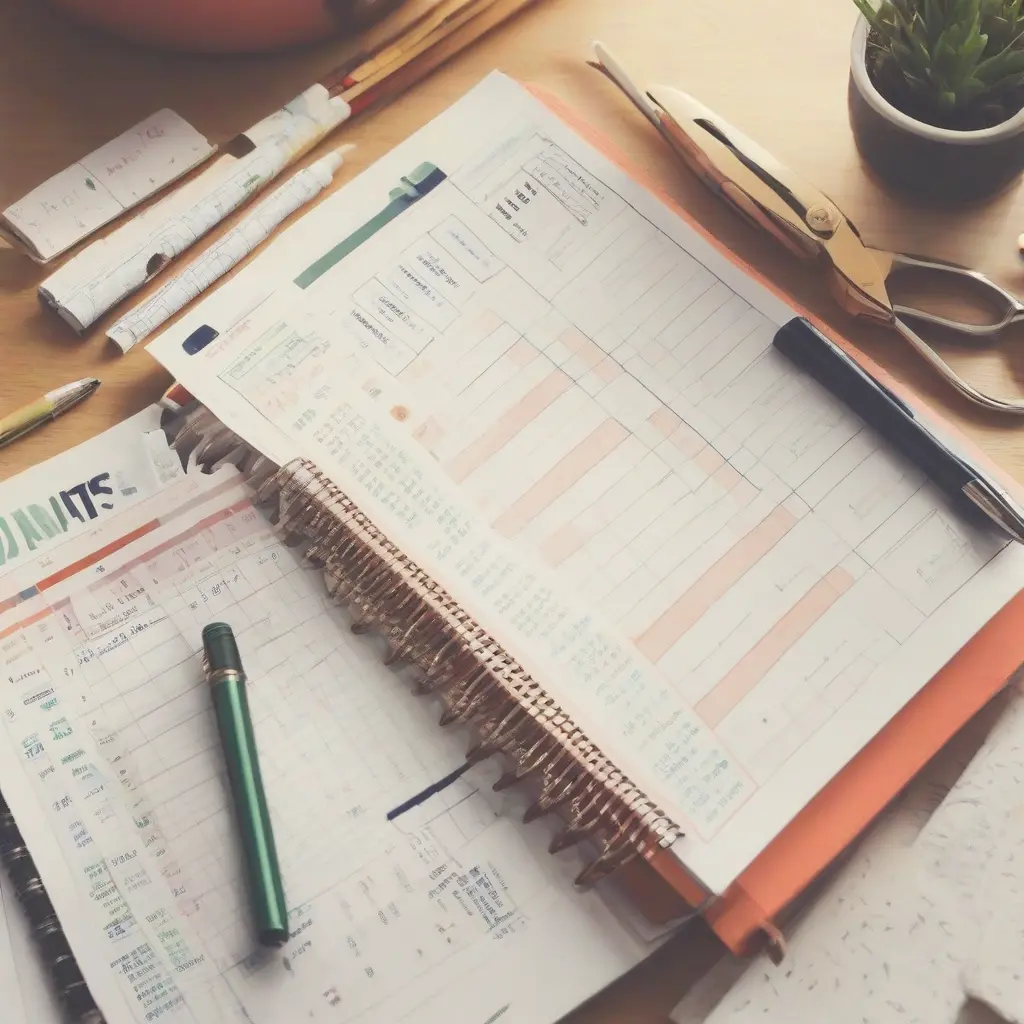
Designing the layout of your budget planner is a critical step in the DIY process. You can choose between a physical planner, a digital spreadsheet, or budgeting apps depending on your preferences. A common layout includes sections for income, fixed and variable expenses, savings goals, and discretionary spending. Consider using checkboxes to track expenses or color-coding categories for easier readability. The key is to create a format that is both functional and visually appealing, making it easy to stick to your budget.
Monitor Your Spending Regularly
Once your budget planner is set, monitoring your spending is essential for staying on track. Regularly review your budget to see how your actual expenses align with your planned allocations. This practice helps identify patterns and allows for timely adjustments if certain areas are consistently overspent. Make it a habit to check your planner weekly or monthly, ensuring you stay accountable and informed about your financial situation. Consistent monitoring can also reveal opportunities for savings or necessary changes to your budget.
Adjust Your Budget as Needed
Flexibility is core to effective budgeting; hence, adjusting your budget as needed is important. Life changes, such as a new job, moving, or unexpected expenses, may necessitate a budget overhaul. If you find certain expenses are consistently higher than planned, re-evaluate those categories and make necessary cuts or shifts. A DIY budget planner should serve as a living document that evolves with your financial circumstances, allowing you to stay aligned with your goals while adapting to life’s unpredictability.
Utilizing Technology for Budgeting
In today’s digital age, leveraging technology can enhance your budgeting process significantly. Several budgeting apps and online tools can help automate tracking, analyze spending patterns, and create financial reports. Popular apps allow you to sync bank accounts, set reminders for bills, and generate visual insights into your spending habits. While a DIY planner can be a great start, integrating technology can enhance your awareness and engagement with your financial journey, making it easier to stay on top of your budget.
The Benefits of a DIY Budget Planner
Creating a DIY budget planner offers numerous benefits beyond simple financial tracking. It empowers you by providing a sense of control over your finances, fostering better financial habits. Additionally, designing your own planner allows you to customize it specifically to your preferences and financial situation. You can make it as detailed or as straightforward as you desire, providing an efficient way to visualize your financial goals. The sense of achievement from successfully managing your budget can also boost your confidence in handling personal finances.
Common Budgeting Mistakes to Avoid
Even the best-planned budgets can fall short without attention to detail. Common budgeting mistakes include underestimating expenses, not tracking small expenditures, and failing to account for irregular costs. Many individuals also make the error of sticking rigidly to their budgets, resulting in discouragement when reality doesn’t match expectations. Another common pitfall is forgetting to revisit and update the budget regularly. By being aware of these mistakes, you can create a more effective budget and maintain financial stability.
Conclusion
A DIY budget planner is a powerful tool that can simplify your financial management journey. By understanding your financial goals, gathering necessary information, and choosing the right budgeting methods, you can create a personalized plan that resonates with your lifestyle. Regular monitoring and adjustments will ensure that your budget remains relevant to your changing needs. As you gain experience, the benefits of budgeting will become evident, paving the way toward a more secure financial future.