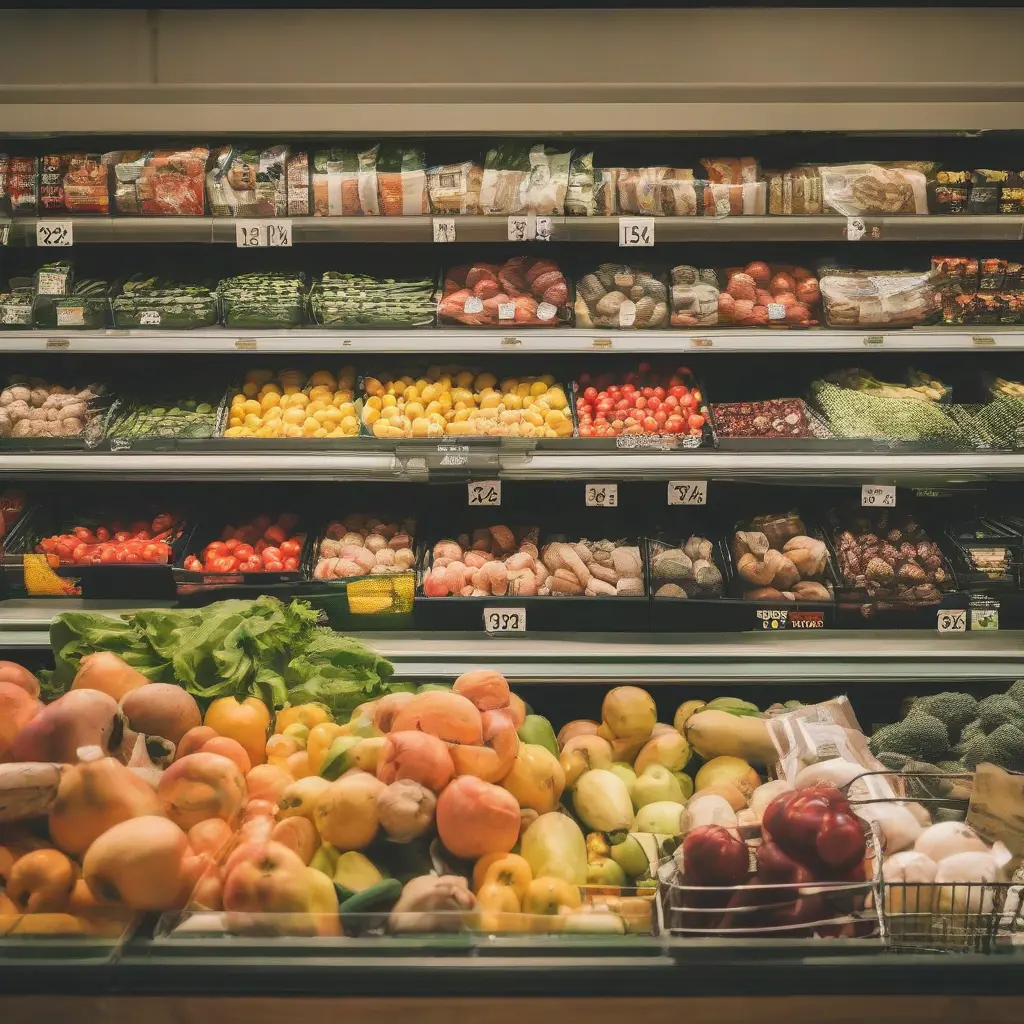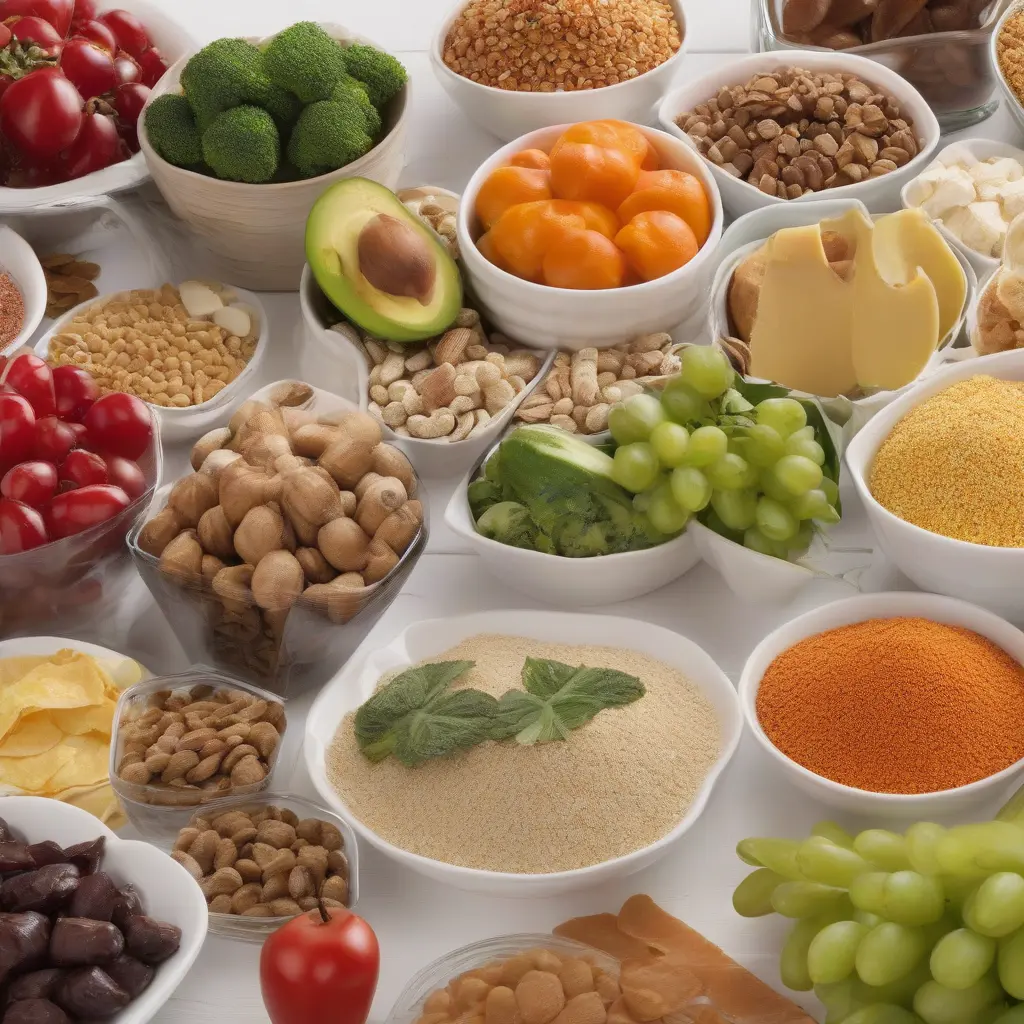
Specialty diet foods, such as gluten-free, vegan, or keto options, often come with a hefty price tag, making it challenging for budget-conscious shoppers. However, there are various strategies to save money while maintaining a healthy lifestyle. By planning, researching, and making small adjustments, you can find affordable specialty foods that meet your dietary needs. This guide will explore practical tips to help you maximize your grocery budget without sacrificing quality.
Plan Your Meals Ahead of Time
One of the most effective ways to save money on specialty diet foods is by planning your meals in advance. Create a weekly meal plan that incorporates the dietary foods you need. This approach prevents impulse buys and ensures you’re only purchasing items you will actually use. Utilize sales and seasonal fruits and vegetables when crafting your plan. Meal planning not only helps you stick to your budget but also reduces food waste, which is a significant issue for most households.
Utilize Grocery Store Apps and Coupons
Many grocery store chains offer apps that include digital coupons, sales, and weekly promotions specifically for specialty diet foods. Take advantage of these tools to find discounts on items you frequently buy. Also, look for traditional coupons in newspapers or online coupon websites. By combining coupons with store sales, you can significantly reduce your overall grocery bill. Always keep an eye out for loyalty programs that provide additional savings or rewards for future purchases.
Buy in Bulk
Purchasing specialty diet foods in bulk can lead to substantial savings over time. Many health food stores and co-ops offer bulk sections where you can buy items like grains, nuts, and dried fruits at a lower price per unit. This is especially beneficial for non-perishable goods that you can store for extended periods. Additionally, if you belong to a local community or co-op, consider organizing bulk purchases with others to maximize savings while ensuring that you all receive the products you need.
Shop Seasonal and Local Produce
Buying seasonal and local produce is not only great for your budget but also for your health. Seasonal fruits and vegetables tend to be less expensive and more flavorful because they are harvested at their peak. Furthermore, local markets often offer better deals compared to larger grocery chains. Support local farmers by visiting farmer’s markets or joining a Community Supported Agriculture (CSA) program. This way, you can obtain fresh, organic, and specialty diet-friendly produce at a fraction of the cost.
Explore Alternative Brands
When shopping for specialty diet foods, consider looking for alternative brands that offer similar products at lower prices. Many generic or store brands provide quality options that cater to various dietary needs without the premium price tag. Compare ingredient lists and nutritional information to ensure that you are not sacrificing quality for cost. By being flexible about brands, you can find great substitutes that fit your budget while still meeting your dietary requirements.
Prepare Your Own Meals
One of the biggest expenses with specialty diet foods is pre-packaged meals and snacks. By preparing your own meals at home, you can not only save money but also control the ingredients you use. Invest time in meal prep during the weekends by making larger batches of soups, stews, or casseroles that can be frozen for later. This approach allows you to customize your meals to fit your diet while avoiding the high markup often associated with convenience foods.
Take Advantage of Online Resources
The internet is a treasure trove of information for those seeking to save on specialty diet foods. Websites, blogs, and forums often share budget-friendly recipes and shopping tips. Many brands also have online offers exclusive to website visitors. Joining social media groups related to specialty diets can provide you with insider tips on where to find deals and offers. Track these resources regularly to keep updated on promotional events and discount codes from online retailers.
Be Mindful of Portion Sizes
Paying attention to portion sizes can make a significant difference in your overall grocery spending. Many specialty diet foods, especially snacks, are packaged in servings that may not be necessary. Instead of consuming a handful of nuts or chips each time, measure out appropriate portions. This not only helps manage consumption but can also stretch specialty foods further. Being mindful of how much you eat helps prevent waste and makes your specialty items last longer.
Mix Expensive Items with Cheaper Staples
Combining your specialty diet foods with cheaper staples can help manage costs effectively. For instance, if you are following a gluten-free diet, pair gluten-free grains, which might be costly, with less expensive fruits, vegetables, or proteins. By filling out your meals with affordable items, you can keep your overall costs down without skimping on the quality of specialty foods. This strategy allows you to enjoy your specialty items while staying well within your budget.
Consider Plant-Based Options
Incorporating more plant-based foods into your diet is a smart strategy to save cost on specialty items. Plant-based proteins, such as beans, lentils, and peas, tend to be cheaper and are versatile enough to fit various dietary restrictions. These foods can serve as the foundation of meals, allowing you to save on more expensive protein sources. Decreasing reliance on pricey specialty foods by amplifying your intake of plant-based foods can enhance both your health and your grocery budget.
Conclusion
Saving on specialty diet foods does not have to be a daunting task. By employing strategic approaches such as meal planning, shopping smarter, and being resourceful, you can enjoy maintaining your dietary preferences without stressing your budget. From exploring bulk buys to using online tools, these actionable tips offer a holistic approach to grocery shopping. With a little effort and creativity, you can put delicious, healthy foods on your table while keeping your finances intact.