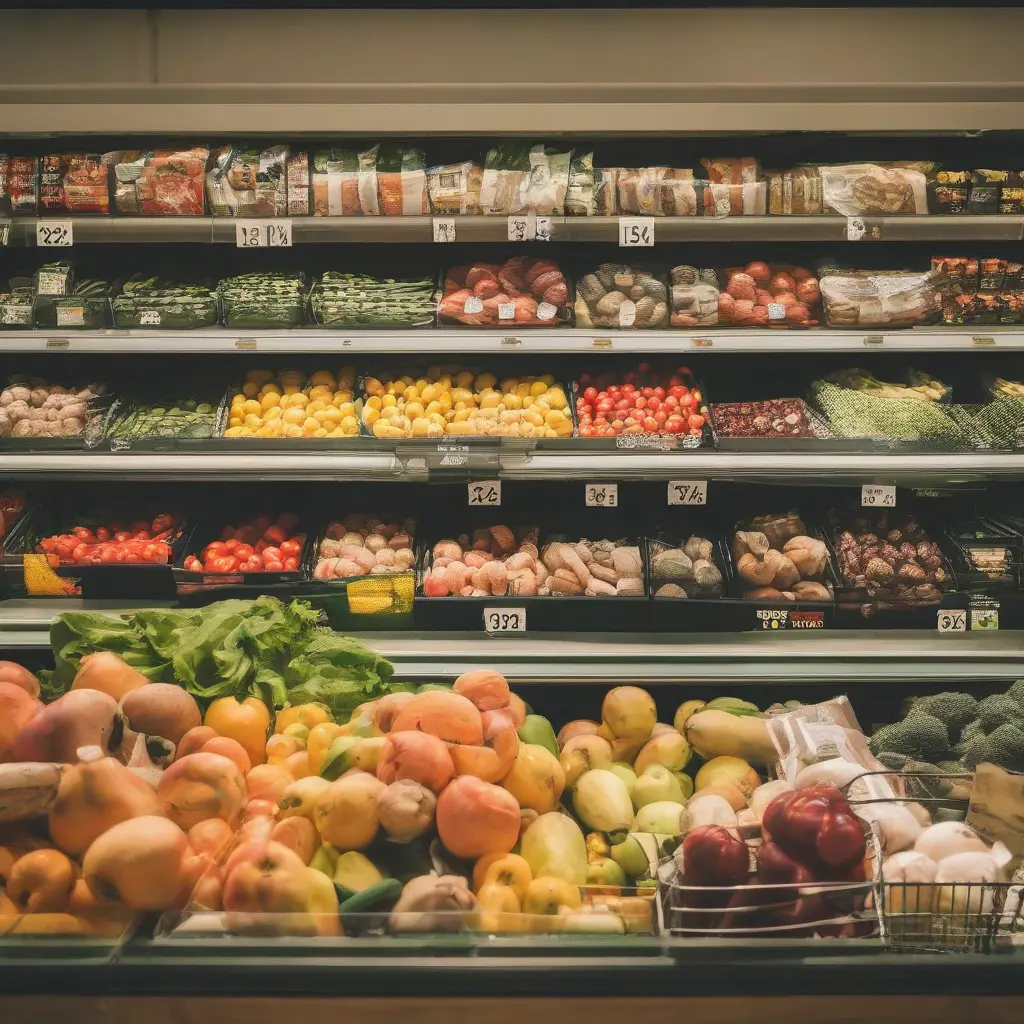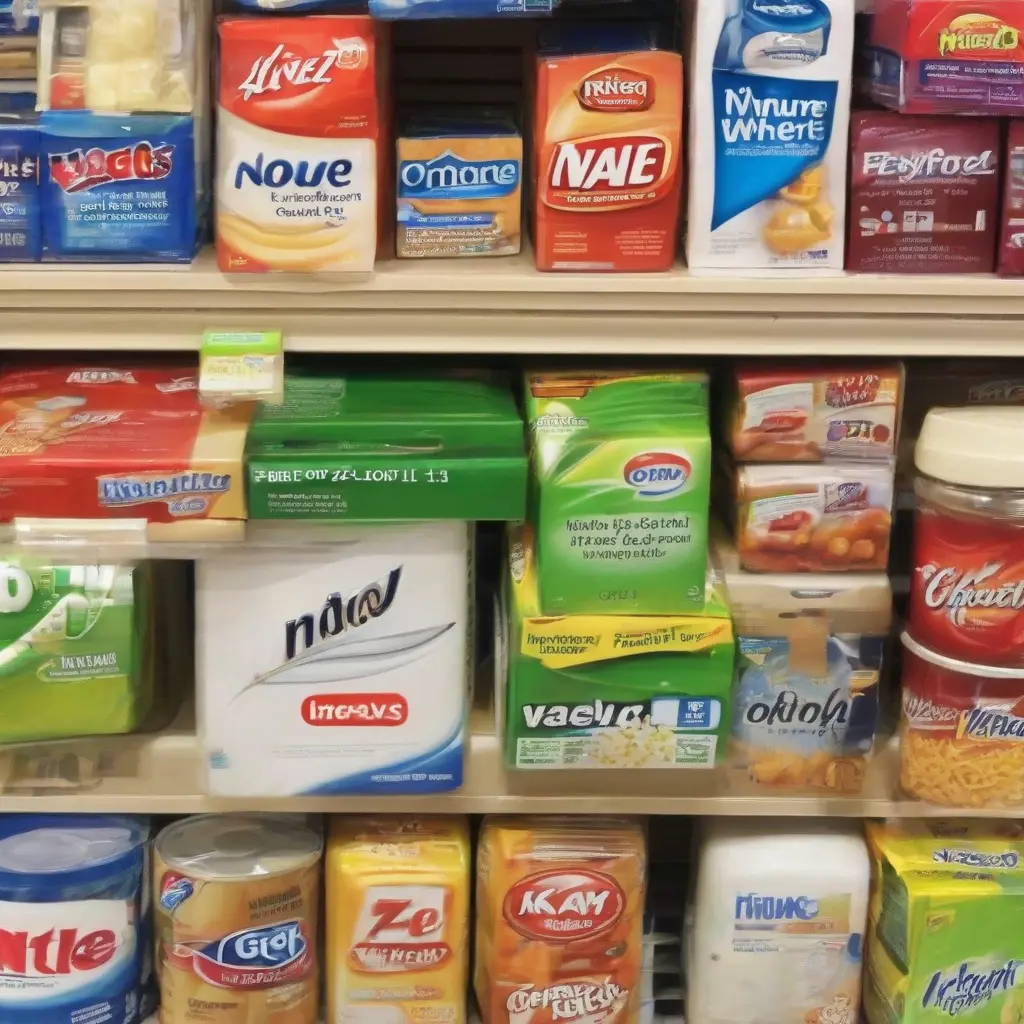
Navigating the grocery aisles can be a daunting experience, especially when faced with the choice between generic and name brand products. Each option presents its own set of advantages and disadvantages in terms of quality, price, and overall value. Understanding these factors is essential for making informed purchasing decisions that can significantly impact your grocery budget. By exploring key considerations such as quality comparisons, pricing strategies, health impacts, and personal preferences, you can more effectively determine which products belong in your shopping cart and maximize your savings.
Understanding the Basics of Generic vs. Name Brand
The distinction between generic and name brand products often boils down to branding and marketing strategies. Name brand products usually come from well-known companies that invest heavily in advertising, which can lead consumers to believe they offer superior quality. In contrast, generic products are often created by retailers and lack the marketing hype. While some may assume that name brands are always of higher quality, many generic options meet or exceed the same safety and quality standards set by regulatory agencies.
Quality Comparisons: Is Generic Good Enough?
When considering quality, it’s essential to look beyond packaging and branding. Most generic products are made with similar ingredients as their name brand counterparts, often produced in the same factories. Many consumers have reported finding little to no difference in taste or effectiveness between generic and name brands for staples such as cereals, canned goods, and cleaning supplies. Conducting taste tests or sampling products may help to identify those generic items that consistently meet quality expectations for your household.
Price Considerations: What Are You Really Paying For?
Price disparities between generic and name brand products can be significant, making it crucial to analyze your overall spending. Generally, generic products are priced lower, offering consumers a cost-effective alternative. However, some name brands may have sales or coupons that make them comparably priced to generics. In some cases, bulk buying name brands during promotions can result in savings. Keeping an eye on store specials and using price comparison apps can be excellent strategies for maximizing savings while also ensuring quality.
Health Considerations: Ingredients and Nutritional Value
When shopping for groceries, health considerations cannot be overlooked. Many consumers prefer to scrutinize labels for ingredients and nutritional value. While most generic products strive to match the quality and composition of name brands, there can be discrepancies in specific nutrient content or ingredients used. For example, some generic snacks may contain less fiber or higher sugar levels than their name brand equivalents. Always reviewing nutritional labels will help consumers make informed choices that align with their dietary needs.
Personal Preference: Taste and Brand Loyalty
While cost and quality are vital, personal preferences also play a significant role in choosing between generic and name brands. Brand loyalty can be a powerful influence, stemming from childhood familiarity or specific tastes. Some consumers might prefer the flavor profiles of certain name brands, making the extra cost worth it. Conversely, adventurous shoppers may be more willing to try generic alternatives, leading to new discoveries and potential savings. Ultimately, individual taste preferences should also be considered when deciding what products to purchase.
Consumer Reviews and Recommendations
Leveraging consumer reviews can provide insights into the quality and value of both generic and name brand items. Platforms such as online retail websites and social media are filled with user experiences that can guide buyers in their decisions. Many shoppers share their honest opinions about taste, quality, and satisfaction, allowing you to make more informed choices. Additionally, discussing preferences and recommendations with friends or family can lead to valuable insights, helping you try alternatives you may not have considered.
Storing and Using Generic Products Effectively
Finding the right storage methods for grocery items can enhance the value of your purchases, especially with generic products. Proper storage can extend the shelf life and maintain the quality of food items, ensuring that you maximize your savings. For instance, organizing your pantry, employing airtight containers, and keeping perishables in optimal conditions can prevent waste. Effectively using leftovers and planning meals around products can also help in making the most of purchased items, regardless of whether they are generic or name brand.
Trial and Error: Finding What Works for You
When it comes to grocery shopping, trial and error is an effective approach to discovering what products suit your needs. Don’t hesitate to experiment with various generic options, especially for items you regularly purchase. You may find that a generic product exceeds your expectations, leading to significant savings over time. Keeping a flexible mindset can help you assess and adapt your shopping habits, enabling you to strike a balance between cost, quality, and personal preference effectively.
Conclusion
Deciding between generic and name brand products involves weighing multiple factors, including quality, price, health concerns, and personal preferences. By taking the time to analyze these elements, you can make informed purchasing decisions that effectively maximize your grocery savings. Remaining open to trying new products and utilizing available resources, such as consumer reviews, can enhance your shopping experience and lead to sustainable financial benefits in the long run.