Community Supported Agriculture (CSA) is an innovative approach to local farming that connects consumers directly with farmers. By purchasing a share of a farm’s harvest in advance, participants enjoy fresh, seasonal produce while supporting local agriculture. This model not only fosters sustainability but also cultivates a sense of community. Interestingly, one of the primary benefits of joining a CSA is the potential for grocery savings. In this article, we will delve into various ways that CSA memberships can lead to substantial savings and offer a healthier, more responsible alternative to conventional grocery shopping.
Understanding Community Supported Agriculture (CSA)
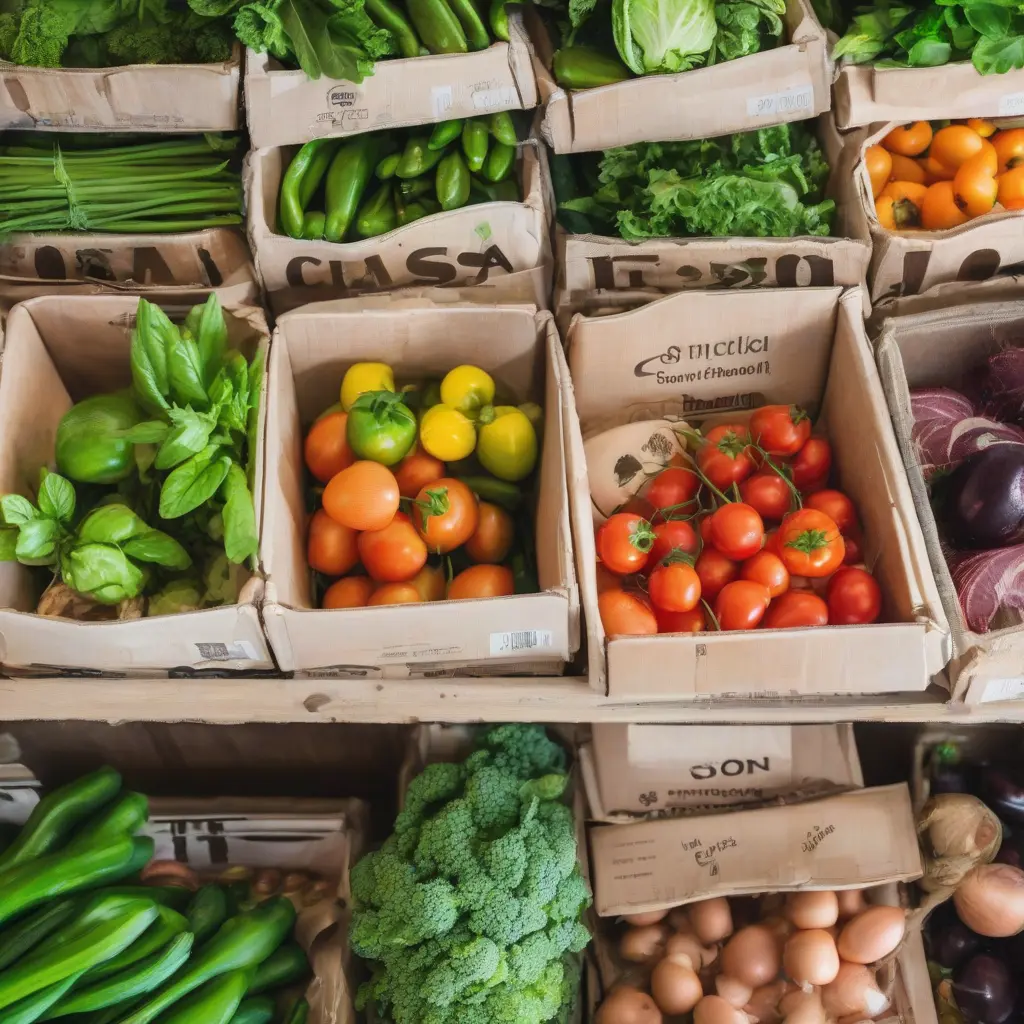
Community Supported Agriculture (CSA) is a farming model where consumers buy shares in a farm’s produce for the season. When individuals invest in a CSA, they support local farms and receive fresh, seasonal produce directly from the source. Members typically receive weekly boxes of fruits and vegetables, varying by harvest. This arrangement benefits farmers by providing them with capital upfront for planting and maintaining crops. Additionally, CSAs often have lower overhead costs compared to traditional grocery stores, which can result in savings that are passed on to members.
Cost Savings Compared to Traditional Grocery Stores
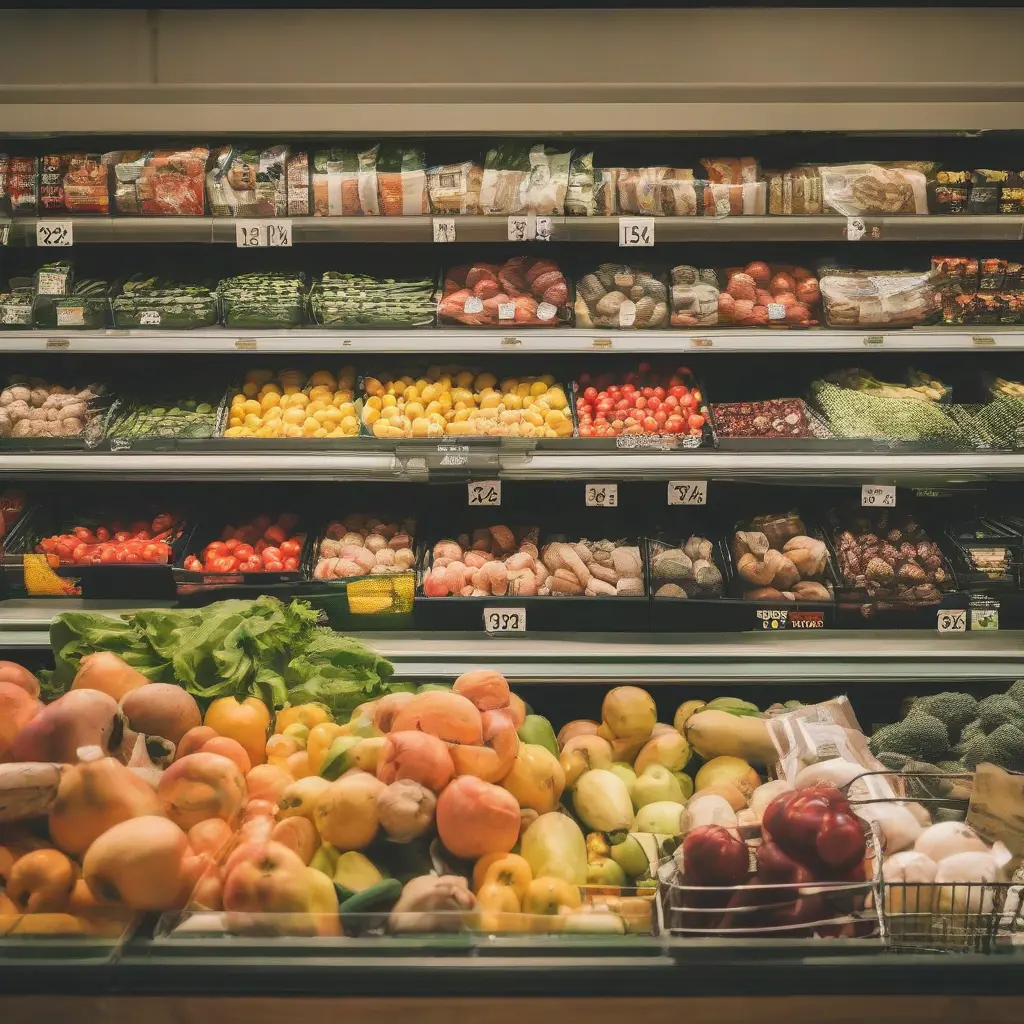
Participating in a CSA often leads to cost savings when compared to traditional grocery shopping. CSAs frequently offer high-quality, organic produce at a lower price percentage per pound than supermarkets. Because CSAs eliminate intermediary steps such as delivery and packaging expenses, the savings can be substantial. Moreover, consumers often receive an abundance of seasonal fruits and vegetables, which can reduce grocery bills substantially. Buying in bulk through a share can also encourage families to consume a wider variety of produce, enhancing nutrition while keeping costs low.
Reduction of Food Waste and Increased Value
A lesser-known benefit of CSAs is their ability to reduce food waste. Since members receive seasonal produce, it encourages consumers to plan meals around what is available, leading to less spoilage and waste. Additionally, many CSAs follow sustainable farming practices, producing less overall waste in their operations. This reduced waste translates to savings for members, who enjoy high-quality, fresh produce without the risk of purchasing items that go bad before being used. This dynamic creates a sense of responsibility among participants, further maximizing the value of their investment in a CSA.
Enhanced Dietary Diversity and Health Benefits
Joining a CSA encourages dietary diversity, as members often receive a wide variety of fruits and vegetables that may not be available at local grocery stores. This diversity promotes healthier eating habits and increases the intake of essential nutrients. Exposure to new and interesting produce can inspire members to experiment with cooking, enhancing their culinary skills and appreciation of fresh foods. Moreover, greater reliance on seasonal eating supports the body’s nutritional needs throughout different parts of the year, resulting in an overall improved health profile for families invested in their CSA.
Supporting Local Farmers and Sustainable Practices
One significant advantage of joining a CSA is the opportunity to support local farmers and sustainable agriculture. This direct connection helps sustain the local economy, allowing farmers to thrive and encourage environmentally friendly farming practices. By investing in community agriculture, consumers contribute to their region’s agricultural resilience, promoting practices that protect soil, water, and biodiversity. This commitment to local farming not only benefits individual members through grocery savings but also fosters a connected community championing sustainable food systems.
Convenience of Pre-packed Produce
CSA members enjoy the convenience of receiving pre-packed produce tailored to the season. This eliminates the need for frequent grocery shopping trips, saving both time and transportation costs. Weekly deliveries mean that families have fresh produce readily available without the hassle of navigating grocery aisles. Many CSAs also provide recipes or preparation tips with their produce boxes, further enhancing the convenience factor. This organization allows for better meal planning, as members can create dishes based on what they receive, leading to healthier choices and less food-related stress.
Community Engagement and Education
CSAs often foster community engagement through events, farm tours, and workshops designed to educate members about sustainable agriculture, cooking, and nutrition. These opportunities create a bond among community members, encouraging them to learn together while supporting local farmers. Educating consumers on how to prepare and utilize farm-fresh produce can help transform their eating habits and empower them to take charge of their nutrition. Participation in these activities can also enhance the CSA membership experience, creating lasting connections that benefit the entire community.
Choosing the Right CSA for Your Needs
When selecting a CSA, it’s crucial to consider personal dietary preferences and family needs. Different CSAs offer varying types of produce, delivery schedules, and pricing structures. Some may focus on organic practices, while others might include meat or dairy options. Exploring local CSA options and sharing experiences with friends and family can help potential members find the best fit. Evaluating what each CSA has to offer in terms of quality, variety, and additional services will ensure that reaching grocery savings is achievable while enjoying the benefits of fresh, local produce.
Conclusion
In conclusion, Community Supported Agriculture offers numerous benefits for grocery savings, nutrition, and community engagement. By supporting local farms and embracing seasonal eating, consumers not only enjoy substantial savings but also enhance their overall health and well-being. The opportunity to connect with farmers and fellow community members fosters a more sustainable relationship with food, ultimately leading to a healthier lifestyle and strengthened local economy. Exploring CSAs could be a rewarding decision for those looking to optimize their grocery spending and improve their relationship with food.