Grocery shopping is not just about filling your cart; it’s an exercise that can lead to significant savings if approached strategically. By employing specific techniques and exercises while shopping, you can lower your overall grocery bills. These methods include planning your shopping trips, utilizing lists to avoid impulse buys, and optimizing your use of coupons and promotions. Understanding how to navigate grocery stores with intention can transform your shopping experience from a mundane task to a financially beneficial endeavor. Let’s explore various exercises that can help maximize your savings.
Understanding Grocery Store Layouts
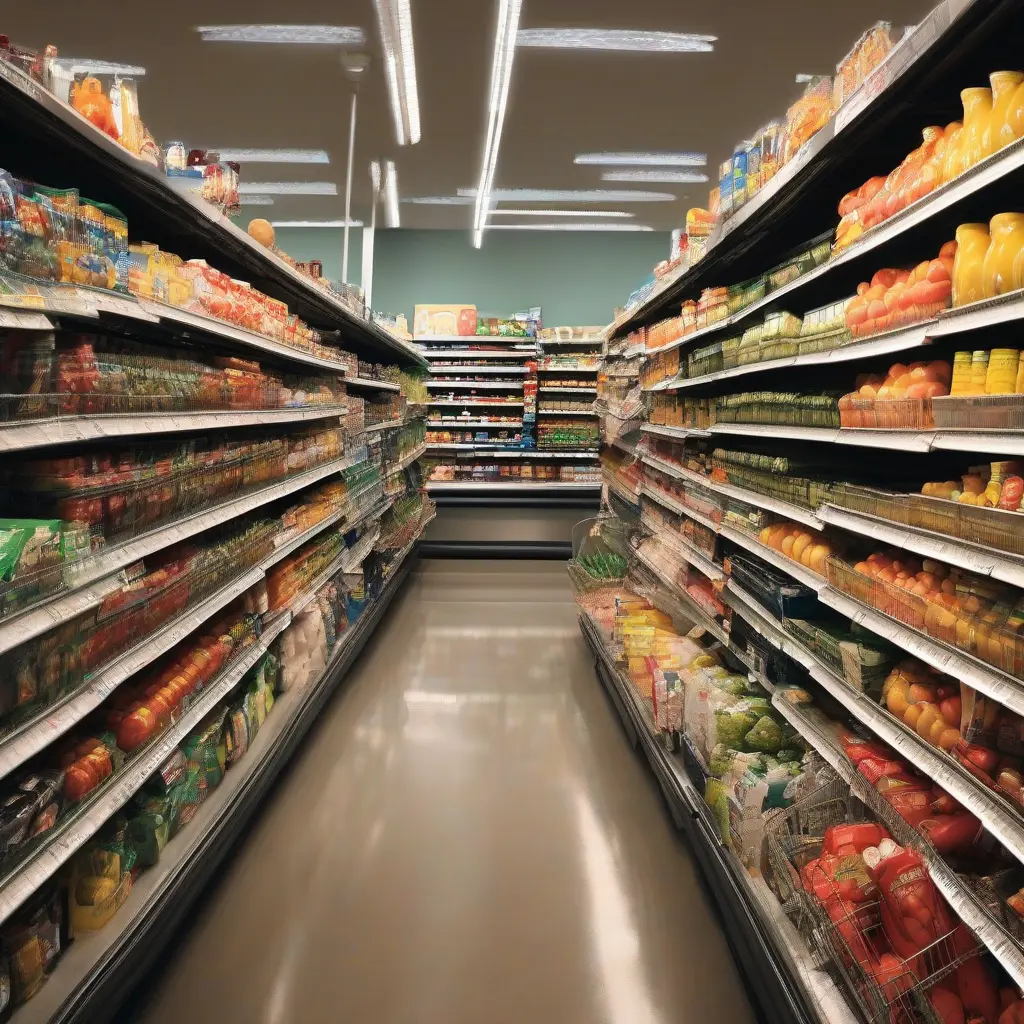
Familiarizing yourself with the layout of grocery stores is crucial for saving money. Most stores are designed with essentials located at the back, encouraging shoppers to travel past alluring displays of junk food and promotions. By mapping out your grocery store route beforehand, you can strategically avoid unnecessary purchases. Make a mental note of where products you regularly buy are located, and stick to those aisles. This knowledge can help eliminate impulse buys and keep you focused on your shopping list, thereby minimizing unplanned expenses.
Creating a Grocery Shopping List
One of the most effective exercises to save money while grocery shopping is creating a comprehensive list. Before heading to the store, plan your meals for the week and note down only the items you need. Stick to this list as closely as possible—resisting the temptation to add extra items can significantly decrease your spending. When shopping without a list, it’s easy to purchase items that you may not need and forget essentials. A well-planned grocery list not only keeps your budget in check but also streamlines your shopping experience.
Utilizing Coupons and Discounts
Another critical exercise in saving money is effectively using coupons and discounts. Many stores offer weekly discounts, digital coupons, and loyalty programs designed to reward regular shoppers. By taking the time to search for and organize these coupons before shopping, you can maximize your savings. Consider using coupon apps or websites that aggregate offers, making it easier to discover savings opportunities. Remember, pairing coupons with store sales can lead to double discounts, which is a smart way to stretch your grocery budget further.
Timing Your Grocery Visits
The timing of your grocery shopping trips can also play a significant role in saving money. Aim to shop during off-peak hours when stores are less crowded, typically late at night or early in the morning. This not only makes for a more pleasant shopping experience but can also lead to better deals. Many supermarkets mark down items that are nearing their expiration dates during slow periods, providing an excellent opportunity to score discounts on perishable goods. Awareness of timing can lead to uncovering unexpected savings.
Exploring Store Brands
When looking to save, consider opting for store-brand products instead of their name-brand counterparts. Many grocery stores offer high-quality, lower-cost alternatives that provide the same nutritional value. By trying these products, you can often save a considerable amount without sacrificing quality or taste. Make it a habit to compare prices between name brands and store brands while shopping. This simple exercise in product selection can lead to significant savings that add up over time, enhancing your grocery budget.
Buying in Bulk
Buying in bulk is another effective strategy for saving money on groceries. Purchasing items in larger quantities often results in a lower per-unit cost. This is particularly useful for non-perishable items like grains, canned goods, and household products. However, ensure that you only buy what you can realistically use before items expire. Planning meals around bulk purchases can help reduce waste and maximize savings. Additionally, consider splitting bulk items with friends or family if storage is a concern.
Meal Prepping and Planning
Meal prepping is an excellent exercise for those looking to save money at the grocery store. By preparing meals in advance, you can make deliberate purchasing decisions and avoid the temptation of takeout or pre-packaged meals that are often more expensive. Spend some time each week planning your meals and cooking in batches. Not only does this save money, but it can also reduce food waste and promote healthier eating habits. The more organized your meals are, the less likely you are to overspend.
Reducing Food Waste
Reducing food waste is an essential step in maximizing grocery savings. Familiarize yourself with proper storage techniques to prolong the lifespan of your groceries. Utilize older food items first and incorporate leftovers into new meals to minimize disposal. Keep track of what you already have at home to avoid purchasing duplicates. This creates a more efficient shopping cycle, helping you save money while ensuring that nothing goes to waste. Being conscious of food waste ultimately supports your overall grocery budget.
Staying Informed on Seasonal Produce
Buying seasonal produce is a smart financial move to enhance savings while grocery shopping. Seasonal fruits and vegetables are often less expensive due to higher availability. Stay informed about what’s in season in your area, and plan your meals around these items. Not only will this help keep costs down, but it also means fresher, tastier ingredients on your plate. Keep in mind that farmers’ markets can be excellent places to find seasonal produce at lower prices, providing an additional opportunity for savings.
Using Cashback Offers
Utilizing cashback offers is a proactive way to save money while grocery shopping. Many credit cards and apps provide cashback on grocery purchases, allowing you to earn a small percentage back on your spending. However, it’s essential to pay off your card balance immediately to avoid interest charges, which could negate the savings. Research different cashback programs to find options that suit your shopping habits. This exercise not only rewards your grocery spending but can also contribute positively to your overall budget.
Reviewing Receipts for Savings
After each grocery shopping trip, reviewing your receipts can provide valuable insights into your spending patterns. This exercise helps identify areas where you can improve and find better deals in the future. Take note of any items that were more expensive than expected or could have been replaced with cheaper alternatives. Keep track of what you regularly purchase, and look for trends or potential areas for savings, such as frequently overlooked discounts or promotional offers that you can capitalize on next time.
Conclusion
Harnessing the power of grocery shopping exercises is an effective way to save money and make informed purchasing decisions. By employing strategies such as creating lists, utilizing discounts, and investing in meal prep, you can significantly reduce your grocery expenses. Staying mindful of your shopping habits and remaining organized will not only help you save money but also encourage healthier eating practices. By implementing these techniques, you can transform your grocery shopping experience into an opportunity for financial success.