Utilizing local farmer’s markets can be a game-changer when it comes to cutting down on grocery expenses. These vibrant marketplaces not only provide access to fresh, seasonal produce, but they also foster a connection between consumers and local farmers. By buying directly from producers, you often find lower prices compared to typical grocery stores. Plus, supporting local agriculture can have a positive impact on your community’s economy. This article will explore various strategies for shopping at farmer’s markets efficiently and effectively, ensuring you’ll maximize savings while enjoying the freshest foods.
Understanding the Benefits of Farmer’s Markets
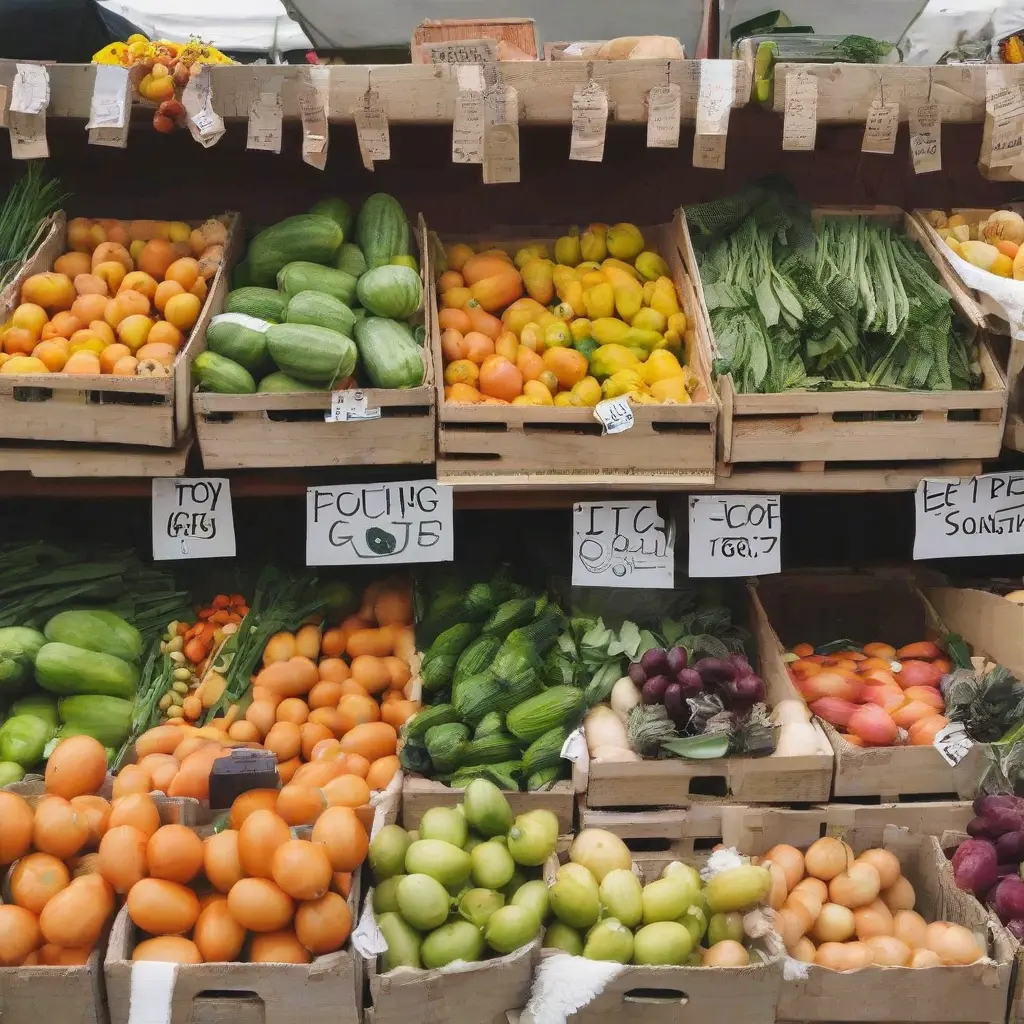
Farmer’s markets offer numerous benefits that extend beyond just cost savings. One of the primary advantages is the freshness of the produce. Items sold at these markets are often harvested just hours before sale, ensuring peak flavor and nutritional value. Additionally, many products are organic or sustainably farmed, providing healthier options than conventional grocery store fare. The direct connection to local farmers also means you can learn more about the growing practices and seasonal offerings, enriching your shopping experience while fostering community engagement.
Comparing Prices: Farmer’s Markets vs. Grocery Stores
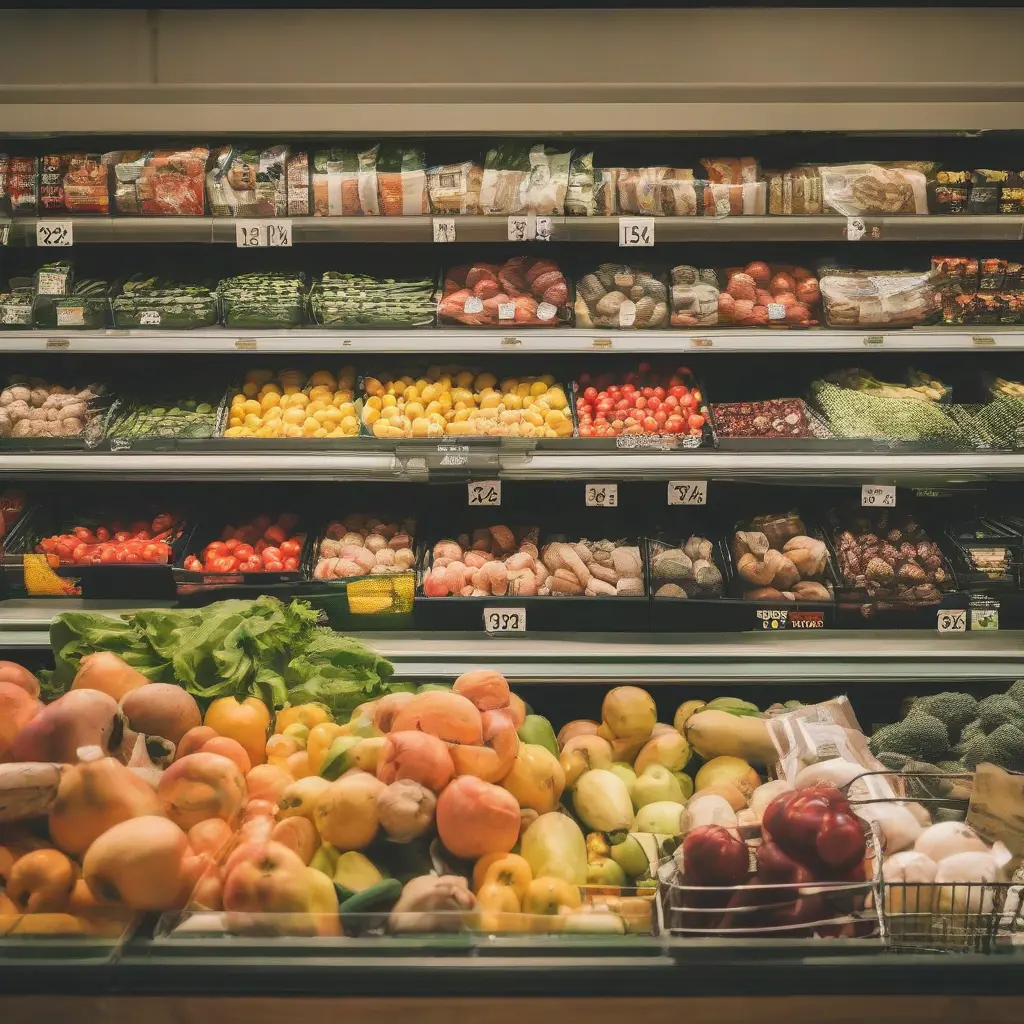
When comparing prices at farmer’s markets to grocery stores, many shoppers find that local vendors often offer lower prices on certain items. This is due to reduced overhead costs and the elimination of supply chain markups that grocery stores typically incur. Moreover, seasonal fruits and vegetables are usually cheaper at farmer’s markets, as they are sold at the peak of their harvesting season. Shoppers can take advantage of these lower prices by planning their meals around what’s available at the markets, allowing for budget-friendly and delicious dishes.
Planning Your Visit to Farmer’s Markets
To get the most out of your farmer’s market experience, planning your visit is essential. Research the market days and times in your area, as many markets operate only once a week. Create a shopping list based on what is in season to ensure you purchase the freshest produce at the best prices. Arriving early not only allows you to snag the best items but also gives you a chance to interact with farmers and learn more about their products, enhancing your purchasing decisions. Setting a budget beforehand can also help you avoid overspending.
Choosing Seasonal Produce for Savings
One effective way to cut grocery costs at farmer’s markets is by selecting seasonal produce. Many fruits and vegetables are cheaper and more abundant when they are in season, reflecting their natural harvest cycle. For instance, tomatoes and peppers are often less expensive in summer, while carrots and squash may see lower prices in fall. Familiarizing yourself with seasonal availability can help you make informed choices that maximize savings and ensure the freshest ingredients for your meals throughout the year.
Exploring Bulk Buying Options
Many farmer’s markets provide opportunities for bulk buying, which can lead to significant savings. Purchasing in larger quantities often lowers the price per unit and allows for better meal planning. For example, buying a bushel of apples could be more economical than purchasing by the pound. If you have ample storage space, consider dividing bulk purchases with friends or family to make the most of this option. This approach not only provides savings but also encourages community collaboration and sharing of resources.
Using Payment Programs and Coupons
Some local farmer’s markets participate in payment programs and offer discounts or coupons, which can further reduce your grocery expenses. Programs such as SNAP (Supplemental Nutrition Assistance Program) often provide matching incentives for purchases made at farmer’s markets. Additionally, keep an eye out for special promotions, such as loyalty cards or promotional events. Joining a market’s mailing list can also alert you to these deals, allowing you to save more while shopping on fresh, local produce.
Networking with Farmers for Best Deals
Building relationships with farmers can lead to better deals and personalized offers. When you become a regular customer, farmers may offer you discounts on bulk purchases or provide special access to their freshest goods. Engaging in conversations about their products and growing practices can enhance your understanding and increase trust, making it easier to request price reductions or inquire about upcoming sales. Networking not only benefits your wallet but also fosters a sense of community and support for local businesses.
Incorporating Local Products into Your Diet
By incorporating local products into your diet, you can enhance your meals while also supporting local farmers. Seasonal fruits and vegetables tend to be more flavorful and nutrient-rich than those shipped from far-off places. Experiment with new recipes based on what you find at the farmer’s markets, as this can encourage creativity in your cooking and prevent food waste. Embracing local ingredients may also allow you to discover new favorites and diversify your diet, enhancing both health and enjoyment.
Cooking and Preserving Seasonal Produce
Cooking and preserving seasonal produce is an effective strategy to maximize the value of your purchases from farmer’s markets. Techniques such as freezing, canning, and pickling allow you to enjoy and utilize a bounty of fresh ingredients long after the market season ends. Furthermore, preparing meals in large batches can reduce the need for frequent grocery trips and yield savings on both time and money. Learning to preserve food can also be a rewarding hobby that adds variety to your diet throughout the year.
Conclusion
In summary, utilizing local farmer’s markets presents a myriad of advantages for cutting grocery expenses. These markets offer fresh, seasonal produce often at lower prices than traditional grocery stores. By planning your visits, selecting seasonal items, networking with farmers, and exploring bulk buying options, you can maximize your savings while supporting local agriculture. Incorporating local products into your diet not only enhances your meals but also cultivates a sense of community. Embracing these practices can significantly contribute to healthful eating while keeping your grocery budget in check.