Meal planning can be a powerful strategy to save money on groceries, especially when combined with savvy shopping during sales and promotions. By strategically choosing when to shop and what to purchase, consumers can significantly cut down their grocery bills. This article explores effective meal planning techniques that revolve around understanding store sales, using loyalty programs, and taking advantage of seasonal promotions, all aimed at optimizing your food budget and reducing waste.
Understanding Weekly Sales Cycles
Most grocery stores operate on a weekly sales cycle, with new promotions typically starting on specific days. Familiarizing yourself with these cycles can lead to substantial savings. Track your local store’s sales flyers and identify recurring discounts on particular items, which will help you plan your meals accordingly. For instance, if chicken is on sale this week, consider planning dishes that incorporate it, maximizing the value of your purchases while ensuring that you are not overspending on a regular basis.
Utilizing Store Loyalty Programs
Many grocery stores offer loyalty programs that provide exclusive access to special sales, discounts, and promotions. Signing up for these programs is a smart move for anyone looking to save. Use the loyalty card to earn rewards points with each purchase, which can then be redeemed for future discounts. Additionally, take note of bonus promotions that match specific products or categories, guiding your meal planning to coincide with deals that align with your grocery needs.
Leveraging Seasonal Produce
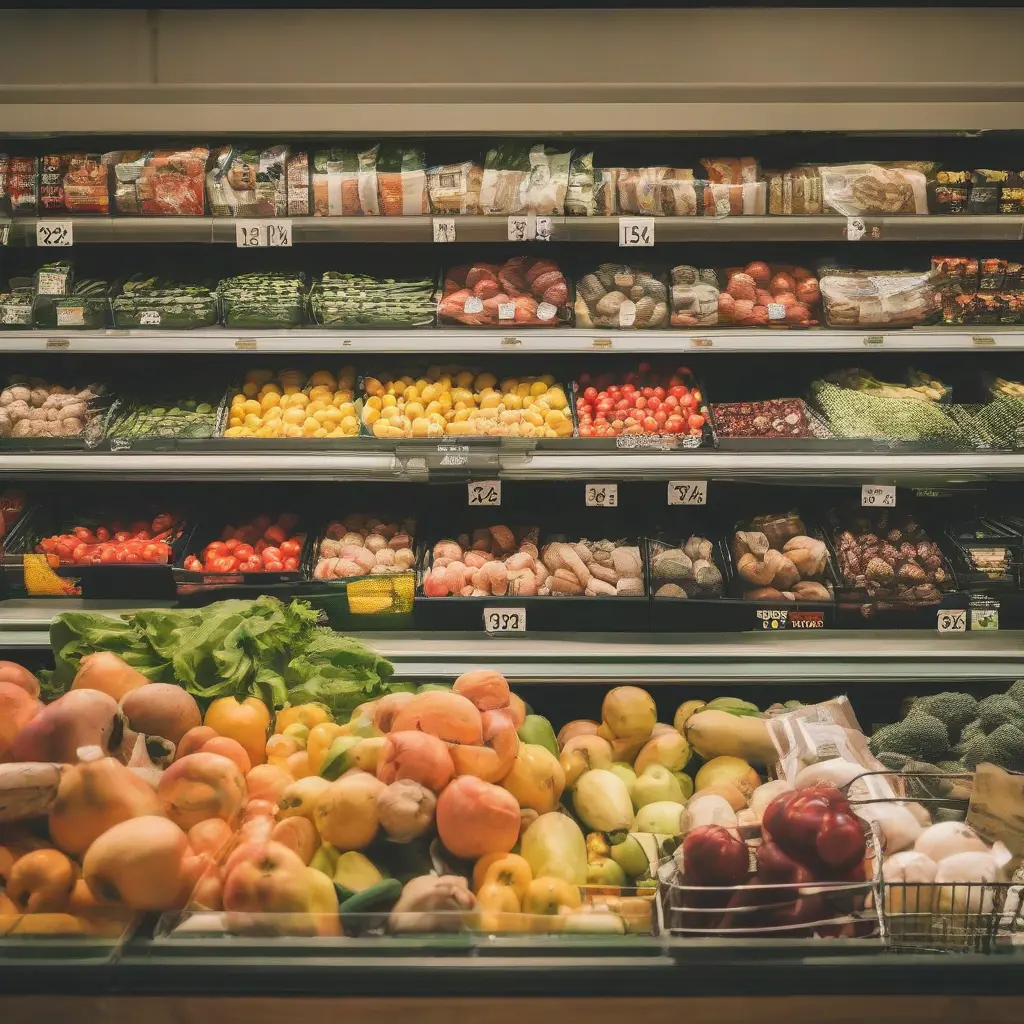
Purchasing seasonal produce can be a game changer when planning meals around sales. Not only is seasonal produce often cheaper due to its abundance, but it also tends to taste better. For example, buying tomatoes in peak summer avoids inflated prices found in winter. By structuring your meal plans around seasonal fruits and vegetables, you can create diverse, fresh meals while enjoying significant savings, reinforcing the importance of adjusting meal plans according to what’s available.
Planning for Bulk Purchases
Bulk buying can lead to considerable savings, especially for non-perishable items or products with a long shelf life. When planning your meals, look for opportunities to purchase items in larger quantities during sales. For instance, if pasta is discounted, consider buying enough for several weeks’ worth of meals. Ensure that your meal plan incorporates these bulk items to avoid spoilage, thus making the most of the money spent while having ample food on hand for future meals.
Creating a Flexible Meal Plan
A flexible meal plan allows you to adapt to unforeseen changes, such as additional sales or a shift in your weekly schedule. When planning meals, consider pairing staple items with those that are on sale, while prioritizing perishables first to prevent waste. Flexibility also means not being afraid to swap meals around based on what’s available. This adaptability ensures that your meal plan remains budget-friendly while still aligning with the best deals throughout each week.
Making Use of Leftovers Effectively
Incorporating leftovers into your meal planning can maximize savings and minimize waste. When preparing meals, cook larger portions and set aside leftovers for future lunches or dinners. This approach not only reduces food waste but also eliminates the need to purchase extra ingredients for new meals. Include creative ways to repurpose those leftovers—like transforming roast chicken into chicken salad—thus enabling you to enjoy variety without incurring additional costs.
Shopping During Off-Peak Hours
Shopping during off-peak hours can enhance your grocery experience and potentially lead to better deals. Many retailers mark down products that are nearing their sell-by date during less busy times. This is an ideal opportunity to pick up fresh items at a fraction of the regular price. By aiming to shop during these quieter periods, you not only avoid crowds but also increase your chances of snagging discounted products, which can be integral to your meal planning.
Taking Advantage of Digital Coupons
Digital coupons are increasingly popular and can provide substantial savings on groceries. Most major grocery chains offer mobile apps where shoppers can access exclusive discounts. Incorporate these digital coupons into your meal planning by matching them with sale items, thereby amplifying your savings. Additionally, regularly check coupon aggregators for double discounts that can further reduce your grocery bills while ensuring you have the freshest ingredients for your planned meals.
Incorporating Plant-Based Meals
Incorporating more plant-based meals into your diet can significantly reduce your grocery expenses. As meats are often more expensive, focusing on beans, lentils, and seasonal vegetables can yield savings while providing nutritious options. When planning your meals, consider at least two or three plant-based dinners each week. Not only is this better for your wallet, but it may also be beneficial for your health and the environment, making it a win-win situation.
Budgeting for Unexpected Expenses
Even with diligent planning, unexpected grocery expenses can arise. Allocating a small portion of your budget for unexpected purchases will allow for more flexibility while sticking to your meal plan. This separate fund can help cover last-minute items on sale that you hadn’t initially planned for but can benefit from including. Making room for these surprises in your budget ensures that savings from sales are utilized effectively and that your overall meal planning remains manageable.
Conclusion
Effectively meal planning around sales and promotions is a skill that can lead to significant savings on grocery expenses. By staying informed about store cycles, utilizing loyalty programs, and incorporating seasonal fruits and vegetables, you can maximize your food budget while enjoying a diverse range of meals. With flexibility and smart budgeting strategies, meal planning can transform how you shop and eat, ultimately contributing to a financially healthier household.