Navigating grocery store layouts can be a key strategy for maximizing savings on your shopping trips. Understanding how stores are organized allows shoppers to identify where to find discounts, what products to prioritize, and how to avoid impulse purchases. Familiarizing yourself with common layouts, strategic shopping habits, and timing can lead to significant savings. This guide will unpack various methods for taking advantage of grocery store setups effectively, ensuring that you find the best deals while making the most of your budget.
Understanding Grocery Store Layouts
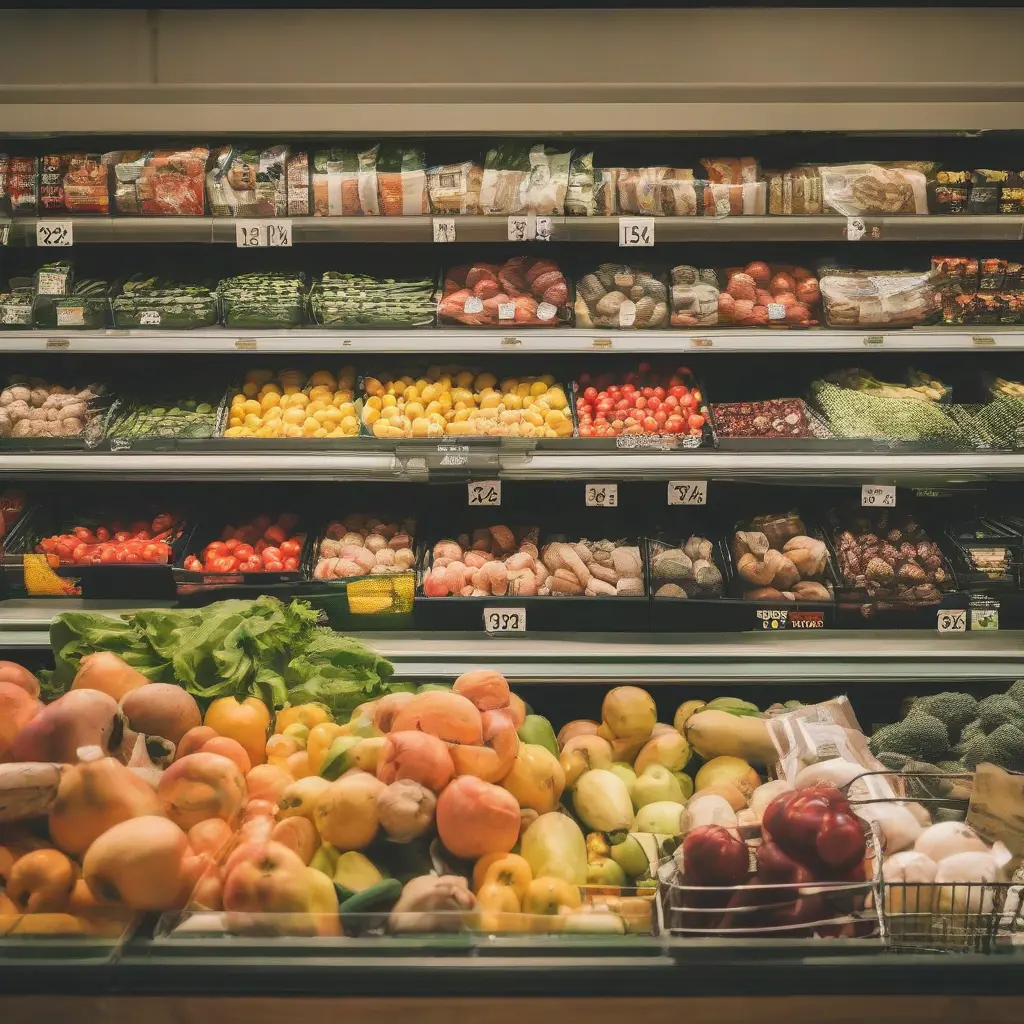
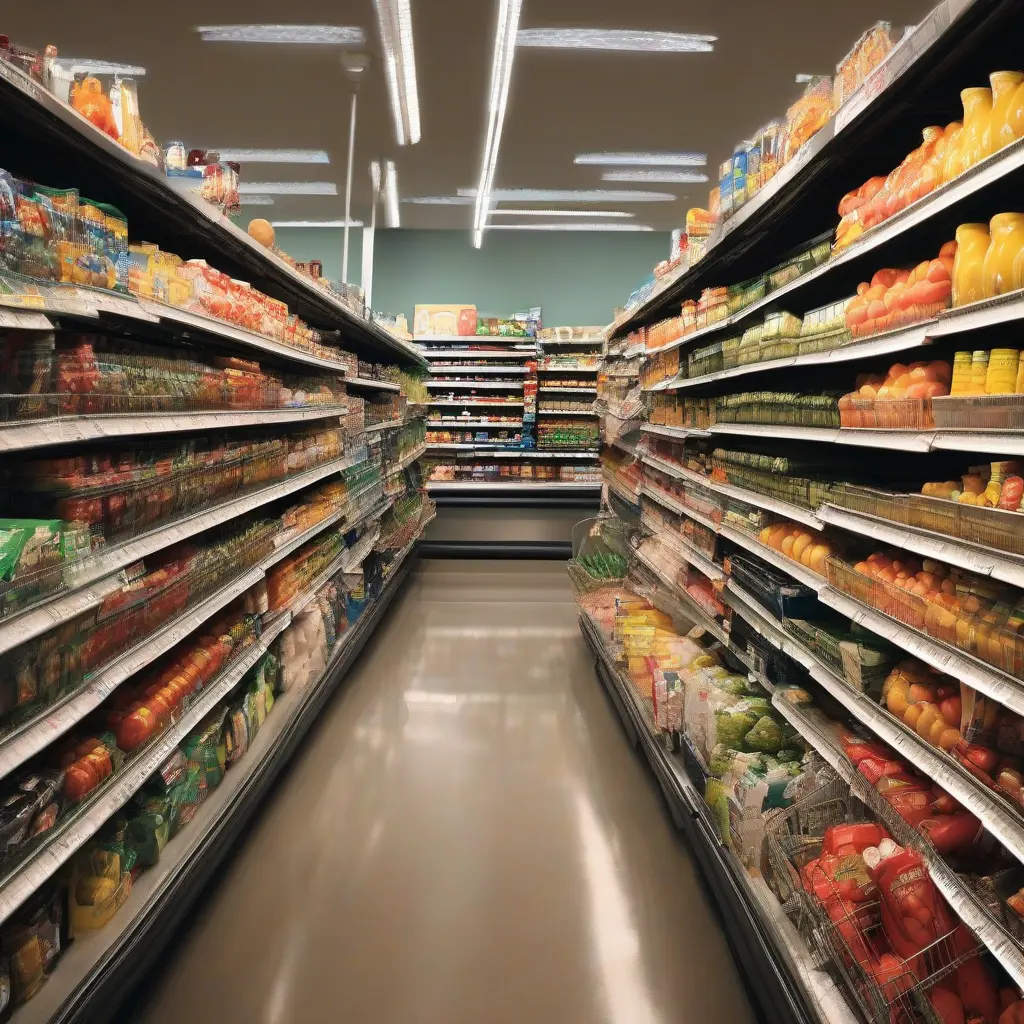
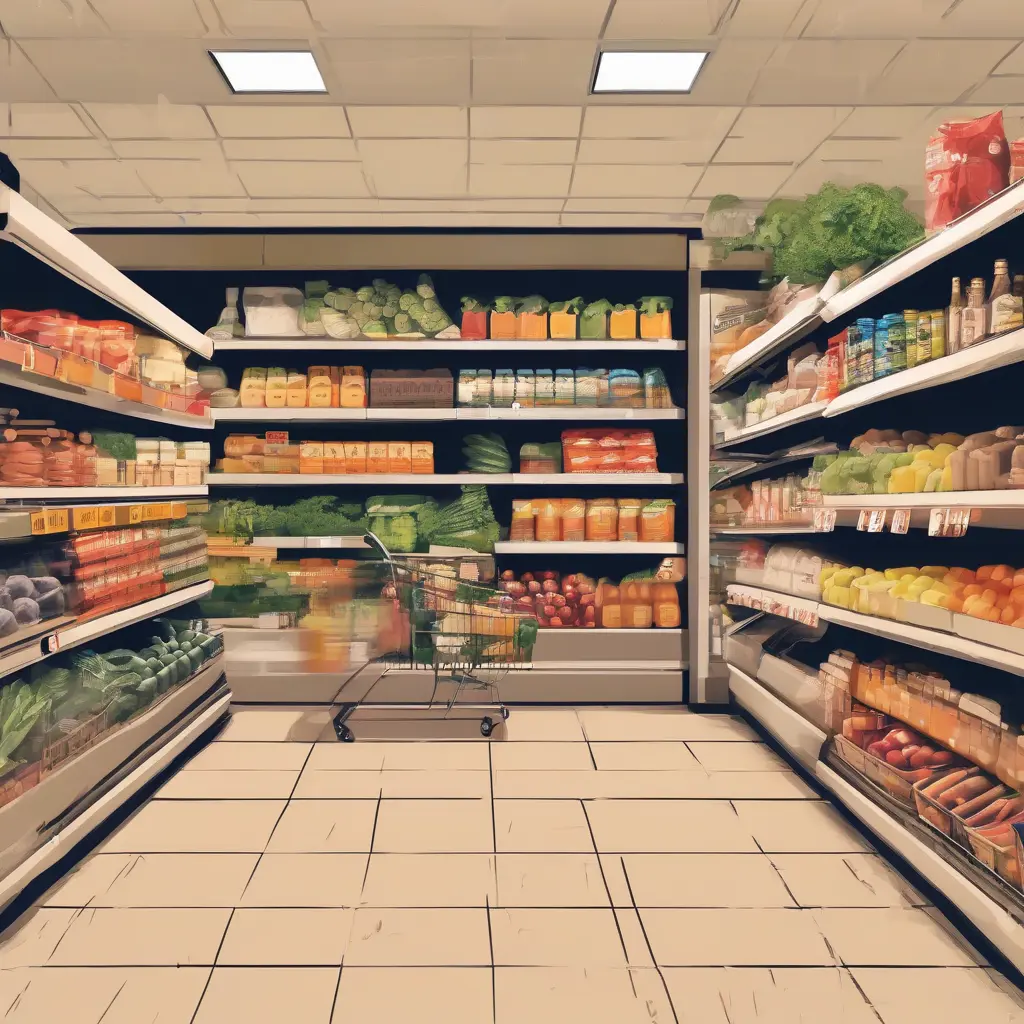
Most grocery stores follow a similar layout, which typically includes a perimeter and an interior aisle system. The perimeter usually houses fresh produce, dairy, and meats, which are staple items for a healthy diet. The aisles often contain packaged goods, snacks, and other processed foods. Recognizing this layout can help you plan your shopping route, ensuring that you hit high-value sections first and avoid unnecessary detours that might lead to impulse purchases.
Utilizing Store Sales and Promotions
Every grocery store has sales cycles, often aligning with weekly or monthly promotional calendars. By keeping an eye on store flyers or loyalty apps, shoppers can identify which items are on sale and plan their shopping lists accordingly. Combining sale items with coupons enhances savings further. Knowing the sales cycle helps you to stock up on non-perishable or freezable items that can last for weeks or months, maximizing your financial gain while minimizing waste.
Timing Your Shopping Trips
Timing your shopping trips can greatly impact savings. Generally, shopping early in the week or right before store restock days means more fresh options and lower prices. Additionally, shopping during off-peak hours can result in a more pleasant shopping experience. Fewer shoppers mean easier navigation through the aisles, allowing you to focus on finding the best deals without being rushed or distracted by crowded conditions.
Making a Detailed Shopping List
Creating a thorough shopping list is crucial for efficient grocery trips. By writing down specific items based on sales, promotions, and need, you can avoid unnecessary purchases. Organizing your list according to the store layout further streamlines your shopping process. Not only does this minimize time spent in the store, but it also helps you stick to your budget by reducing the temptation to buy impulse items not included on your list.
Learning About Store Brand Products
Store brand products often provide significant savings compared to name brands without compromising on quality. Many grocery stores carry their own brands, which frequently mirror the ingredients and taste of national brands. By choosing store brands for everyday essentials, you can reduce expenses while still enjoying quality products. Familiarizing yourself with these alternatives can enhance your overall savings on groceries.
Taking Advantage of Loyalty Programs
Most grocery stores offer loyalty programs that provide additional savings, discounts, and rewards for frequent shoppers. Signing up for these programs can lead to exclusive promotions and personalized offers based on your shopping habits. Regularly checking your store’s loyalty app or website can help identify potential savings opportunities. The cumulative effect of these discounts can significantly lower your grocery bills over time.
Exploring Discount and Bulk Shopping Options
Consider exploring discount grocery stores or warehouse clubs for bulk shopping opportunities. These options often provide substantial savings on bulk purchases, especially for non-perishable items or household essentials. While it may seem like a larger upfront cost, buying in bulk can lower the cost per unit. This strategy is particularly effective for families or individuals who can store groceries efficiently to prevent spoilage.
Avoiding Impulse Purchases
Impulse purchases can derail your grocery budget significantly. To minimize these unplanned expenses, stick to your shopping list and be aware of high-traffic areas, often filled with enticing displays. If you need to buy items outside your list, establish a pre-defined limit on how much you will spend on these extras. Training yourself to consider every additional purchase carefully can help curtail unnecessary spending.
Engaging in Seasonal Shopping
Seasonal shopping can yield great savings, especially on fresh produce. Purchasing fruits and vegetables in-season often costs less than out-of-season items due to greater availability. This knowledge allows shoppers to take advantage of sales and quality products. Additionally, planning meals around seasonal produce can reduce grocery costs while diversifying your menu, helping to maintain an exciting and budget-friendly eating schedule.
Comparing Prices Between Stores
Taking the time to compare prices between different grocery stores can lead to significant savings. Many stores have slightly different pricing strategies, and it can often be worth it to visit multiple locations. Using online resources or apps can simplify this process by allowing you to view pricing without physically traveling to each store. A little research can go a long way in ensuring you snag the best deals available.
Conclusion
Navigating grocery store layouts effectively can transform your shopping experience and lead to considerable savings. By understanding store structures, utilizing sales and promotions, and developing strategic shopping habits, you can optimize your budget and enhance your grocery trips. Employing these tips not only helps in finding the best deals but also fosters a more mindful shopping approach, contributing to financial and personal well-being.