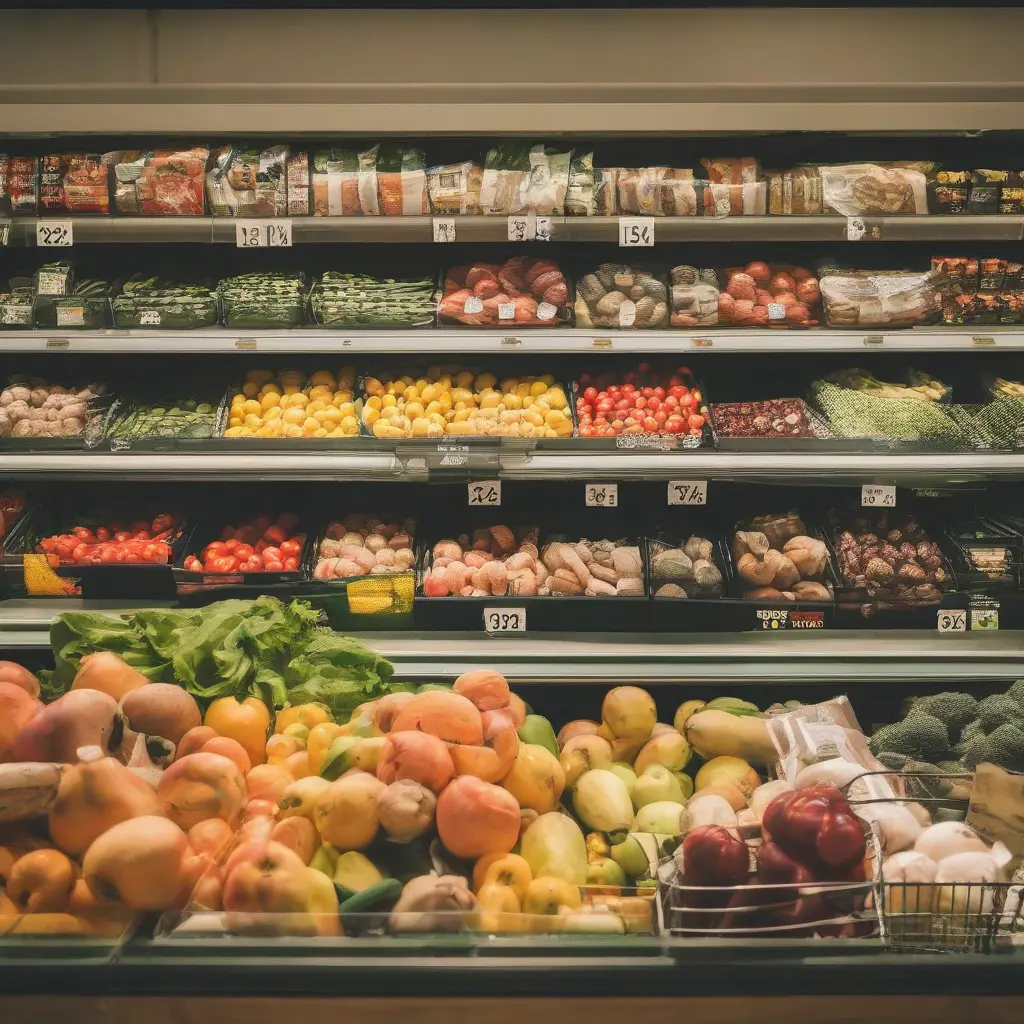
Grocery shopping can be a significant expense for many households, but there are effective strategies to save money while also supporting local businesses and farmers. By integrating these practices into your shopping routine, not only will you see a decrease in your grocery bills, but you will also contribute to the sustainability of your local economy. This article will explore various methods to cut down on grocery costs, highlight the benefits of buying local, and provide practical tips to make the most of your food budget while uplifting your community.
Understand Your Grocery Budget
The first step in saving on groceries is to clearly understand your grocery budget. Track your spending for a month to see where your money goes, identifying patterns and areas where you might overspend. Allocating a specific amount for groceries helps you make informed choices before you head to the store. This approach not only highlights when you’re most likely to deviate from your budget, but also encourages the discipline to stick to your limits. Understanding your finances will empower you to make better decisions, ensuring you save while supporting local producers.
Plan Your Meals Wisely
Meal planning is a crucial strategy for saving money on groceries. By crafting a weekly meal plan, you can create a precise shopping list that’s tailored to your needs. This prevents impulse buys and ensures you only purchase items necessary for your meals. Additionally, plan meals around seasonal produce, which is typically cheaper and fresher, and also tends to support local farmers who grow these goods. Meal planning not only optimizes your grocery budget but also reduces food waste, further adding value to your savings.
Shop Local Farmers Markets
Visiting local farmers markets is an excellent way to save on groceries while directly supporting local agriculture. These markets often provide fresh, seasonal produce at competitive prices, allowing you to buy in bulk and take advantage of discounts on larger quantities. Moreover, shopping at farmers markets connects you directly with the producers, letting you inquire about the farming practices employed. This form of direct commerce enhances the community spirit while also ensuring you get high-quality ingredients, benefiting both your health and your wallet.
Join a Community Supported Agriculture (CSA) Program
Participating in a Community Supported Agriculture (CSA) program can be an excellent way to save on groceries while supporting local farms. By purchasing a share of a farm’s harvest, you receive a box of fresh produce at regular intervals during the growing season. This arrangement helps farmers with cash flow and reduces food waste. Since CSA members receive seasonal crops, you’ll likely discover new foods and recipes, enriching your culinary experiences. Plus, the cost is often lower compared to retail prices at grocery stores, providing significant savings.
Utilize Coupons and Loyalty Programs
Using coupons and joining store loyalty programs can lead to substantial savings on your grocery bills. Many local stores and farms offer loyalty discounts that reward you for shopping with them. Additionally, digital coupons can often be found online or through apps dedicated to deal finding. By combining these savings with your planned grocery list, you can maximize your budget further. Always check if your local producers offer promotions or bulk deals. This strategic approach enhances your grocery savings while consistently supporting local businesses.
Buy Staples in Bulk
Purchasing staple items in bulk can lead to significant savings over time. Items like rice, beans, pasta, and canned goods are often cheaper when bought in larger quantities. Local co-ops or bulk stores frequently offer these staples at competitive prices, and buying from them ensures your monetary support benefits your community. However, it’s essential to shop for items you will realistically use to avoid waste. By planning ahead, consider sharing bulk purchases with friends or family to ensure you all save while maintaining a steady supply of necessary groceries.
Become Familiar with Seasonal Produce
Understanding which fruits and vegetables are in season can substantially cut your grocery bills. Seasonal produce is typically more affordable and fresher than out-of-season options, as it requires less shipping and storage costs. By integrating seasonal items into your meal planning, you can benefit not only from lower prices but also from enhanced flavor and nutritional value. Additionally, local farmers often focus on growing seasonal crops, so purchasing these items supports their business. This knowledge arms you with an advantage in both saving money and eating well.
Explore Discount Grocery Options
Discount grocery stores and outlets can be a goldmine for saving on food expenses. These stores often sell overstock or close-to-expiration products at significantly reduced prices. While shopping at discount locations, it’s important to check the quality of items, but many offer excellent deals on staples and fresh produce. Such savings allow you to allocate more of your budget toward local purchases or specialty items while maintaining a varied diet. Reducing your grocery costs through these avenues provides the flexibility to make sustainable choices without financial strain.
Participate in Local Food Swaps
Food swaps are a great way to acquire new ingredients while saving money and connecting with your community. Participants bring surplus produce or homemade goods to exchange with others, creating a mutual benefit. By participating, you can diversify your pantry at no cost while also reducing food waste. This not only supports local food systems but helps you forge relationships with fellow food enthusiasts in your area. Engaging in food swaps promotes a community spirit around food, ensuring you have access to varied, fresh ingredients without overspending.
Grow Your Own Food
Growing your own food can be a rewarding experience that significantly reduces grocery expenses. Even a small balcony or windowsill can accommodate a few herbs or vegetables. Starting with easy-to-grow staples like tomatoes, basil, or peppers can augment your grocery budget while ensuring you get organic produce. Gardening fosters a deeper connection to the food you consume, offering health benefits and improving sustainability. As your skills develop, you can expand your gardening efforts, creating a supplementary food source that supports your local economy and your household.
Support Local Organic Practices
Supporting local organic practices can be both beneficial to your health and budget. Organic farms often employ sustainable methods that enhance the quality of their produce, often resulting in fresher, better-tasting food. Additionally, many organic farmers are part of local communities and need consumer support to thrive. By choosing local organic products, you invest in sustainable farming practices while ensuring you prepare healthy meals for your family. Furthermore, local organic produce can be more affordable than large chain organic options, making it a smart choice for budget-conscious consumers.
Conclusion
In conclusion, saving on groceries while supporting local businesses and farmers requires smart planning and a community-oriented mindset. By implementing the strategies outlined, such as meal planning, shopping at farmers markets, and participating in local food systems, you can enhance your grocery shopping experience. These practices not only help manage your budget but also foster sustainability in your community. Ultimately, cultivating a local-focused approach to grocery shopping can lead to healthier choices, deeper connections, and significant savings.