Meal planning is an essential skill for students looking to save money on grocery shopping. With limited budgets and time constraints, effective meal planning enables students to make informed choices that not only cut costs but also ensure balanced nutrition. By organizing meals ahead of time, students can avoid impulse buys and wasted food. Implementing smart meal planning strategies helps in managing both finances and grocery lists efficiently. This article will explore practical tips and techniques that students can easily adopt to optimize their grocery shopping experience.
Understand Your Budget
Before embarking on meal planning, it’s vital for students to understand their monthly budget. This involves tracking income sources, including part-time work or allowances, and determining how much can be allocated for grocery shopping. By assessing expenses and setting a clear limit, students can avoid overspending and prioritize essential items. A well-defined budget not only aids in meal planning but also encourages mindful purchasing habits, leading to better financial management throughout the school year.
Plan Your Meals for the Week
Creating a weekly meal plan is a cornerstone of effective grocery shopping. Students should take time each week to plan meals for breakfast, lunch, and dinner, factoring in any social events or dining out. By outlining what to eat each day, it becomes easier to identify necessary groceries, minimize food waste, and make use of available ingredients. Planning meals ahead also allows for the inclusion of diverse food items that promote healthy eating without exceeding budget constraints.
Create a Grocery List
A comprehensive grocery list is crucial for efficient shopping. Once the meal plan is set, students should convert it into a detailed grocery list that outlines all necessary ingredients. This helps in maintaining focus while shopping, preventing unnecessary purchases that add to the overall cost. Utilizing a categorized list, such as separating produce, dairy, and pantry items, can expedite the shopping process and streamline necessary purchases, ultimately saving both time and money.
Make Use of Sales and Discounts
Leveraging sales, discounts, and coupons can significantly lower grocery expenses. Students should keep an eye on local grocery store flyers, loyalty programs, and digital savings platforms. By timing purchases around sales, they can stock up on essential items at discounted rates. Additionally, using apps that aggregate grocery deals helps students stay informed about the best prices available in their area, maximizing savings while minimizing expenditure.
Buy in Bulk
Buying in bulk is a practical strategy for students aiming to cut grocery costs. Items such as grains, legumes, and frozen foods often have lower price per unit when purchased in larger quantities. This approach not only reduces the overall cost but also decreases the frequency of grocery trips, saving time. However, students should ensure that they can consume bulk items before expiration to avoid waste, making this strategy effective for long-term savings.
Focus on Seasonal Produce
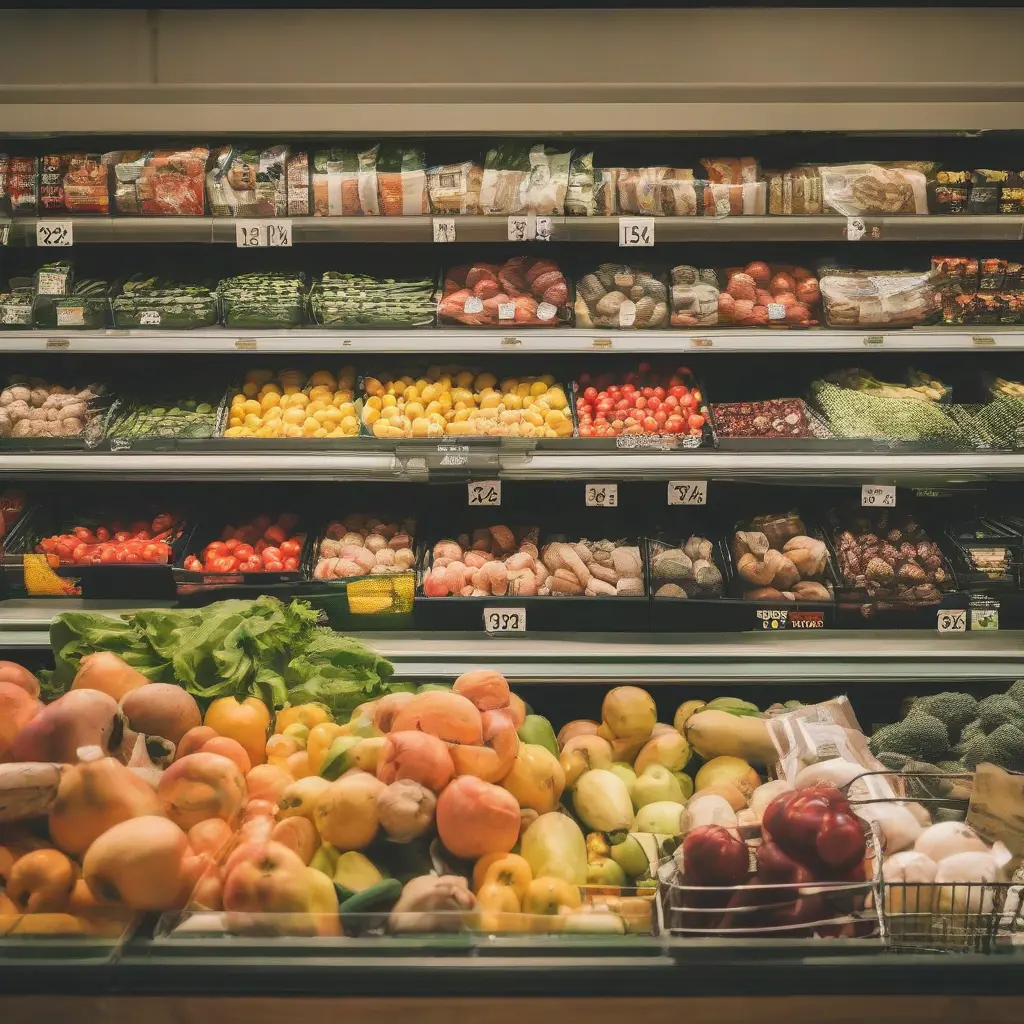
Choosing seasonal produce is an excellent way for students to save money while enjoying fresh fruits and vegetables. Seasonal items are usually sold at lower prices due to their abundance, making them both cost-effective and flavorful. By incorporating more seasonal foods into meal plans, students can enhance nutritional value while keeping their grocery bills under control. Additionally, visiting farmers’ markets can be a rewarding experience, often offering better prices than conventional supermarkets.
Incorporate Versatile Ingredients
Using versatile ingredients in meal planning can lead to substantial savings. Items like rice, beans, and eggs can be used in a variety of dishes, providing students with options throughout the week. By selecting ingredients that can be reused in different meals, students can reduce waste and maximize their budget. This approach allows for creativity in the kitchen while ensuring that meals remain nutritious and satisfying.
Meal Prep for Convenience
Meal prepping simplifies the cooking process and plays a key role in budget-friendly strategies. Students can allocate a specific day, such as Sunday, to prepare meals in advance, portioning them into containers for the week. Not only does this save time on busy weekdays, but it also reduces the temptation to buy expensive takeout. Prepped meals make it easier to track nutritional intake and stick to the planned budget.
Utilize Leftovers Effectively
Leftovers can be a valuable way to save and ensure that food is not wasted. Encouraging students to creatively use leftovers can lead to additional meal options without incurring further grocery costs. For instance, last night’s roasted vegetables can become a delicious omelet, or leftover chicken can be used in a salad. By prioritizing leftovers in meal planning, students can stretch their grocery budget and make the most out of every shopping trip.
Choose Store Brands
Opting for store brands instead of name brands can contribute significantly to savings. Store-brand products often offer the same quality as their more famous counterparts but at a lower price. Students should become familiar with their local stores’ brand offerings, which can lead to substantial savings over time. Choosing these items consistently can make a discernible difference in the overall grocery bill, allowing students to allocate funds to other necessary expenses.
Keep an Inventory of Your Pantry
Maintaining an inventory of pantry items can prevent overbuying and waste. Students should regularly check what they already have before creating grocery lists to ensure they incorporate existing components into their meal plans. By efficiently utilizing pantry staples, they can further cut down on costs and avoid duplicate purchases. This practice also fosters creativity in meal preparation, encouraging students to use what they have before resorting to new grocery purchases.
Comparison Shop
Comparison shopping is a smart tactic for students to uncover the best grocery deals available. By visiting multiple stores or using online price comparison tools, students can identify where specific items are cheapest. This process may require additional effort initially, but over time, it helps to establish familiarity with pricing trends, enabling smarter shopping choices. Ultimately, comparison shopping empowers students to make informed decisions that lead to greater savings.
Conclusion
Incorporating these meal planning tips can revolutionize grocery shopping for students, enabling them to save significantly. By understanding their budget, planning meals effectively, and utilizing smart shopping strategies, students can enjoy a balanced diet without exceeding their financial limits. Implementing these practices not only reduces food expenses but also promotes a more organized and efficient lifestyle. With a little effort, students can turn meal planning into a valuable tool for success during their academic journey.