In today’s economy, finding strategies to reduce grocery bills is more essential than ever. However, the challenge lies in cutting expenses without compromising on the quality and nutritional value of the food you purchase. Fortunately, there are several practical approaches that can help you save money at the grocery store while still providing your family with nourishing meals. This article delves into actionable strategies that focus on meal planning, shopping smart, and choosing the right products to ensure that your savings do not come at the expense of health.
Plan Your Meals Ahead
Meal planning is a critical strategy for reducing grocery bills while maintaining nutrition. By outlining your meals for the week in advance, you can create a comprehensive shopping list that focuses only on necessary ingredients. This prevents impulse buys and helps you avoid purchasing items that might go to waste. Include a variety of recipes that incorporate seasonal produce, which not only lowers costs but enhances nutritional content. Consider using resources like food blogs or apps designed for meal planning to ensure you stay organized and efficient.
Create a Shopping List
Making a shopping list is integral to a successful grocery shopping trip. After planning your meals, jot down all the items you’ll need based on your list. This process curbs unnecessary purchases and keeps you focused on essential items. Additionally, categorizing your list by grocery aisle can expedite your shopping experience, further reducing impulse buys and time spent in the store. Sticking to your list ensures that you only buy what’s needed, which can significantly lower your overall spending.
Take Advantage of Sales and Coupons
Keeping an eye on sales and utilizing coupons can dramatically decrease grocery expenses. Many grocery stores offer weekly sales, discounts, and promotional offers that can be leveraged for significant savings. Check store flyers online or through apps to find current deals on items you regularly purchase. Combining sales with manufacturer coupons can enhance your savings even further. However, be cautious to buy items you actually need instead of stocking up on things that may not be consumed.
Buy in Bulk Wisely
Purchasing in bulk can be financially beneficial, particularly for non-perishable items or products that you frequently use. Bulk buying often has lower price points per unit, which translates to savings over time. However, assess your actual consumption rates and storage capabilities before making bulk purchases. This strategy is ideal for grains, canned goods, and frozen products, which can last longer and prevent frequent trips to the store. Just ensure you’re not buying items that might expire before you use them.
Choose Generic or Store Brands
Many grocery stores offer store-brand or generic alternatives that can provide the same quality as name-brand products at a fraction of the cost. These products are often made by the same manufacturers as their branded counterparts, ensuring you don’t compromise on quality. Opting for these generic items allows you to reduce expenditure while still enjoying nutritious food. Look for store-brand versions of staples like dairy, grains, and frozen foods, which often provide substantial savings.
Focus on Whole Foods
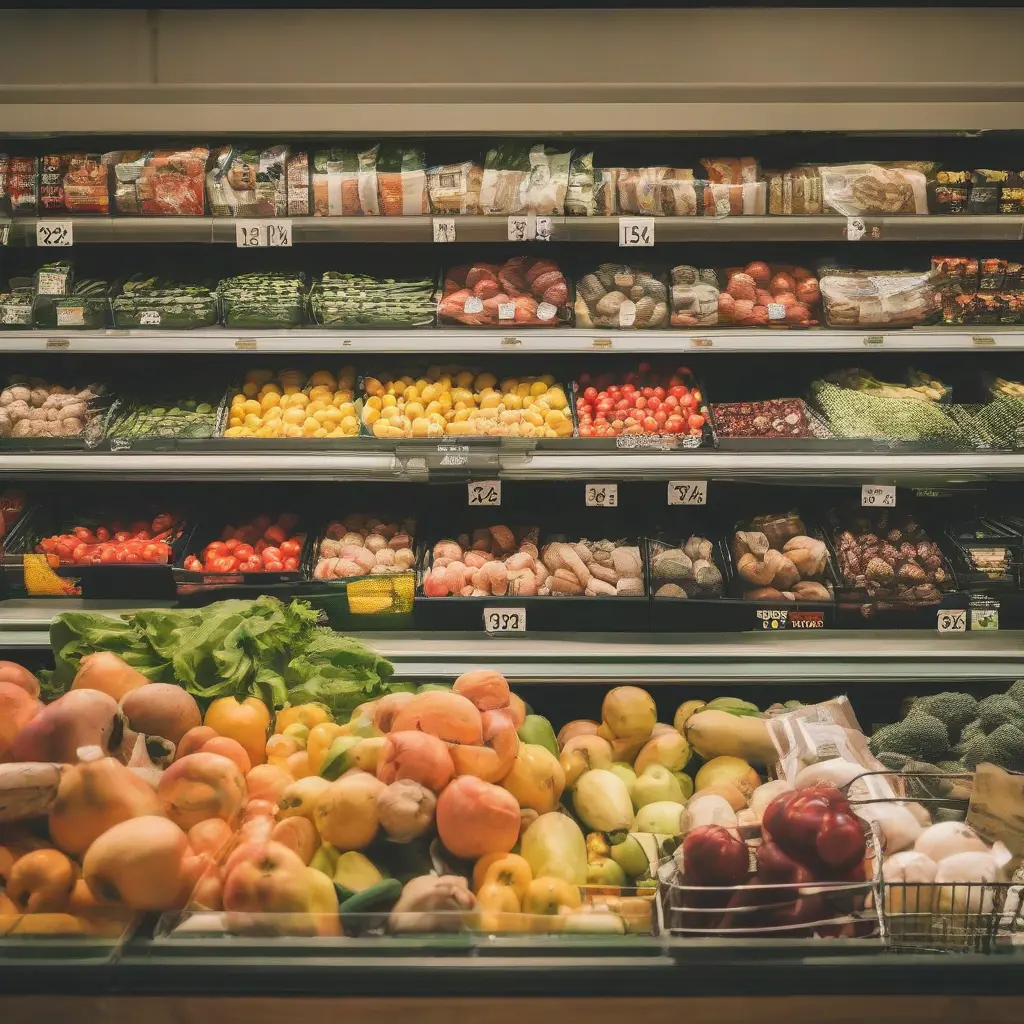
Incorporating more whole foods into your diet can simultaneously reduce grocery bills and boost nutrition. Whole foods, such as fruits, vegetables, grains, and legumes, tend to be less expensive than their processed counterparts. They offer more nutrients and less added sugar and preservatives, making them a healthier choice. By emphasizing whole foods, you can create meals that are both cost-effective and nutritious. Shop for seasonal fruits and vegetables which are often more affordable and flavorful.
Utilize Leftovers Effectively
Maximizing leftovers is a strategy that can extend your grocery budget effectively. Transforming leftovers into new meals can reduce food waste and provide additional meals without the need to buy new ingredients. For example, roast chicken can be used in salads, wraps, or soups. Plan to make extra servings of your favorite dishes purposely, ensuring you have options for busy days. This not only decreases grocery spending but also helps maintain variety in your diet.
Join a Community Supported Agriculture (CSA)
Joining a CSA can be an excellent way to enjoy fresh produce while cutting grocery costs. CSAs allow you to buy a share of a local farm’s harvest, providing seasonal vegetables and fruits at a lower price. This arrangement supports local agriculture and often leads to fresher, more nutrient-rich produce. Additionally, participating in a CSA can introduce you to new vegetables and promote creativity in your meal planning, enabling you to enjoy diverse and nutritious meals.
Be Mindful of Food Waste
Minimizing food waste is crucial for reducing grocery bills. Understanding how to store food properly can prolong its shelf life, thus preventing spoilage. Invest in storage solutions that maintain freshness, like airtight containers and freezer bags. Regularly check your pantry and fridge, and design your meal plans around ingredients that are nearing expiration. By being mindful of what you already have, you can avoid unnecessary purchases and decrease overall spending on groceries.
Explore Alternative Grocery Options
Expanding your grocery shopping routine to include alternative grocery options can lead to significant savings. Consider shopping at farmers’ markets, discount stores, or local co-ops that might offer seasonal and bulk products at lower prices. These venues often provide fresher alternatives at a fraction of the standard grocery store prices. Additionally, exploring online grocery services and delivery options can sometimes reveal better deals that suit your budget while saving you time.
Shop with a Full Stomach
Shopping for groceries on an empty stomach can result in impulsive buying and unnecessary purchases. To counter this, always shop when you are not hungry. This simple strategy helps you make more conscious purchases, keeping you focused on your shopping list. Consume a healthy snack before heading to the store to stabilize your energy and ensure you stick to your planned items, thereby reducing the potential for overspending on unhealthy choices.
Conclusion
Reducing grocery bills without sacrificing quality or nutrition requires strategic planning and mindful shopping. By implementing effective strategies such as meal planning, utilizing leftovers, and exploring alternative grocery options, you can achieve significant savings. The key is to stay organized and focused on your needs, making informed choices that benefit both your wallet and your health. By following these guidelines, you can enjoy a balanced diet and keep your grocery expenses in check.