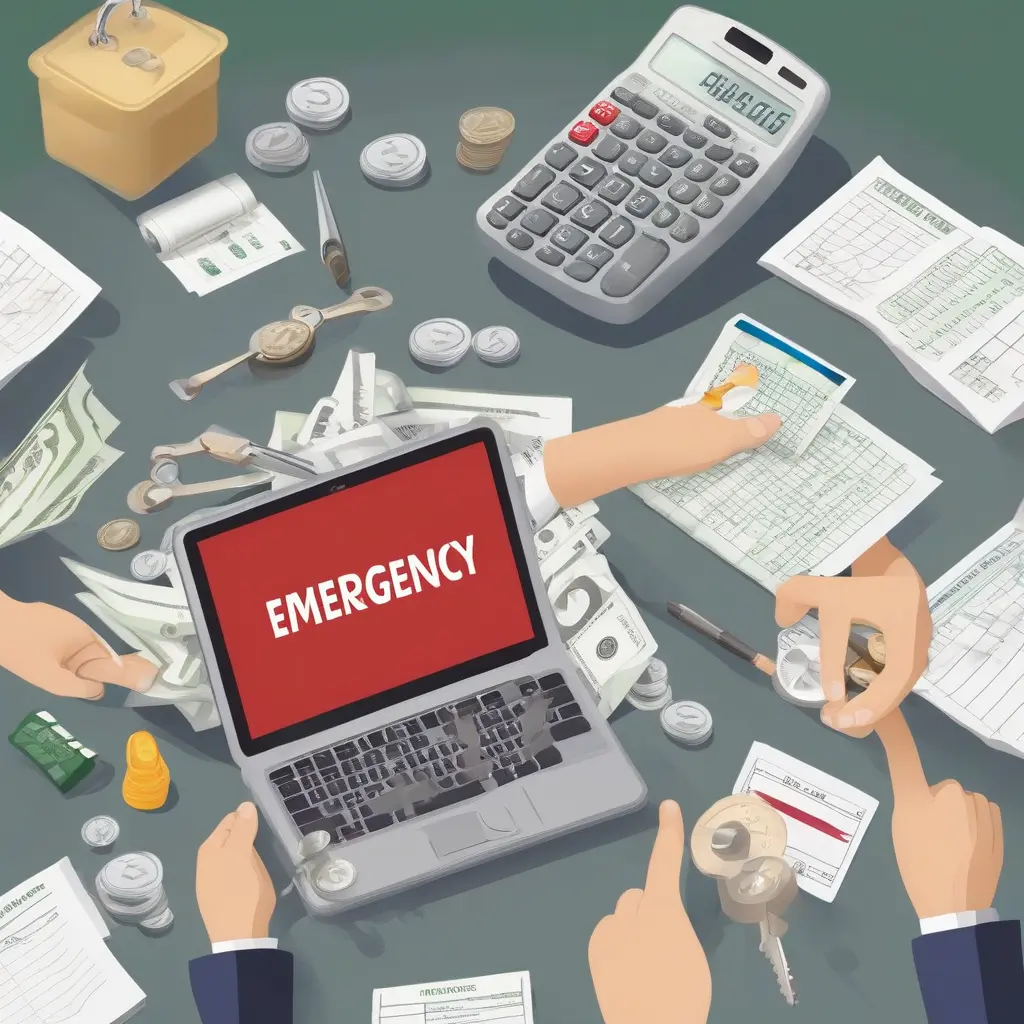
Emergency funds play a pivotal role in monthly budget planning by providing a financial safety net during unexpected situations. A well-planned budget is essential for maintaining financial stability, and having an emergency fund enhances this stability. It prevents the need to incur debt when unforeseen expenses arise, such as medical emergencies, car repairs, or job loss. Establishing an emergency fund can alleviate stress and financial pressure, allowing for better management of day-to-day expenses. By integrating an emergency fund into your monthly budget, you take a significant step towards achieving long-term financial health.
Understanding Emergency Funds
An emergency fund is a dedicated savings account designed to cover unexpected expenses and financial emergencies. Unlike regular savings, which might be allocated for specific goals like vacations or home purchases, an emergency fund acts as a financial cushion. Financial experts suggest that individuals should aim to save three to six months’ worth of living expenses. This amount offers a buffer against unforeseen circumstances, ensuring that one can navigate emergencies without derailing their overall financial plan.
Importance of Budgeting for an Emergency Fund
Integrating an emergency fund into your budget is crucial for effective financial planning. Allocating a specific percentage of your monthly income to this fund ensures that you consistently save for potential emergencies. This proactive approach not only prepares you for unexpected costs but also contributes to your overall financial discipline. By including emergency savings as a regular expense in your budget, you establish a habit of saving, ultimately making your budget more resilient to fluctuations and unplanned expenditures.
How to Calculate Your Target Emergency Fund
Determining the right size for your emergency fund requires a careful analysis of your living expenses. Start by calculating your monthly essentials, such as rent or mortgage, utilities, food, transportation, and insurance. Multiply this total by three to six, depending on your comfort level with risk and job stability. A higher amount may be necessary for those with fluctuating incomes or fewer job security, while those with steady income may opt for a lower target. This tailored approach will help create a realistic and effective emergency fund strategy.
Where to Keep Your Emergency Fund
Choosing the right account to house your emergency fund is a vital step in establishing this financial safety net. A high-yield savings account or money market account is often recommended, as these options provide both liquidity and interest accrual. It’s important to avoid keeping emergency savings in stock market investments or accounts with limited access, as these options may expose your funds to fluctuations or penalties. By selecting a secure, accessible account, you ensure your emergency savings are readily available when needed without hindrance.
Staying Committed to Building Your Emergency Fund
Commitment is essential to building and maintaining your emergency fund successfully. Setting up automated transfers from your checking account to your emergency fund account can streamline this process, creating a more consistent saving habit. Consider starting with a smaller monthly contribution that feels manageable, then gradually increasing the amount as your financial situation improves. Celebrate milestones in your saving journey, whether reaching your first $1,000 or completing a full three-month savings goal. These positive reinforcements can help maintain motivation.
Adjusting Your Emergency Fund Over Time
As circumstances change, it may be necessary to adjust the target of your emergency fund. Factors such as career changes, changes in living expenses, or family planning can significantly impact your financial situation. Regularly reviewing and updating your budget ensures it remains relevant and effective. Aim to reassess your emergency fund at least once a year, making adjustments as necessary to reflect your current living standards and financial responsibilities. Staying adaptable can prevent future financial strain and keep your budget aligned with your evolving needs.
Common Mistakes When Building an Emergency Fund
One common mistake people make when building an emergency fund is underestimating their required savings. Many individuals either set their goal too low or fail to account for all necessary expenses. Additionally, withdrawing from an emergency fund for non-emergencies can diminish its effectiveness. It’s crucial to maintain discipline and protect these savings for genuine emergencies. Identifying these pitfalls early on can significantly enhance the efficiency of your budget and help you stick to your financial goals.
Utilizing Your Emergency Fund Wisely
When faced with an emergency, utilizing your emergency fund wisely is vital to ensure it serves its purpose efficiently. Before tapping into these savings, assess whether the situation qualifies as an emergency. Use the funds only for unexpected expenses that disrupt your normal financial flow, such as medical bills or urgent car repairs. Consider maintaining a record of your withdrawals to monitor future needs better and adjust your saving strategy accordingly. This disciplined approach can help you maintain your emergency fund without depleting it unnecessarily.
Conclusion
Incorporating an emergency fund into your monthly budget is indispensable for achieving financial stability and peace of mind. It equips you to face unplanned expenses without resorting to debt, allowing for efficient financial management. By understanding the purpose and methods of building an emergency fund, and remaining committed to its growth, you can create a robust foundation for your overall financial health. Protecting this essential resource ensures you are prepared for whatever life may throw your way, reinforcing the importance of sound budgeting.