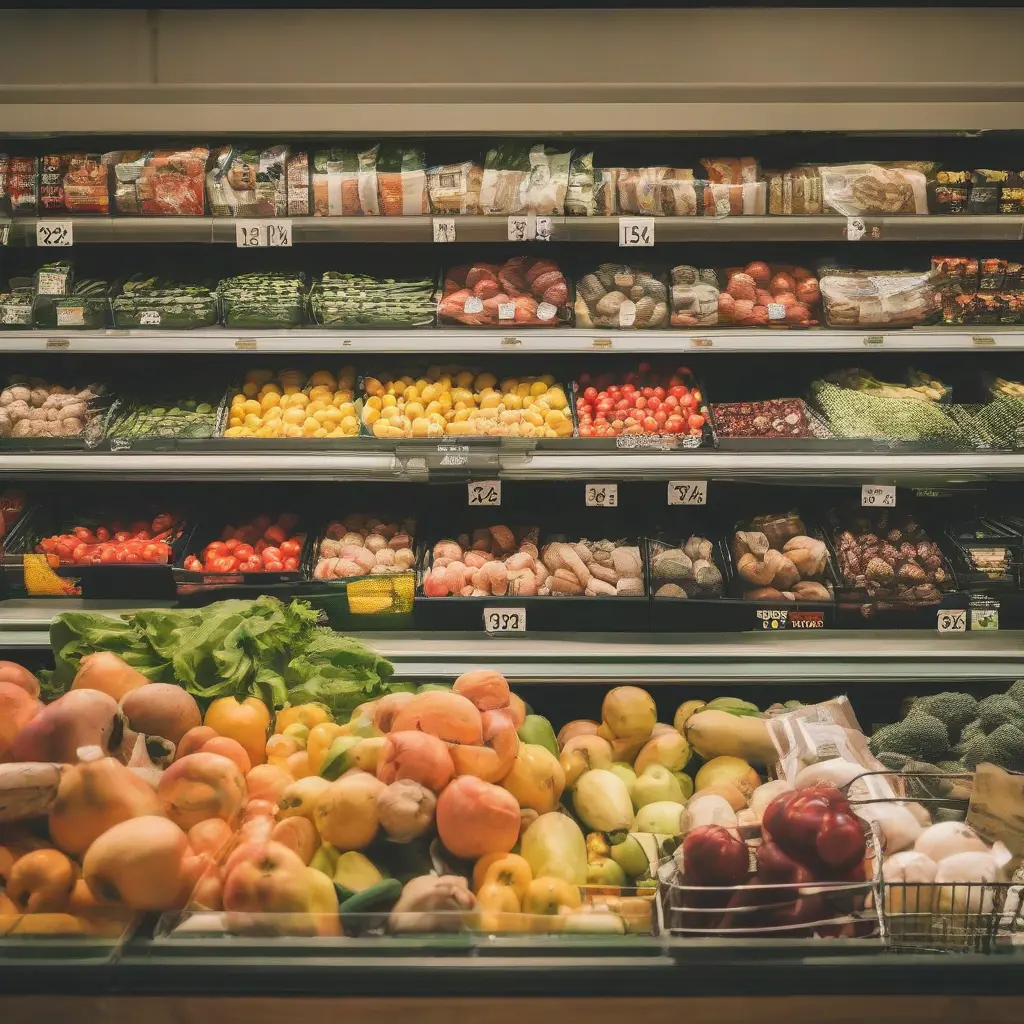
Eating a ketogenic diet can be nutritionally rewarding, but it also poses unique challenges when it comes to grocery shopping. The high cost of low-carb specialty items can add up quickly, making it essential to seek out effective strategies for saving money. This article provides practical tips and tricks to help you stick to your keto diet without breaking the bank, allowing you to enjoy delicious meals while managing your budget.
Plan Your Meals in Advance
One of the most effective ways to save money on groceries is to plan your meals in advance. By taking the time to create a weekly meal plan, you can minimize impulse purchases and ensure that you only buy the ingredients you need. Focus on incorporating affordable keto-friendly foods, such as eggs, canned fish, and seasonal vegetables, into your menu. Additionally, having a plan in place helps you reduce food waste and makes it easier to stick to your dietary goals.
Shop Seasonal and Local Produce
Buying seasonal and local produce not only supports your community but can also dramatically lower your grocery bills. Seasonal vegetables typically cost less due to their abundance, and they often taste better too. Consider visiting farmers’ markets or local grocery stores that feature in-season items. Some vegetables that are generally keto-friendly and cost-effective include zucchini, spinach, and cauliflower. Incorporating these options into your diet helps you stick to your nutritional goals without overspending.
Utilize Coupons and Sale Flyers
Couponing and keeping an eye on grocery store sale flyers can lead to significant savings on your grocery budget. Many stores have weekly circulars that highlight discounted items, making it easier to plan your shopping list around what’s on sale. Numerous apps and websites offer digital coupons specifically for keto-friendly products. By combining these savings strategies, you can often stock up on items at a reduced price, benefiting your diet and your wallet simultaneously.
Buy in Bulk
Purchasing non-perishable items and staple foods in bulk can be a savvy budget-friendly strategy. Items like nuts, seeds, and frozen vegetables are great for bulk buying. Stores like warehouse clubs often offer larger quantities at a lower price per unit, particularly for high-fat foods like olive oil and coconut oil. Be sure to check the expiration dates and only buy what you know you’ll use to avoid waste. Investing in bulk can provide long-term savings that benefit your keto diet.
Focus on Whole Foods
Focusing on whole foods is both a cost-saving and health-conscious approach to your keto diet. Whole foods, such as fresh meats, eggs, and vegetables, tend to be more affordable than pre-packaged or processed keto products, which can be expensive. By cooking from scratch, you not only save money but also gain better control over the ingredients in your meals. This practice allows you to enjoy nutritious, homemade dishes while ensuring you remain in line with your dietary goals.
Use Meat as the Centerpiece
Meat often serves as the centerpiece of a keto meal plan, but it can represent a significant portion of your grocery bill. To save money, consider using meat as a flavor enhancer rather than the main dish. You can incorporate smaller amounts of meat into stews, stir-fries, or salads, relying on cheaper protein sources like eggs or legumes for additional nutrition. This approach not only stretches your budget but also encourages diversification in your meals.
Incorporate Cost-Effective Protein Sources
In addition to focusing on meat, consider incorporating other cost-effective protein sources into your keto diet. Eggs, beans, and tofu can provide substantial protein at a lower cost than many types of meat. These items can complement your meals efficiently, making it easier to maintain a balanced diet without overspending. Being flexible with protein sources helps you find a nutritious balance while still adhering to keto principles.
Take Advantage of Store Loyalty Programs
Many grocery stores offer loyalty programs that provide discounts, exclusive offers, and points for future purchases. Joining these programs can give you additional savings opportunities, particularly if you frequently shop at the same store. Some programs also offer personalized discounts on items you buy regularly. Look into your local grocery store’s loyalty program to maximize your savings while getting the products essential for your keto diet.
Experiment with Freezer-friendly Meals
Preparing freezer-friendly meals can save both time and money in your meal prep routine. By creating batches of keto-friendly dishes that can be frozen, you not only ensure you have on-hand meals but also make better use of ingredients purchased in bulk. Soups, casseroles, and stir-fried dishes often freeze well and are easy to reheat. This strategy minimizes last-minute food expenses and prevents food waste, keeping your grocery spending in check.
Consider Discount Grocery Stores
Discount grocery stores can often provide quality products at lower prices compared to traditional supermarkets. These stores typically offer a range of staple items, including fresh produce, meats, and pantry essentials that cater to a keto diet. Exploring these alternatives can uncover surprising savings, particularly on budget-conscious items. Don’t overlook local dollar stores, which may carry keto-friendly snacks or ingredients at a fraction of the price.
Keep an Eye on Price Per Unit
When shopping, always compare the price per unit to get the best deal on items. Stores often place larger packages at a higher price, making it unclear which option is the most economical. By checking the unit price, you can ensure you’re making wise choices that save money. This practice is particularly useful when purchasing staples, allowing you to stock up on the best-value items available and optimize your keto diet without overspending.
Grow Your Own Herbs and Vegetables
Growing your own herbs and vegetables can save you money while adding freshness and flavor to your keto meals. Even if you have limited space, many herbs can be grown in pots indoors or on a windowsill. Items like basil, cilantro, and parsley are easy to cultivate and require minimal care. This not only reduces your grocery spending on herbs but also enriches your meals with homegrown ingredients, enhancing your overall cooking experience.
Make Recipes with Leftovers
Utilizing leftovers creatively can significantly reduce food waste and further stretch your grocery budget. Transforming leftover meats and vegetables into soups, salads, or new dishes allows you to get more value from your grocery purchases. Moreover, preparing meals with leftovers can save you time during busy weeks, ensuring you stay true to your keto diet without the temptation of takeout or non-compliant options. This strategy efficiently manages resources while promoting sustainability.
Conclusion
Saving money on groceries while following a keto diet is fully achievable with mindful planning and smart shopping strategies. By incorporating practices like meal planning, buying in bulk, and utilizing local resources, you can enjoy a variety of healthy options without compromising your budget. With these tips, sticking to your keto goals becomes easier and more affordable, allowing you to enjoy a nutritious lifestyle without overspending.