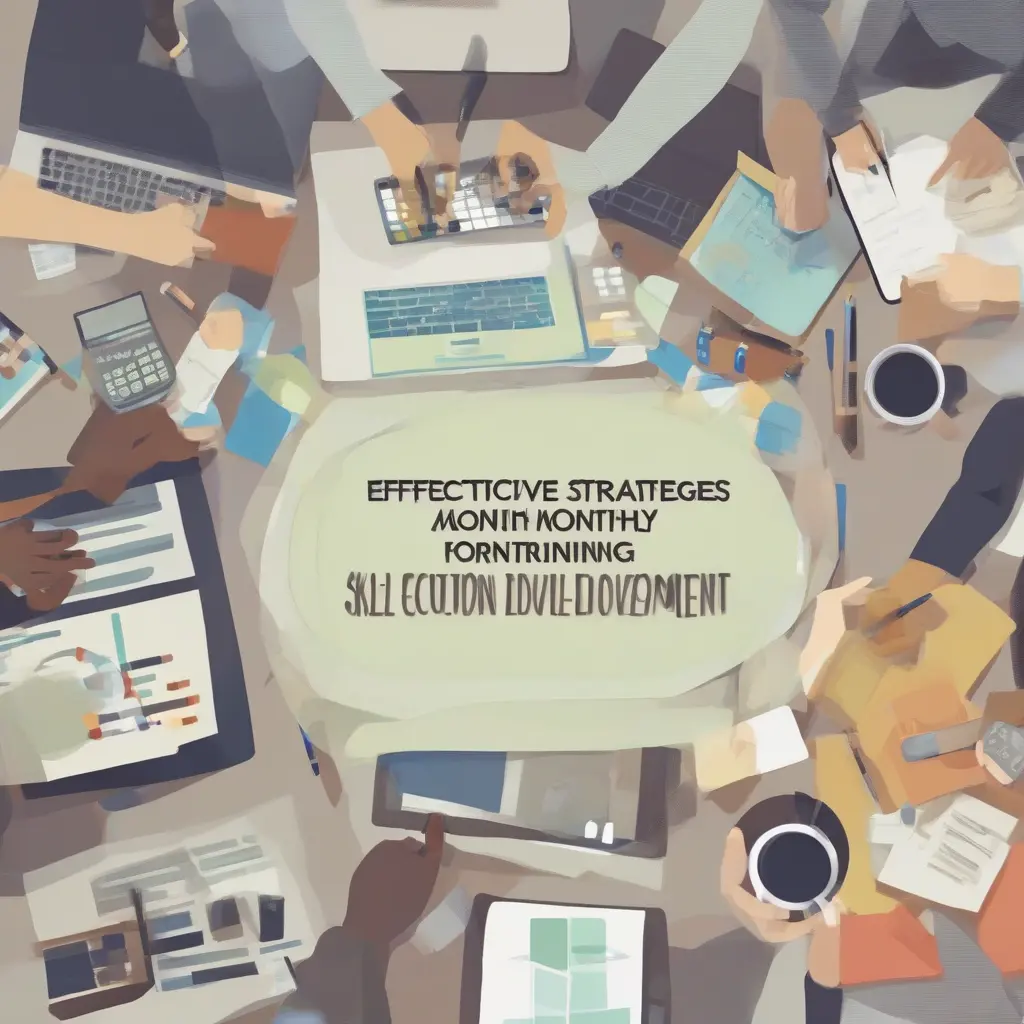
Budgeting for skills development and continuing education is essential in today’s fast-paced job market. With technological advancements and evolving industry requirements, continuous learning is no longer optional; it’s a necessity. However, balancing the financial aspect while managing everyday expenses can be challenging. This guide will provide effective strategies to help you allocate a portion of your monthly budget specifically for education and skill enhancement, ensuring you can invest in your professional growth without compromising your financial stability.
Assess Your Current Financial Situation
To create an effective budget for skills development, begin by assessing your current financial situation. List your total income, including salary, side jobs, and passive income streams. Next, detail your fixed and variable expenses such as rent, utilities, groceries, and subscriptions. Understanding your cash flow is crucial because this snapshot will help you identify how much you can allocate specifically for education each month. It’s important to be honest and thorough in this assessment to ensure you make informed financial decisions going forward.
Set Clear Goals for Skills Development
Establish clear and measurable goals for your skills development to guide your budgeting process. Determine what skills you want to acquire or improve and how they align with your career objectives. For instance, if you aim to earn a certification or complete a specific course, researching the associated costs will help you set a realistic budget. Setting short- and long-term goals provides direction for your investments, helping you stay focused and motivated throughout your educational journey.
Research Educational Options
Exploring various educational options can significantly impact your monthly budgeting for skills development. Look for online courses, local workshops, free webinars, and community college classes that fit your learning goals. Analyze the costs to identify affordable alternatives that deliver substantial value. Many online platforms offer free trials or discounted rates, allowing you to test the quality before committing. By extensively researching your choices, you can maximize your learning without straining your finances.
Prioritize Your Education Budget
Once you have assessed your finances and set your goals, prioritize your education within your monthly budget. This involves deciding how much of your income you can allocate towards learning each month. Treat this as a non-negotiable expense like rent or groceries. By prioritizing your education budget, you signal to yourself the importance of continuous learning, helping to motivate you to stick to your budget. This commitment will enable you to develop the skills necessary to advance your career.
Leverage Employer Benefits for Learning
If you are employed, leverage employer benefits designed to support your skills development. Many companies offer training reimbursement programs, learning budgets, or tuition assistance. Investigate what resources your employer provides and incorporate these benefits into your budgeting plan. By utilizing these programs, you can minimize out-of-pocket costs while enhancing your skill set, making your investment in education more manageable and cost-effective.
Create a Savings Plan for Education
In addition to budgeting, consider establishing a dedicated savings plan specifically for education. This can be a separate savings account where you regularly deposit a predetermined amount. Treat it like any other bill to ensure consistent contributions. Over time, this account can grow, giving you sufficient funds for larger educational investments such as certifications, workshops, or extensive courses. A dedicated savings plan not only provides peace of mind but also allows for greater flexibility in your educational pursuits.
Utilize Free Resources for Skills Development
Take advantage of free resources available for skills development to ease your monthly budget. Online platforms like Coursera, edX, and Khan Academy offer a myriad of courses at no charge. Additionally, local libraries often provide access to free workshops, books, and online learning platforms. Utilizing these free or low-cost resources can significantly reduce your education spending, allowing you to prioritize practical knowledge without compromising your financial goals.
Monitor and Adjust Your Budget Regularly
Budgeting is an ongoing process; therefore, it’s essential to monitor and adjust your budget regularly. Set aside time each month to review your spending related to skills development and evaluate whether you are meeting your educational goals. Analyze your expenditures, and if necessary, make adjustments to ensure you are on track. Flexibility in your budgeting approach allows you to allocate resources effectively while adapting to changing financial circumstances or new educational opportunities.
Seek Accountability and Support
Involving others in your skills development journey can add accountability and support, making it easier to stick to your budget. Consider seeking mentorship or joining study groups within your professional network. Engaging in discussions about your educational goals can provide encouragement and accountability. Moreover, sharing experiences and resources can lead to new insights and opportunities, enhancing your skill development while keeping you motivated within your budgetary constraints.
Conclusion
Budgeting for skills development and continuing education is vital for personal and professional growth. By assessing your financial situation, setting achievable goals, and leveraging available resources, you can effectively incorporate education into your monthly budget. Continuous learning not only enhances your career prospects but also enriches your personal life, making it essential to prioritize this investment wisely.