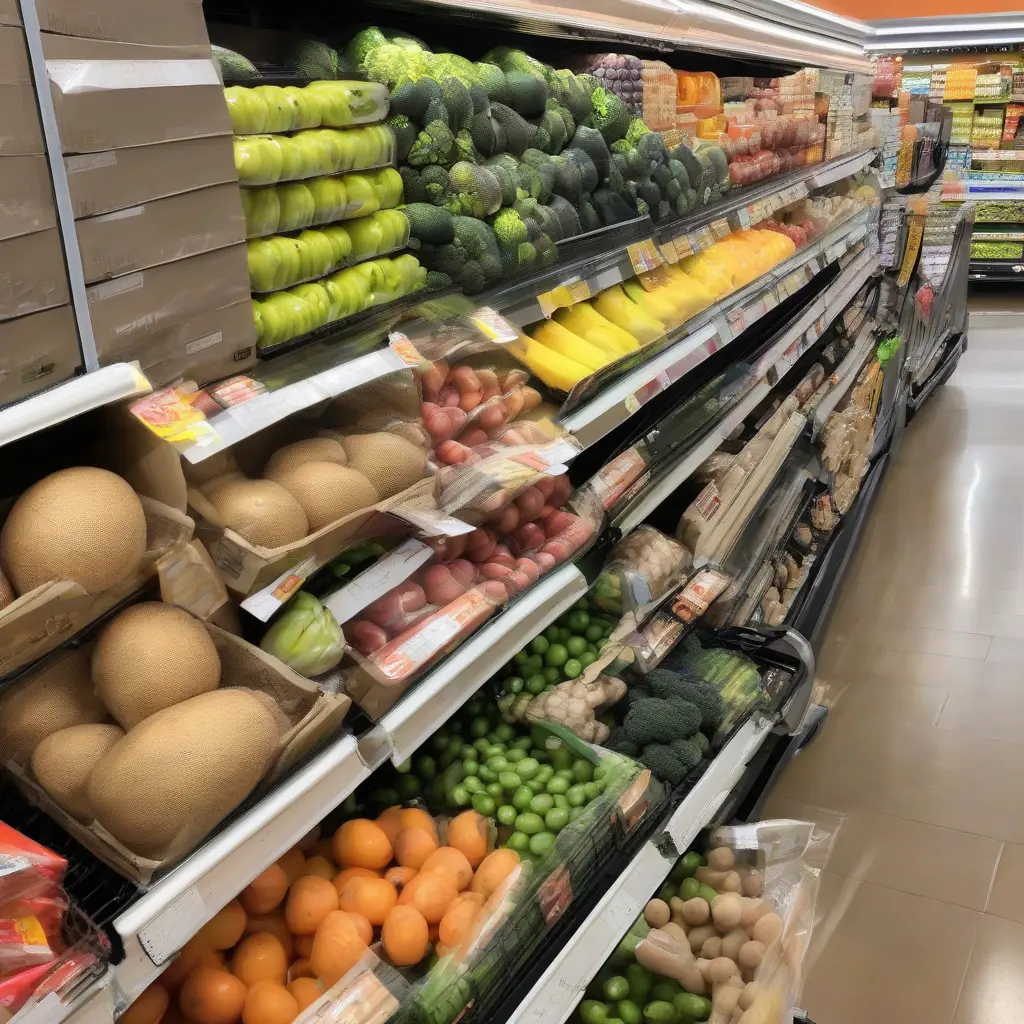
Managing a weekly grocery budget can be a challenge, especially for busy professionals with limited time. However, a well-planned grocery budget not only helps save money, but also ensures that your food choices align with your personal health goals. In this article, we will explore actionable and time-efficient strategies for planning your grocery shopping while effectively sticking to a budget.
Understand Your Weekly Needs
Before setting a grocery budget, it’s essential to assess your weekly food needs. Take into account the meals you typically prepare, the number of people you’re shopping for, and dietary restrictions. Keeping track of what you eat and your food preferences can help tailor your list, reducing the likelihood of buying unnecessary items. Knowing your specific requirements lays a strong foundation for effective budgeting and helps you avoid overspending.
Set a Realistic Budget
Establishing a realistic grocery budget is crucial for busy professionals to manage their finances effectively. Analyze your previous spending habits to determine a suitable amount that considers your needs and income. It’s essential to define a budget that allows some flexibility, as this can help accommodate occasional splurges without causing stress. Adjusting your budget periodically based on changing needs or expenses can also enhance its effectiveness.
Create a Master Grocery List
A master grocery list, tailored to your weekly requirements, is a powerful tool that can save time and money. Categorize items based on food groups or store layout for efficient shopping. Having a structured list minimizes impulse buys and ensures you don’t forget essential items. Additionally, periodic revisions of your list, based on buyer preferences or seasonal availability, can keep your shopping streamlined and effective.
Plan Your Meals Ahead
Meal planning is an effective strategy to streamline grocery shopping while adhering to your budget. Dedicate a small amount of time each week to plan meals and snacks, focusing on versatile ingredients that can be used in multiple dishes. This effort not only reduces food waste but also helps maintain a balanced diet. Use digital tools or planners to keep track of your weekly menu, making adjustments based on available sales or promotions.
Utilize Grocery Store Apps
Grocery store apps can be invaluable for busy professionals trying to manage their weekly budgets. Many apps provide real-time information about sales and promotions, helping you find the best deals while on the go. These apps can also facilitate easy list creation and provide personalized suggestions based on your past purchases. By leveraging technology, you can effectively save both time and money during your grocery shopping.
Shop Sales and Use Coupons
Taking advantage of sales and coupons is a practical method for stretching your grocery budget. Monitor local flyers and coupon websites to find discounts on products you frequently buy. Don’t hesitate to combine coupons with store sales for optimal savings. However, ensure that you only purchase items that fit within your grocery list to avoid unnecessary spending due to alluring deals.
Consider Bulk Buying
For items that you frequently use, buying in bulk can be a cost-effective approach to managing your grocery budget. Purchasing larger quantities often results in significant savings per unit, especially for non-perishable goods. However, it’s crucial to evaluate storage space and ensure that the items will be used before their expiration. Balancing bulk purchases with your actual needs can lead to financial benefits.
Meal Prep to Save Time
Meal prepping is a time-saving strategy that complements effective grocery budgeting. Preparing meals in advance can streamline your week’s cooking process and reduce the temptation to dine out or order takeout. Dedicate some time after grocery shopping to cook and store meals in portions, making weeknight dinners quick and simple. This proactive approach not only saves time but can also lead to healthier eating habits.
Stay Flexible with Your Menu
Being flexible with your meal plans allows you to adapt to unexpected circumstances, such as leftover ingredients or changes in schedule. This flexibility enables you to utilize what you already have rather than stick rigidly to a plan, ultimately preventing food waste. If you have unforeseen changes, consider using leftover items creatively in your meals or swapping recipes to include whatever you have on hand.
Track Spending and Adjust Accordingly
Regularly tracking your grocery spending can provide insights into your budgeting effectiveness. Use budgeting apps or spreadsheets to log expenses and compare them against your set budget. Analyze any deviations to understand patterns and areas for improvement. If you consistently go over budget, it may be necessary to identify underperforming areas and adjust your spending habits or grocery list as needed.
Shop with Purpose
Shopping with a clear purpose can drastically improve your grocery budgeting. Stick strictly to your list and avoid wandering in the store, which can lead to impulse purchases. Prioritize purchasing only what you need for your meal plan and avoid distractions such as in-store specials for items outside your list. This focused approach ensures that you stay within budget and make conscientious food choices.
Conclusion
Planning a weekly grocery budget may seem daunting for busy professionals, but with intentional strategies like meal planning, using grocery apps, and shopping with purpose, it becomes manageable. Implementing these techniques can lead to significant time and cost savings while promoting healthier eating habits. Commit to refining your approach and adjusting your plans as needed to align with your lifestyle and make shopping a simpler task.