Understanding the intricacies of your grocery bill can be daunting, especially when hidden costs pile up, affecting your budget. Many consumers tend to overlook small fees, price discrepancies, and wasteful habits that can inflate their grocery expenses significantly. By identifying these hidden costs, you can start to take actionable steps to eliminate them, thus making your grocery shopping more efficient and financially savvy. This article will delve into common hidden costs and provide practical strategies to help you save money while shopping for your everyday essentials.
Understanding Common Hidden Costs
Many shoppers unknowingly face hidden costs, which can significantly inflate their grocery bills. These costs often include items that are not clearly priced, taxes, or even extra charges such as bag fees. Additionally, impulse buys and last-minute decisions often lead to unplanned purchases that contribute to overall spending. Familiarizing yourself with these potential pitfalls can help you manage your budget more effectively. Understanding these aspects enables shoppers to make informed decisions, ultimately reducing unnecessary expenditures.
The Impact of Store Layout on Spending
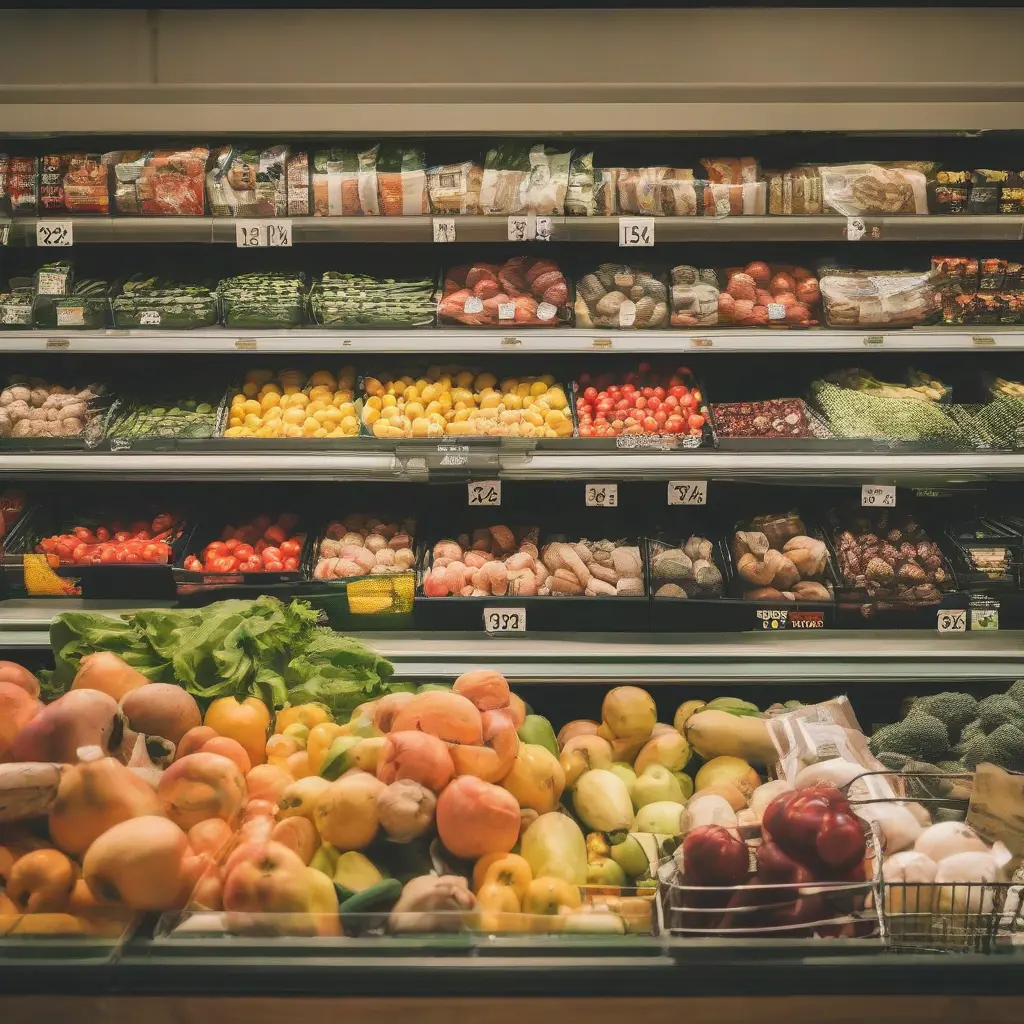
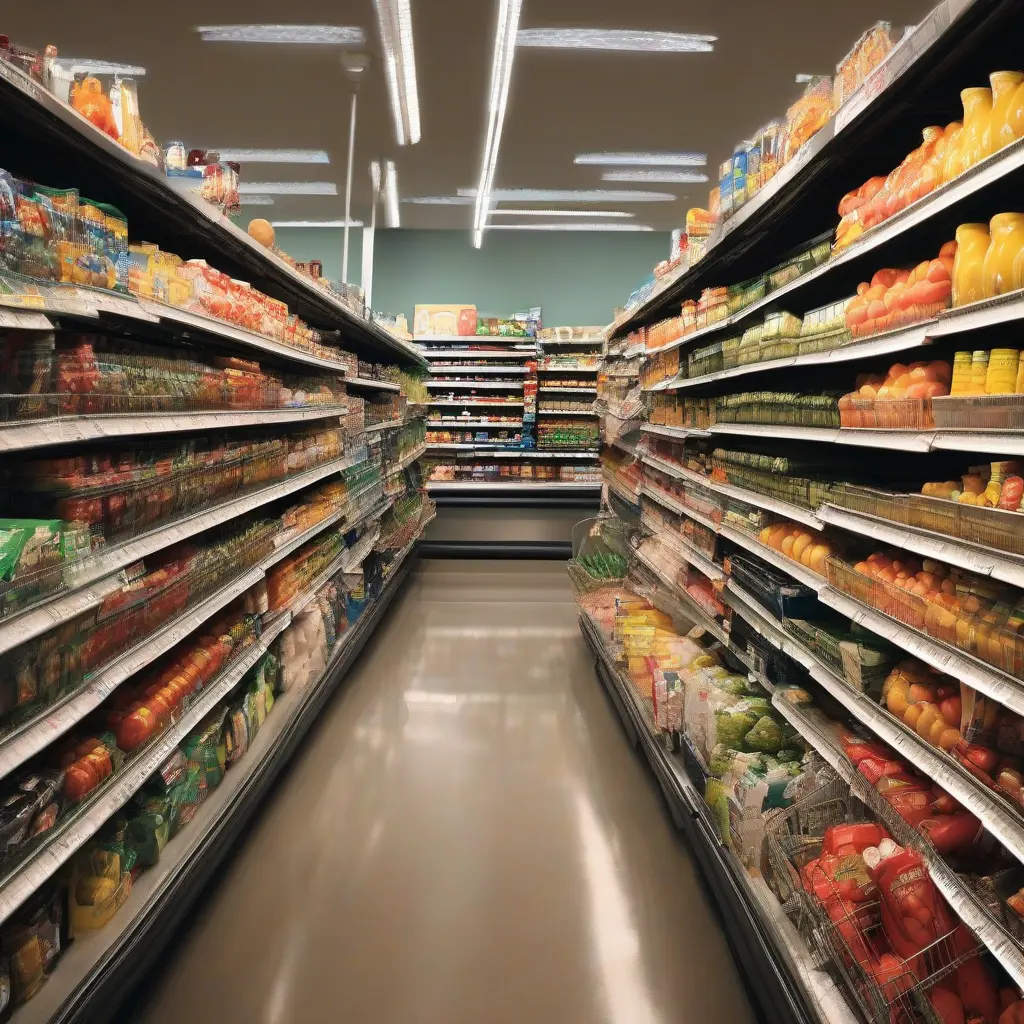
Grocery store layouts are designed strategically to encourage consumer spending. Essentials are often placed at the back, leading shoppers through aisles filled with temptations, which can increase unplanned purchases. By being aware of this tactic, you can plan your shopping route more effectively and avoid distractions that lead to unnecessary spending. Stick to your list and try to maintain focus on your intended purchases to mitigate the impact of strategic store layouts on your grocery bill.
Analyzing Unit Prices
Understanding unit pricing is crucial for spotting hidden costs in your grocery bills. Unit prices reflect the cost per measurable unit, such as ounces or grams, allowing for an accurate comparison between products. While larger packages may seem like a better deal, they might not always be. Familiarize yourself with reading unit prices to ensure you are getting the best value for your money. This knowledge empowers you to make more cost-effective choices during your shopping trips.
The Role of Brand Loyalty
Brand loyalty can create hidden costs that many shoppers overlook. Choosing familiar brands over generic alternatives may seem convenient, but it can significantly increase your total grocery bill. While branded products often come with a premium price tag, generic items can provide similar quality at a fraction of the cost. Consider trying store brands or generic options to identify potential savings. This mindful approach to shopping can help reduce unnecessary expenses while still meeting your grocery needs.
The Influence of Sales and Discounts
Sales and discounts can sometimes lead consumers into making purchases they don’t necessarily need, culminating in hidden costs. While buying items on sale can be advantageous, it’s vital to evaluate whether the items fit within your budget and shopping list. Analyzing sales for genuine savings—rather than taking advantage of every discount—can prevent impulse purchases and help you stay on track financially. By focusing on what you truly need, you can limit spending that doesn’t align with your grocery goals.
Avoiding Impulse Buys
Impulse buys are one of the most significant contributors to hidden costs in grocery shopping. Unexpected purchases, often located near checkout counters, can add up quickly, straining your budget. To curb this tendency, it’s essential to stick to a well-planned shopping list. Setting a budget before you enter the store can also help maintain focus and minimize the likelihood of unplanned purchases. By being disciplined, you can control your spending and avoid the traps that lead to higher grocery bills.
Evaluating Membership Programs
While warehouse clubs or loyalty programs often offer discounts and bulk-buying options, they can lead to hidden costs if not evaluated carefully. Membership fees may outweigh the savings realized from purchasing items in bulk. It’s advisable to calculate whether the savings from such programs genuinely benefit your budget. Additionally, consider whether you will use the bulk items before they expire. An informed assessment can help you avoid unnecessary expenses that might come from a hasty membership decision.
Checking for Expiration Dates
Expired or soon-to-expire items can lead to wasted money and hidden costs. When shopping, always check expiration dates to ensure you’re buying products that you will use before they go bad. This practice not only prevents unnecessary spending but also encourages you to be more mindful of your consumption habits. Keeping track of what you have at home and planning meals accordingly can help to reduce waste and increase savings over time.
Meal Planning to Minimize Waste
Meal planning is an effective strategy for addressing hidden costs within your grocery bill. By organizing your meals ahead of time, you can tailor your grocery list to focus solely on the ingredients necessary, thereby minimizing impulse buys. Additionally, meal planning reduces food waste as you’ll have a clearer idea of what you need and how much to buy. This efficient approach can lead to significant savings and contribute to a more manageable grocery budget.
Utilizing Coupons and Cashback Offers
While coupons and cashback offers can be beneficial, they can also lead to hidden costs if not used judiciously. It’s essential to evaluate whether the products on discount align with your shopping needs. Avoid the trap of buying items simply because they are on sale; always prioritize your grocery list and budget. Strategic coupon usage can enhance savings without inflating your grocery expenditure, allowing you to enjoy discounts smartly.
Conclusion
Identifying and eliminating hidden costs in your grocery bill requires vigilance and strategy. By understanding common pitfalls, analyzing unit prices, and implementing practical shopping strategies, you can significantly improve your budget. With careful planning and awareness, you can enjoy savings and make your grocery shopping more efficient, ultimately leading to a healthier financial lifestyle and reducing unnecessary expenses.